End users are paying for steel price rise
Steel

End users are paying for steel price rise

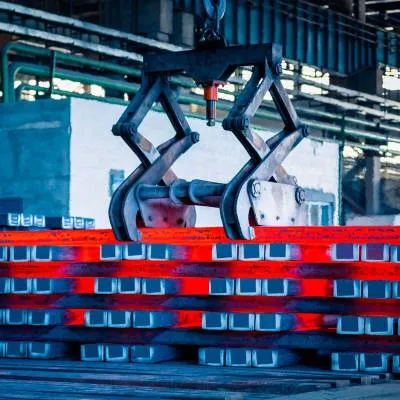
Rising steel prices in the global market are helping domestic companies pass on the incremental cost to end users.

For steel long products, used in construction, prices were cut by about Rs 8,000 a tonne in the first week of February this year but rebounded by Rs 3,000, on the back of buoyant demand.

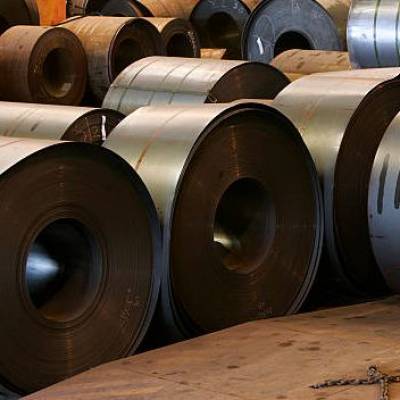
Hot rolled coil prices, which had rallied by 55% since last July to Rs 54,867 a tonne in January, remained stable, awaiting signals from China which resumed its economic activities after its Lunar New Year.

In January, steel prices in China declined due to a drop in demand, while the prices increased sharply in the US and UK due to demand recovery. Hot rolled coil export prices in the global market have surged 74% since last June to average Rs 53,000 a tonne this month.

Access current steel prices here

The CEO of a steel company told media sources that the cost of steel production in India is higher than global companies due to the high costs of funding and creaking infrastructure, opposing duty-free imports. The country turned out to be a net importer of finished steel in January for the first time this fiscal as demand surpassed production by 59,000 tonne. The gradual unlocking of the economy has improved overall economic activities leading to a revival in domestic steel demand.

Steel exports from India grew by 22% in the first 10 months of this fiscal, while imports fell by 37%.

Globally, Iron ore prices spiked to a 10-year high last month to an average of Rs 11,600 a tonne and are up 55% since June last year due to supply constraints.

In India, the National Mineral Development Corporation (NMDC) has cut lumps with 65% iron content to Rs 5,100 a tonne for this month from Rs 5,700 in January, while that of fines has been reduced to Rs 4,210 a tonne from Rs 4,810, excluding taxes and other levies.

Image Source


Also read: Steel price cooldown not seen anytime soon

Also read: CCI starts probing “cartelisation” charges

Rising steel prices in the global market are helping domestic companies pass on the incremental cost to end users. For steel long products, used in construction, prices were cut by about Rs 8,000 a tonne in the first week of February this year but rebounded by Rs 3,000, on the back of buoyant demand. Hot rolled coil prices, which had rallied by 55% since last July to Rs 54,867 a tonne in January, remained stable, awaiting signals from China which resumed its economic activities after its Lunar New Year. In January, steel prices in China declined due to a drop in demand, while the prices increased sharply in the US and UK due to demand recovery. Hot rolled coil export prices in the global market have surged 74% since last June to average Rs 53,000 a tonne this month. Access current steel prices here The CEO of a steel company told media sources that the cost of steel production in India is higher than global companies due to the high costs of funding and creaking infrastructure, opposing duty-free imports. The country turned out to be a net importer of finished steel in January for the first time this fiscal as demand surpassed production by 59,000 tonne. The gradual unlocking of the economy has improved overall economic activities leading to a revival in domestic steel demand. Steel exports from India grew by 22% in the first 10 months of this fiscal, while imports fell by 37%. Globally, Iron ore prices spiked to a 10-year high last month to an average of Rs 11,600 a tonne and are up 55% since June last year due to supply constraints. In India, the National Mineral Development Corporation (NMDC) has cut lumps with 65% iron content to Rs 5,100 a tonne for this month from Rs 5,700 in January, while that of fines has been reduced to Rs 4,210 a tonne from Rs 4,810, excluding taxes and other levies. Image Source Also read: Steel price cooldown not seen anytime soon Also read: CCI starts probing “cartelisation” charges

Next Story
Technology

From Digital Adoption to Intelligent Infrastructure

At Illuminate Mumbai 2026, industry leaders highlighted how AI, digital twins and connected data ecosystems are reshaping infrastructure delivery, enabling greater efficiency, resilience and long-term asset performance. India's infrastructure sector is entering a new phase of digital maturity. While the initial years focused on digitising workflows, the industry is now moving towards deploying intelligent, connected and data-driven systems that can improve project outcomes across the asset lifecycle.This transition was at the centre of discussions at Illuminate Mumbai 2026, organised by Bentle..

Next Story
Infrastructure Urban

Infrastructure Opportunity Outlook by IMPACCT.Info

India’s infrastructure pipeline is witnessing dynamic activity across stages — from immediate bidding to future planning. IMPACCT segments these into three categories: Immediate, 3–6 Month, and Future Opportunities, enabling businesses to identify, prepare, and participate in high-value tenders and projects across sectors.To read the full article Click Here..

Next Story
Infrastructure Transport

The Road Ahead Begins Here

The future of India’s roads took centrestage at RAHSTA Expo 2026, where policymakers, contractors and industry leaders came together under one roof. The event blended thought leadership, technology showcase and industry recognition into a single powerful platform.India’s roads and highways community gathered in full strength at the Jio World Convention Centre, Mumbai, on July 8-9, 2026, for the 16th edition of the RAHSTA Expo (Roads and Highways Sustainable Technologies & Advancement). Over two action-packed days, the event brought together policymakers, contractors, consultants, devel..

Advertisement

Subscribe to Our Newsletter

Get daily newsletters around different themes from Construction world.

STAY CONNECTED

Advertisement

Advertisement

Advertisement