Increase use of scrap in production: Minister Kulaste to steel makers
Steel

Increase use of scrap in production: Minister Kulaste to steel makers

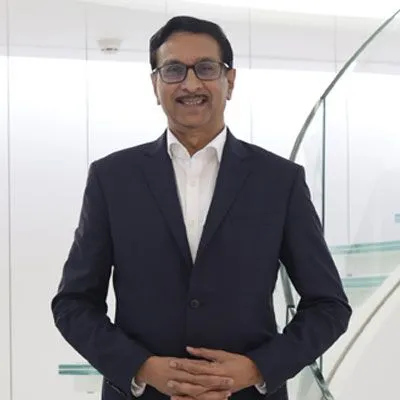
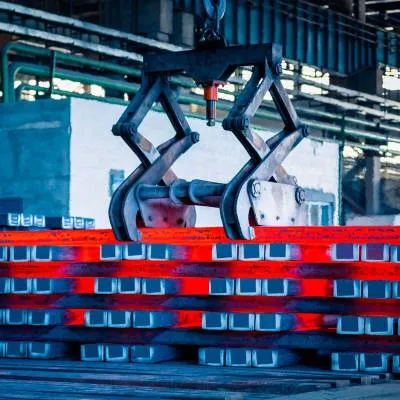
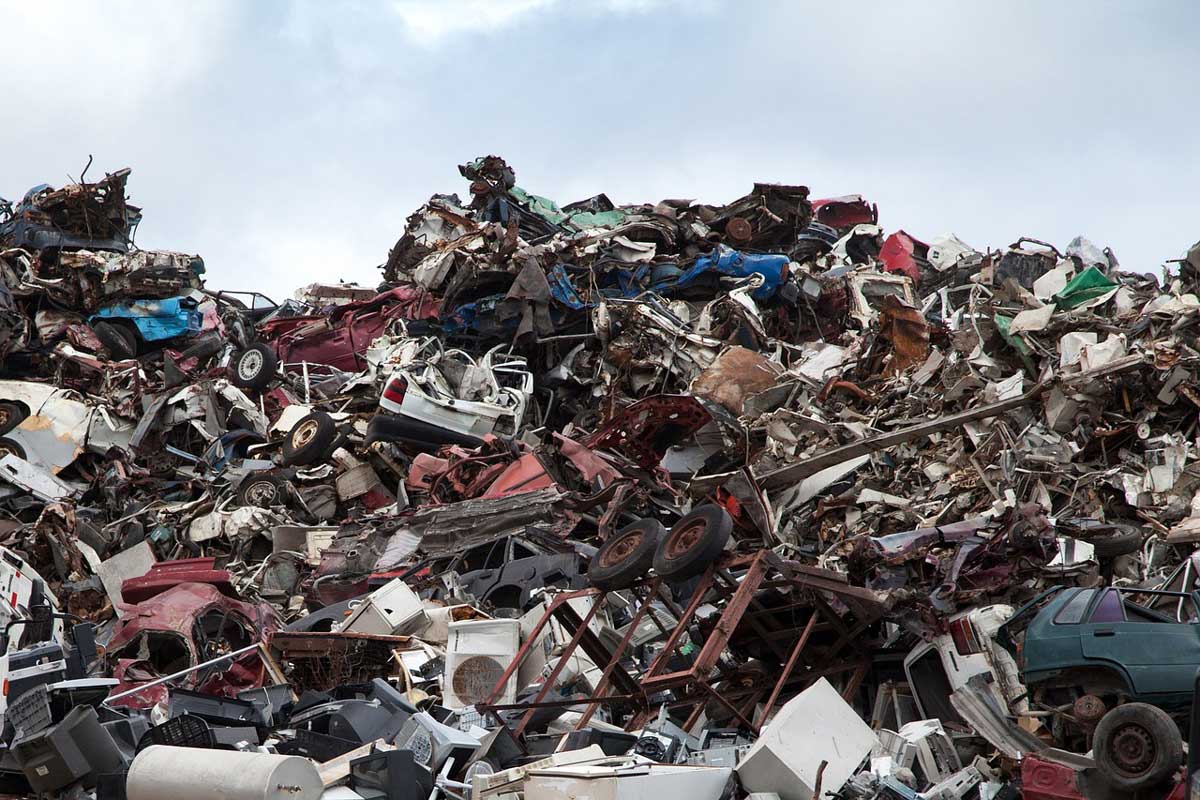
Union Minister Faggan Singh Kulaste has instructed the domestic steel sector to expand the use of scrap in their manufacturing, emphasising the importance of carbon emissions. India consumes 30 MT scrap per year to create steel, with 26 MT generated domestically and the remainder imported. India's total steel production is currently around 120 MT.

Carbon emissions are a source of concern. The steel industry must enhance its utilisation of scrap in steel manufacturing. He stated this during the CII Steel Summit 2022. The steel industry must also employ cutting-edge technologies to reduce carbon emissions, according to the Minister of State for Steel. He did not, however, address the amount of scrap that steel manufacturers must include in their production.

According to a government document, the iron and steel industry accounts for around 8% of total carbon dioxide (CO2) emissions on a yearly basis, while it accounts for 12% of all CO2 emissions in India.

The steel ministry has also requested the sector's stakeholders to create a time-bound action plan to reduce emissions in the steel industry. "100% scrap utilising an electric arc furnace/induction furnace (EAF/IF) emits 0.4 to 0.8 tonne of CO2 per tonne of crude steel," said Parth Kumar of the Centre for Science and Environment (CSE). According to him, the production of one tonne of crude steel emits 2.5 tonnes of CO2.

Also Read
Maharashtra to construct Alibaug-Virar Multimodal Corridor project
Vensar gets LoA from WCL for Valni coal mine rehab

Union Minister Faggan Singh Kulaste has instructed the domestic steel sector to expand the use of scrap in their manufacturing, emphasising the importance of carbon emissions. India consumes 30 MT scrap per year to create steel, with 26 MT generated domestically and the remainder imported. India's total steel production is currently around 120 MT. Carbon emissions are a source of concern. The steel industry must enhance its utilisation of scrap in steel manufacturing. He stated this during the CII Steel Summit 2022. The steel industry must also employ cutting-edge technologies to reduce carbon emissions, according to the Minister of State for Steel. He did not, however, address the amount of scrap that steel manufacturers must include in their production. According to a government document, the iron and steel industry accounts for around 8% of total carbon dioxide (CO2) emissions on a yearly basis, while it accounts for 12% of all CO2 emissions in India. The steel ministry has also requested the sector's stakeholders to create a time-bound action plan to reduce emissions in the steel industry. 100% scrap utilising an electric arc furnace/induction furnace (EAF/IF) emits 0.4 to 0.8 tonne of CO2 per tonne of crude steel, said Parth Kumar of the Centre for Science and Environment (CSE). According to him, the production of one tonne of crude steel emits 2.5 tonnes of CO2. Also Read Maharashtra to construct Alibaug-Virar Multimodal Corridor project Vensar gets LoA from WCL for Valni coal mine rehab

Next Story
Infrastructure Urban

India Expands Semiconductor Training To 500 Institutions

Under the Chips to Startups programme of the India Semiconductor Mission, the Union minister responsible for Railways, Information and Broadcasting, and Electronics and IT reported notable progress in talent development. He indicated that over the past four years substantial steps have been taken towards a 10-year target of training 85,000 engineers in semiconductor design. World-class EDA tools have been deployed in 315 academic institutions across the country to provide students with practical exposure to chip design. These EDA tools are supported by leading global firms and are accessible t..

Next Story
Infrastructure Urban

Delhi Institutions Support India Semiconductor Mission

The Government of India has prioritised talent development through training, upskilling and workforce development under the Chips to Startups initiative of the India Semiconductor Mission, with officials noting progress in four years towards a 10-year target of training 85,000 engineers in semiconductor design. Electronic design automation tools provided by Synopsys, Cadence, Siemens, Renesas, Ansys and AMD have been deployed in 315 academic institutions, enabling students to gain practical chip design experience. Chips have been fabricated and tested at the Semiconductor Laboratory, Mohali, a..

Next Story
Infrastructure Urban

NHA Announces Winners Of NHCX Hackathon At IIT Hyderabad

The National Health Authority (NHA) has concluded the NHCX Hackathon under the Ayushman Bharat Digital Mission (ABDM) to stimulate innovation around the National Health Claims Exchange (NHCX). The winning teams presented their solutions at the NHCX Innovation Meet held at IIT Hyderabad during a two-day event in March 2026 that also served as the hackathon grand finale. The hackathon itself ran from 22 to 28 February 2026 and aimed to accelerate paperless, transparent claims processing across India. The event was organised with a range of ecosystem partners, including the Insurance Regulatory a..

Advertisement

Subscribe to Our Newsletter

Get daily newsletters around different themes from Construction world.

STAY CONNECTED

Advertisement

Advertisement

Advertisement