
India prepares PLI phase 2 for steel sector growth
Steel

India prepares PLI phase 2 for steel sector growth

The Indian government is actively developing a follow-up to the performance-linked incentive (PLI) program aimed at the steel sector, with a primary emphasis on import substitution. Nagendra Nath Sinha, the steel secretary, revealed that the steel ministry is poised to introduce "PLI-2," which will address the specific requirements of sectors like the Indian Railways. 

During the initial phase of the PLI scheme, companies committed to investing ₹2.953 billion, resulting in a downstream capacity increase of 24.78 million tonnes. The government has allocated ₹6.32 billion for providing incentives to the steel industry through the PLI initiative.

Anticipating visible results from 2026, Sinha responded to queries about the demand for steel products by the Indian Railways and the necessity for imports to fulfil these needs. To cater to the railway's special grade requirements, agreements have been inked by the Steel Authority of India Ltd (SAIL) for asymmetric and hardened rails.

SAIL, a state-run enterprise, currently fulfils the entire demand for R-260 grade steel rails of the national transporter. Furthermore, the introduction of a new head-hardened rail grade, R-350/1175, is projected for 2023, enhancing train speed. Despite its crucial role in infrastructure development, the domestic steel sector encounters rail rake shortages during peak power demand months due to coal transportation.

In response, the steel secretary outlined new initiatives aimed at improving freight traffic and addressing the steel sector's needs. Over 2,000 wagons are being introduced monthly to enhance wagon availability. Additionally, newer steel grades for containers, authorized by the Bureau of Indian Standards, have been embraced by leading steel producers such as SAIL, Tata Steel, and JSW Steel.

The PLI-2 initiative aligns with India's strategic intent to bolster domestic manufacturing, reduce imports, and advance self-reliance in critical sectors.

The Indian government is actively developing a follow-up to the performance-linked incentive (PLI) program aimed at the steel sector, with a primary emphasis on import substitution. Nagendra Nath Sinha, the steel secretary, revealed that the steel ministry is poised to introduce PLI-2, which will address the specific requirements of sectors like the Indian Railways. During the initial phase of the PLI scheme, companies committed to investing ₹2.953 billion, resulting in a downstream capacity increase of 24.78 million tonnes. The government has allocated ₹6.32 billion for providing incentives to the steel industry through the PLI initiative.Anticipating visible results from 2026, Sinha responded to queries about the demand for steel products by the Indian Railways and the necessity for imports to fulfil these needs. To cater to the railway's special grade requirements, agreements have been inked by the Steel Authority of India Ltd (SAIL) for asymmetric and hardened rails.SAIL, a state-run enterprise, currently fulfils the entire demand for R-260 grade steel rails of the national transporter. Furthermore, the introduction of a new head-hardened rail grade, R-350/1175, is projected for 2023, enhancing train speed. Despite its crucial role in infrastructure development, the domestic steel sector encounters rail rake shortages during peak power demand months due to coal transportation.In response, the steel secretary outlined new initiatives aimed at improving freight traffic and addressing the steel sector's needs. Over 2,000 wagons are being introduced monthly to enhance wagon availability. Additionally, newer steel grades for containers, authorized by the Bureau of Indian Standards, have been embraced by leading steel producers such as SAIL, Tata Steel, and JSW Steel.The PLI-2 initiative aligns with India's strategic intent to bolster domestic manufacturing, reduce imports, and advance self-reliance in critical sectors.

Related Stories

Gold Stories

Next Story
Resources

Schindler named among Forbes’ World’s Best Employers 2026

Schindler has been named among Forbes’ World’s Best Employers 2026, a global ranking recognising companies for their workplace environments.Compiled by Forbes in partnership with Statista, the ranking is based on independent employee feedback, including whether employees would recommend their organisation to friends and family.The company said the recognition reflected its focus on creating a workplace where employees can develop their expertise and build careers. ..
Next Story
Infrastructure Urban

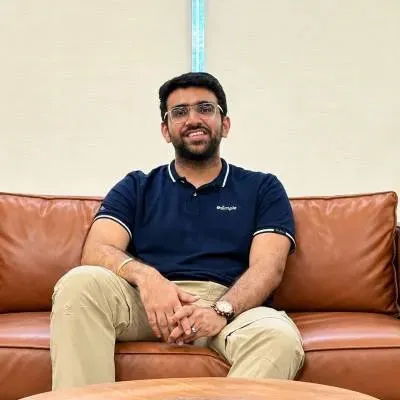
India needs an export-execution mindset: Vishesh Jain

Interview with Vishesh Jain, Founder & CEO, EximpleWhat gaps in India’s global trade ecosystem led you to build Eximple, and what problem did you see businesses struggling with most?Eximple came out of a problem that all three founders had seen from different choke points in the trade ecosystem. India has millions of MSMEs and manufacturers, and many of them can make products that are genuinely competitive on quality. Yet only a small fraction is able to build meaningful international businesses. In our experience, the gap is usually not manufacturing capability; it is the ability to exe..

Next Story
Building Material

Nuvoco reports 13.5% revenue growth in Q2 FY27

Nuvoco Vistas Corp. Ltd. reported consolidated revenue of Rs 27.9 billion for Q2 FY27, up 13.5% year on year. Cement sales volume rose 9% to 4.7 million tonnes (MMT), while EBITDA increased 11% to Rs 4.11 billion.The company said it began its cement operations in 2014 with a 2.3 MMT per annum (MMTPA) operation at Nimbol. It now aims to reach 35 MMTPA of cement capacity by FY28, nearly 15 times its initial capacity. Its portfolio spans cement, ready-mix concrete and modern building materials.On sustainability and cost efficiency, Nuvoco partnered with CleanMax for a 46.4 MW wind-solar hybrid re..

Advertisement

Subscribe to Our Newsletter

Get daily newsletters around different themes from Construction world.

STAY CONNECTED

Advertisement

SPECIAL OFFER
QR Code