



SAIL achieves record Q1 performance in production and sales
Steel

SAIL achieves record Q1 performance in production and sales

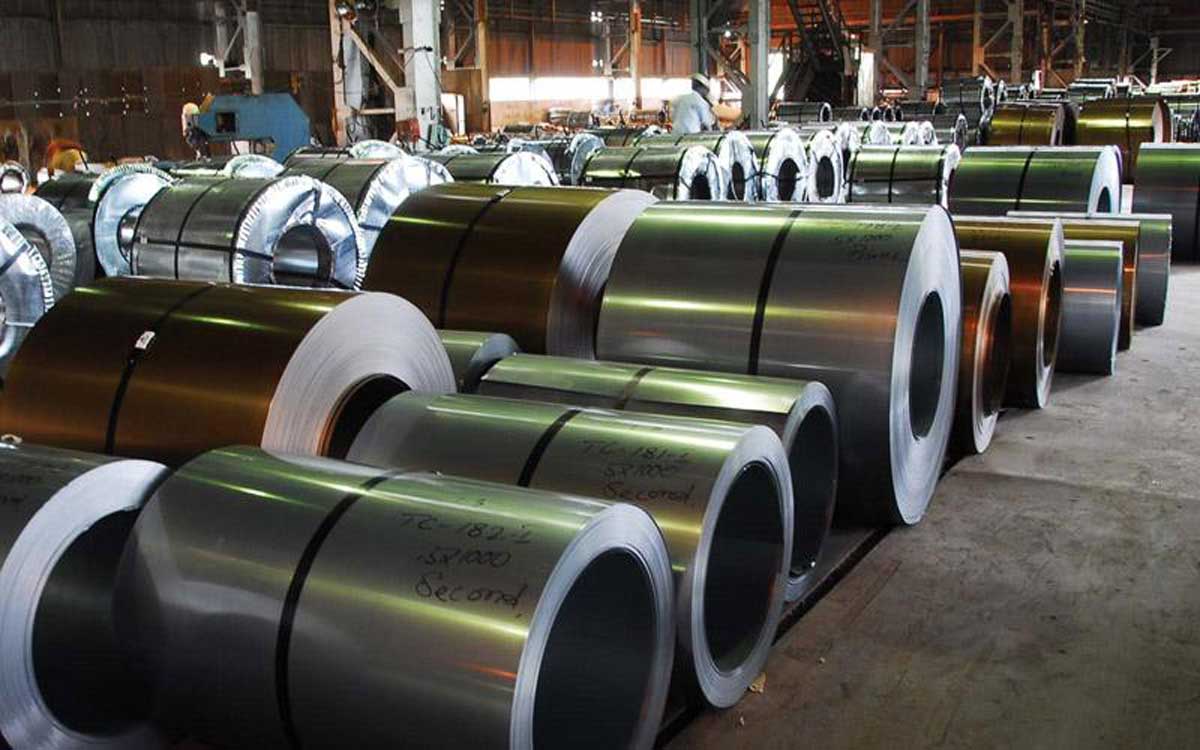
It was reported that Steel Authority of India (SAIL) had achieved a remarkable performance in the first quarter of the financial year 2023-24 (Q1 FY24) in terms of production and sales. It was stated that the production of hot metal, crude steel, and saleable steel amounted to 5.037 million tonne (MT), 4.667 MT, and 4.405 MT, respectively, which were the best results ever recorded for a first quarter. It was further mentioned that these figures represented a significant growth of 7%, 8%, and 8% respectively compared to the previous best.

It was also noted that SAIL had achieved its highest-ever sales performance in the first quarter, with a sales volume of 3.9 MT, marking a growth of approximately 24% over the corresponding previous year. It was highlighted that SAIL's exceptional performance was attributed to its continuous focus on maximising capacity utilization and meeting customer demands.

Also read:
KEC bags new orders worth Rs 1,042 cr
15km pod taxi corridor in Noida up for grabs

It was reported that Steel Authority of India (SAIL) had achieved a remarkable performance in the first quarter of the financial year 2023-24 (Q1 FY24) in terms of production and sales. It was stated that the production of hot metal, crude steel, and saleable steel amounted to 5.037 million tonne (MT), 4.667 MT, and 4.405 MT, respectively, which were the best results ever recorded for a first quarter. It was further mentioned that these figures represented a significant growth of 7%, 8%, and 8% respectively compared to the previous best. It was also noted that SAIL had achieved its highest-ever sales performance in the first quarter, with a sales volume of 3.9 MT, marking a growth of approximately 24% over the corresponding previous year. It was highlighted that SAIL's exceptional performance was attributed to its continuous focus on maximising capacity utilization and meeting customer demands. Also read: KEC bags new orders worth Rs 1,042 cr15km pod taxi corridor in Noida up for grabs

Next Story
Infrastructure Transport

Vizhinjam Port to launch Phase 2 expansion from mid-January

The second phase of expansion at Vizhinjam International Port is set to begin in the second week of January, marking a major milestone in the port’s rapid scale-up as a global transshipment hub. Kerala Ports Minister V N Vasavan announced the development following a review meeting, adding that the exact start date will be finalised after consultations with Chief Minister Pinarayi Vijayan and the Adani Group.Preparatory work for the upcoming construction phases has already been completed. The expansion is part of a Rs 10,000-crore investment by Adani Ports and Special Economic Zone Ltd. (APSE..

Next Story
Infrastructure Transport

MoPSW Secretary inaugurates Rs 1.93 bn projects at Kandla Port

Vijay Kumar, Secretary, Ministry of Ports, Shipping and Waterways (MoPSW), inaugurated and laid the foundation stone for multiple developmental projects worth Rs 1.93 billion at Deendayal Port Authority (DPA), Kandla, marking a significant step towards strengthening port infrastructure and operational efficiency.During his visit, Sushil Kumar Singh, IRSME, Chairman, Deendayal Port Authority, briefed the Secretary on the port’s strong operational performance, recent achievements, and ongoing as well as upcoming initiatives focused on enhancing capacity, efficiency and sustainability. Vijay Ku..

Next Story
Infrastructure Energy

PNGRB Rolls out unified natural gas tariff from January 2026

The Petroleum and Natural Gas Regulatory Board (PNGRB) has notified a new unified tariff structure for natural gas transportation, marking a major consumer-focused reform aimed at boosting the adoption of cleaner fuels across India. The revised framework will come into effect from January 1, 2026, and is expected to significantly lower transportation costs for Compressed Natural Gas (CNG) and Piped Natural Gas (PNG) consumers.Under the new regime, PNGRB has rationalised the existing tariff structure by reducing the number of tariff zones from three to two—up to 300 km and beyond 300 km. In a..

Advertisement

Subscribe to Our Newsletter

Get daily newsletters around different themes from Construction world.

STAY CONNECTED

Advertisement

Advertisement

Advertisement

Advertisement

Open In App