AirAsia owner Capital A 'very bullish' on Indian market
AVIATION & AIRPORTS

AirAsia owner Capital A 'very bullish' on Indian market

Capital A, the Kuala Lumpur-based company that owns AirAsia, is actively looking to bolster its presence in the Indian market and attract more tourists to the country, as stated by the company's Chief Executive Officer, Tony Fernandes, on Monday. Despite selling its Indian airline subsidiary to the Tata Group last year, Capital A remains optimistic about India's potential and is eager to collaborate with the conglomerate to further develop opportunities in the region.

Speaking on the sidelines of the 21st Forbes Global CEO Conference, Tony Fernandes expressed the company's bullish outlook on the Indian market, stating, "We are working with the Tata Group and hope to do a lot of work with the conglomerate." This strategic partnership aims to leverage the strengths of both organizations to enhance the aviation and tourism landscape in India.

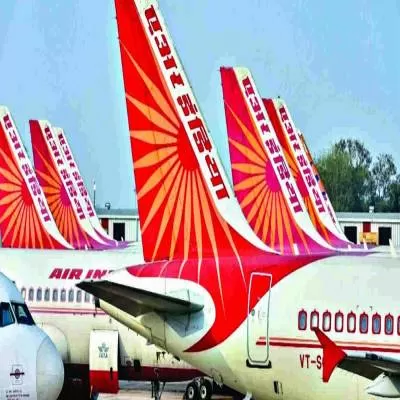
Last year, Tata Group-owned Air India initiated agreements to acquire a 100% stake in AirAsia India, marking a significant development in India's aviation industry. The merger process also includes the integration of Air India Express, ultimately forming a unified Indian low-cost carrier. The anticipated completion of this merger is set for the end of 2023, following a 12-month consolidation period.

Tony Fernandes highlighted AirAsia's role in facilitating travel to and from India, emphasizing their mission to bring tourists into the country and enable Indian tourists to explore international destinations. AirAsia boasts approximately 15 landing points in India, with the latest addition being Amritsar, connected to the Malaysian capital city.

In line with their commitment to expanding their footprint in India, Fernandes expressed a desire to establish additional connections with secondary and tertiary airports, in addition to terminals T2 and T3. He emphasized AirAsia's commitment to providing enhanced connectivity within India, coinciding with the country's ongoing efforts to develop more airports.

India's burgeoning tourism industry and its expanding aviation infrastructure present significant opportunities for companies like Capital A and the Tata Group to play pivotal roles in driving economic growth and facilitating travel in the region.

Capital A, the Kuala Lumpur-based company that owns AirAsia, is actively looking to bolster its presence in the Indian market and attract more tourists to the country, as stated by the company's Chief Executive Officer, Tony Fernandes, on Monday. Despite selling its Indian airline subsidiary to the Tata Group last year, Capital A remains optimistic about India's potential and is eager to collaborate with the conglomerate to further develop opportunities in the region. Speaking on the sidelines of the 21st Forbes Global CEO Conference, Tony Fernandes expressed the company's bullish outlook on the Indian market, stating, We are working with the Tata Group and hope to do a lot of work with the conglomerate. This strategic partnership aims to leverage the strengths of both organizations to enhance the aviation and tourism landscape in India. Last year, Tata Group-owned Air India initiated agreements to acquire a 100% stake in AirAsia India, marking a significant development in India's aviation industry. The merger process also includes the integration of Air India Express, ultimately forming a unified Indian low-cost carrier. The anticipated completion of this merger is set for the end of 2023, following a 12-month consolidation period. Tony Fernandes highlighted AirAsia's role in facilitating travel to and from India, emphasizing their mission to bring tourists into the country and enable Indian tourists to explore international destinations. AirAsia boasts approximately 15 landing points in India, with the latest addition being Amritsar, connected to the Malaysian capital city. In line with their commitment to expanding their footprint in India, Fernandes expressed a desire to establish additional connections with secondary and tertiary airports, in addition to terminals T2 and T3. He emphasized AirAsia's commitment to providing enhanced connectivity within India, coinciding with the country's ongoing efforts to develop more airports. India's burgeoning tourism industry and its expanding aviation infrastructure present significant opportunities for companies like Capital A and the Tata Group to play pivotal roles in driving economic growth and facilitating travel in the region.

Next Story
Infrastructure Urban

Mount Invests Rs 250 Cr, Adds PUF & PEB Plants, 400+ Jobs

TUMKUR, Karnataka, January 8, 2025 - Mount Roofing & Structures Private Limited, one of India's  fastest-growing manufacturers in PUF and a leading solutions provider across Pre-Engineered Building  (PEB) and Polycarbonate sheets, simultaneously inaugurated its second fully automated continuous  Sandwich Panel manufacturing line and a new PEB manufacturing plant at its integrated campus in  Tumkur." The milestone expansion, part of a total investment of INR 250 crores, marks a significant  advancement in the company's commitment to engineered performance, manu..

Next Story
Infrastructure Urban

Titan Intech Strengthens UltraLED Push With Global LED Veteran

Titan Intech has announced the induction of global LED industry veteran Su Piow Ko to its Board of Directors, marking a strategic step in strengthening its UltraLED Displays roadmap and building globally competitive LED display solutions from India.The appointment aligns with Titan Intech’s ambition to position India as a hub for advanced, high-quality LED display manufacturing. With an increased focus on UltraLED Displays, the company aims to enhance technical governance, raise manufacturing standards and expand its presence across global markets.Su Piow Ko brings over three decades of inte..

Next Story
Infrastructure Urban

Dun & Bradstreet Flags New Growth Engines in India 2026 Outlook

Dun & Bradstreet has released its India 2026: D&B’s Perspective report, projecting a stable macroeconomic environment underpinned by fresh opportunities for productivity-led and inclusive growth. The report outlines how India’s next growth phase will be driven by digitised logistics, trusted data ecosystems, clean energy and rising city vitality.According to the outlook, India’s GDP growth is expected to reach around 6.6 per cent by FY2027, supported by resilient consumer demand and sustained public investment. Manufacturing is seen entering a new phase, moving beyond scale towar..

Advertisement

Subscribe to Our Newsletter

Get daily newsletters around different themes from Construction world.

STAY CONNECTED

Advertisement

Advertisement

Advertisement

Advertisement

Open In App