+
Cabinet Approves Rs 16,770 mn Expansion of Srinagar Airport
AVIATION & AIRPORTS

Cabinet Approves Rs 16,770 mn Expansion of Srinagar Airport

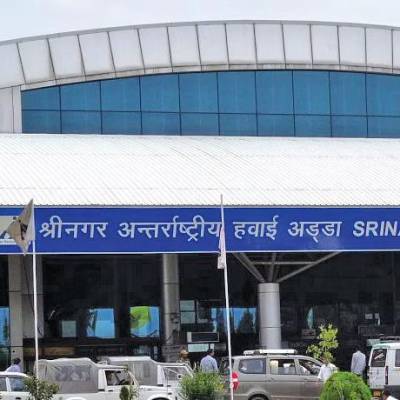
The Minister for Civil Aviation welcomed the Cabinet Committee on Economic Affairs approval for a Rs 16,770 mn expansion of the Civil Enclave at Srinagar International Airport, to be implemented by the Airports Authority of India. The decision was described as a historic milestone in strengthening aviation infrastructure and accelerating inclusive development in Jammu and Kashmir.

Srinagar International Airport handled four point four seven mn passengers in fiscal year 2024–25, recorded nearly 28,500 aircraft movements and processed around 10,000 t of cargo, with seasonal peaks in the summer months stretching the existing terminal capacity. Those figures were cited as evidence of the urgent need for expansion.

The approved project will raise annual passenger handling capacity fourfold from two point five mn to 10 mn and will increase peak hour handling from 950 to 2,900 passengers, significantly easing congestion and enhancing passenger convenience. The apron will be expanded to accommodate 15 aircraft, including wide?body types, enabling enhanced domestic and international connectivity and positioning Srinagar as a key aviation gateway for northern India.

Tourism presently contributes around seven per cent to Jammu and Kashmir’s Gross State Domestic Product and is projected to rise to between 10 and 12 per cent over the coming years. The Union Territory receives about 17 mn visitors annually and this figure is expected to increase to between 27 mn and 30 mn by 2030 under moderate growth scenarios, supporting substantial direct and indirect employment across airport operations, airlines, hospitality, tourism, logistics and allied sectors.

The expansion is expected to facilitate exports of regional high?value products such as apples, saffron, handicrafts, hand?knotted carpets, dry fruits and horticultural produce while the new terminal will reflect Kashmiri cultural heritage and incorporate state?of?the?art technology and sustainable design features, including energy?efficient systems, optimal natural lighting and water conservation measures targeting a high GRIHA sustainability rating. The Minister stated that after reviewing the works last year the government aims to develop a modern terminal within two years and that the project reaffirms the Government of India’s commitment to regional integration and economic prosperity.

The Minister for Civil Aviation welcomed the Cabinet Committee on Economic Affairs approval for a Rs 16,770 mn expansion of the Civil Enclave at Srinagar International Airport, to be implemented by the Airports Authority of India. The decision was described as a historic milestone in strengthening aviation infrastructure and accelerating inclusive development in Jammu and Kashmir. Srinagar International Airport handled four point four seven mn passengers in fiscal year 2024–25, recorded nearly 28,500 aircraft movements and processed around 10,000 t of cargo, with seasonal peaks in the summer months stretching the existing terminal capacity. Those figures were cited as evidence of the urgent need for expansion. The approved project will raise annual passenger handling capacity fourfold from two point five mn to 10 mn and will increase peak hour handling from 950 to 2,900 passengers, significantly easing congestion and enhancing passenger convenience. The apron will be expanded to accommodate 15 aircraft, including wide?body types, enabling enhanced domestic and international connectivity and positioning Srinagar as a key aviation gateway for northern India. Tourism presently contributes around seven per cent to Jammu and Kashmir’s Gross State Domestic Product and is projected to rise to between 10 and 12 per cent over the coming years. The Union Territory receives about 17 mn visitors annually and this figure is expected to increase to between 27 mn and 30 mn by 2030 under moderate growth scenarios, supporting substantial direct and indirect employment across airport operations, airlines, hospitality, tourism, logistics and allied sectors. The expansion is expected to facilitate exports of regional high?value products such as apples, saffron, handicrafts, hand?knotted carpets, dry fruits and horticultural produce while the new terminal will reflect Kashmiri cultural heritage and incorporate state?of?the?art technology and sustainable design features, including energy?efficient systems, optimal natural lighting and water conservation measures targeting a high GRIHA sustainability rating. The Minister stated that after reviewing the works last year the government aims to develop a modern terminal within two years and that the project reaffirms the Government of India’s commitment to regional integration and economic prosperity.

Next Story
Infrastructure Urban

Implementation Status of Jal Jeevan Mission

Since August 2019 the Government has implemented Jal Jeevan Mission to provide assured potable water through household tap connections in rural India. At the start of the mission only 32.3 million (mn) rural households, representing 16.7 per cent, were reported to have tap water connections. States and union territories have reported that 125.8 mn additional rural households have since been provided with tap connections. As a result, of about 193.6 mn rural households roughly 158.2 mn, or 81.71 per cent, are reported to have tap water supply at home.\n\nThe State, district and village level st..

Next Story
Infrastructure Urban

Jal Jeevan Mission Reaches Eighty One Per Cent Rural Coverage

The Government reported substantial progress under the Jal Jeevan Mission, launched in August 2019 to provide tap water to every rural household. At launch only 32.3 million (mn) rural households had tap connections and states and Union territories reported provision of 125.8 mn additional households by March 2026. Consequently, out of about 193.6 mn rural households around 158.2 mn, or 81.71 per cent, are reported to have tap water at home. The Finance Minister announced extension of the mission until 2028 in the 2025-26 budget speech. The Swachh Bharat Mission Grameen, launched in October 20..

Next Story
Infrastructure Urban

Empowering Local Governance for Sustainable Rural Water Supply

The Ministry of Jal Shakti has aligned the Jal Jeevan Mission (JJM) with the 73rd Amendment to strengthen village level planning and community ownership of water supply. Gram Panchayats, village water and sanitation committees and Pani Samitis are to plan, implement, manage and maintain piped water systems, with gram sabha processes formalising handover and oversight. Implementation support agencies including non government organisations, community based organisations and self help groups have been empanelled to train local committees and promote women participation. Under JJM, the department ..

Advertisement

Subscribe to Our Newsletter

Get daily newsletters around different themes from Construction world.

STAY CONNECTED

Advertisement

Advertisement

Advertisement