



+
Navi Mumbai Airport Launches DigiYatra Facility
AVIATION & AIRPORTS

Navi Mumbai Airport Launches DigiYatra Facility

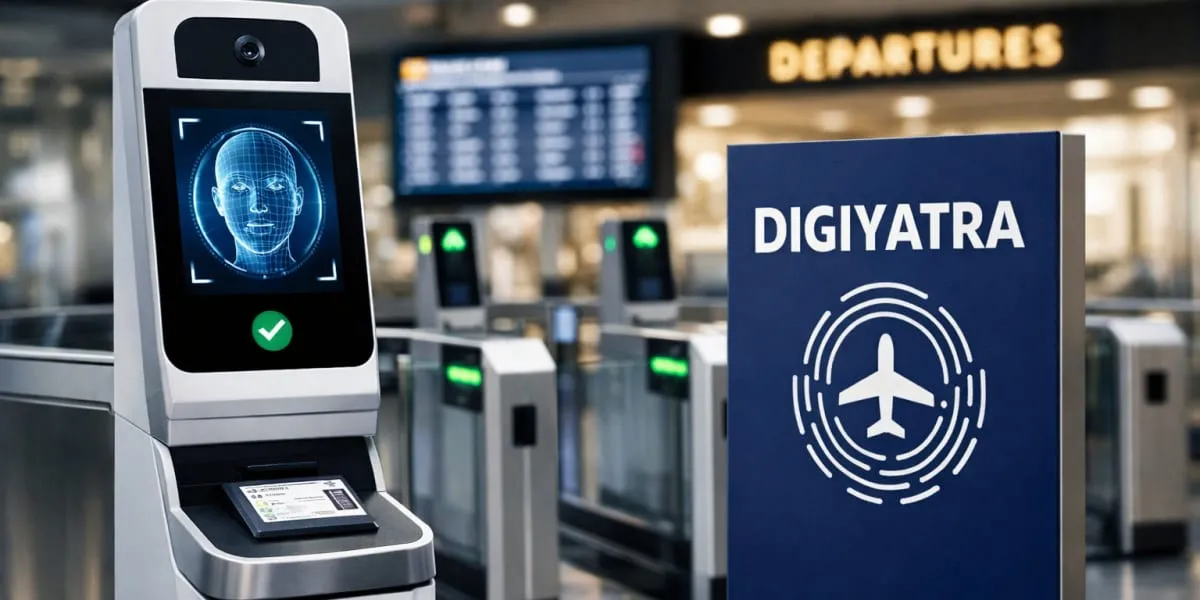
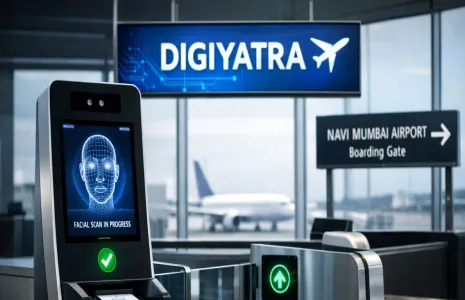
The Navi Mumbai airport has launched the DigiYatra facility to provide a smoother and faster experience for air travellers. The new system is intended to reduce queues and minimise contact points by streamlining identity verification and access control. Airport authorities described the facility as part of an ongoing effort to modernise passenger processing across terminals. The initiative aligns with national moves towards biometric and contactless solutions at major airports.

The DigiYatra facility uses biometric authentication to verify enrolled passengers and to accelerate entry procedures, while maintaining checks for security and compliance. Travellers who opt into the service are expected to experience shorter processing times and fewer manual document checks. The system is designed to integrate with existing airport infrastructure and with airline processes to create a more seamless flow. Operational staff will continue to manage exceptions and support passengers who require assistance.

Airport operators anticipate operational efficiencies as passenger throughput becomes more predictable and resource deployment can be optimised. The facility is likely to influence check in and security processes by reducing repetitive identity confirmations and by enabling faster gate access for registered travellers. Stakeholders, including airlines and ground handlers, are expected to coordinate on process adjustments and training to accommodate the new workflow. The change is framed as an incremental step in broader efforts to enhance passenger convenience and airport competitiveness.

Officials say data protection and privacy considerations will guide enrolment and system use, with measures to govern storage, consent and authorised access. The launch at Navi Mumbai is anticipated to contribute to a gradual shift towards digital identity solutions across the aviation sector, with room for further refinement based on user feedback and operational learning. Passengers are advised to seek information from official airport channels before enrolment and to follow guidance provided by carriers and terminal staff. The rollout represents a move towards technology driven convenience while preserving necessary oversight.

The Navi Mumbai airport has launched the DigiYatra facility to provide a smoother and faster experience for air travellers. The new system is intended to reduce queues and minimise contact points by streamlining identity verification and access control. Airport authorities described the facility as part of an ongoing effort to modernise passenger processing across terminals. The initiative aligns with national moves towards biometric and contactless solutions at major airports. The DigiYatra facility uses biometric authentication to verify enrolled passengers and to accelerate entry procedures, while maintaining checks for security and compliance. Travellers who opt into the service are expected to experience shorter processing times and fewer manual document checks. The system is designed to integrate with existing airport infrastructure and with airline processes to create a more seamless flow. Operational staff will continue to manage exceptions and support passengers who require assistance. Airport operators anticipate operational efficiencies as passenger throughput becomes more predictable and resource deployment can be optimised. The facility is likely to influence check in and security processes by reducing repetitive identity confirmations and by enabling faster gate access for registered travellers. Stakeholders, including airlines and ground handlers, are expected to coordinate on process adjustments and training to accommodate the new workflow. The change is framed as an incremental step in broader efforts to enhance passenger convenience and airport competitiveness. Officials say data protection and privacy considerations will guide enrolment and system use, with measures to govern storage, consent and authorised access. The launch at Navi Mumbai is anticipated to contribute to a gradual shift towards digital identity solutions across the aviation sector, with room for further refinement based on user feedback and operational learning. Passengers are advised to seek information from official airport channels before enrolment and to follow guidance provided by carriers and terminal staff. The rollout represents a move towards technology driven convenience while preserving necessary oversight.

Next Story
Infrastructure Urban

We’ve cut 50,000 tonnes of carbon emmissions since 2019

MatchLog is challenging a decades-old logistics norm and empty container miles by directly matching import flows with export demand. Indeed, the platform is unlocking measurable cost savings, cutting emissions and driving structural change in landside operations. Dhruv Taneja, Founder and Global CEO, outlines the quantified impact, adoption  journey and the evolving future of container reuse in an exclusive interview with Construction World. MatchLog has partnered with carriers such as Maersk, ONE and HMM in India. Could you share quantified outcomes from one specific corri..

Next Story
Infrastructure Transport

Airports: Capacity is Key

A lotus-inspired terminal design in Navi Mumbai International Airport. A terminal in a garden in Bengaluru’s Kempegowda International Airport. A peacock-inspired canopy in Chhatrapati Shivaji Maharaj International Airport. A nature-inspired terminal in Guwahati’s Lokpriya Gopinath Bordoloi International Airport.Truly, “India’s airports are no longer constrained by architectural ambition,” avers Ravikanth Mididhodi, Chief Technical Officer, J&F, a German-based engineering firm with over 25 years of global legacy in delivering advanced engineering and BIM services for air..

Next Story
Real Estate

In 2025, Amaravati attracted ₹ 28,075 crore in investments

In an exclusive interview with Construction World, Kanna Babu, IAS, Commissioner, Andhra Pradesh Capital Region Development Authority (APCRDA), reveals how Amaravati is entering a decisive new phase of capital city development. With 36 MoUs worth ₹ 45,589 crore, a ₹ 58,000 crore tender pipeline, and rising institutional investments, he explains the strategic execution, infrastructure rollout, and governance framework driving Amaravati’s emergence as a structured, investment-ready, and future-focused capital.APCRDA has recently secured major financial tie-ups, including loans from NA..

Advertisement

Subscribe to Our Newsletter

Get daily newsletters around different themes from Construction world.

STAY CONNECTED

Advertisement

Advertisement

Advertisement

Open In App