Pune Airport Set for Expansion with Rs 1 Billion Upgrade
AVIATION & AIRPORTS

Pune Airport Set for Expansion with Rs 1 Billion Upgrade

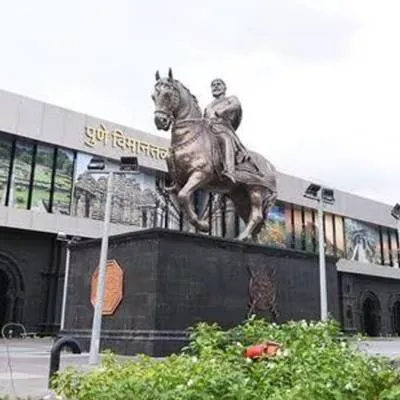
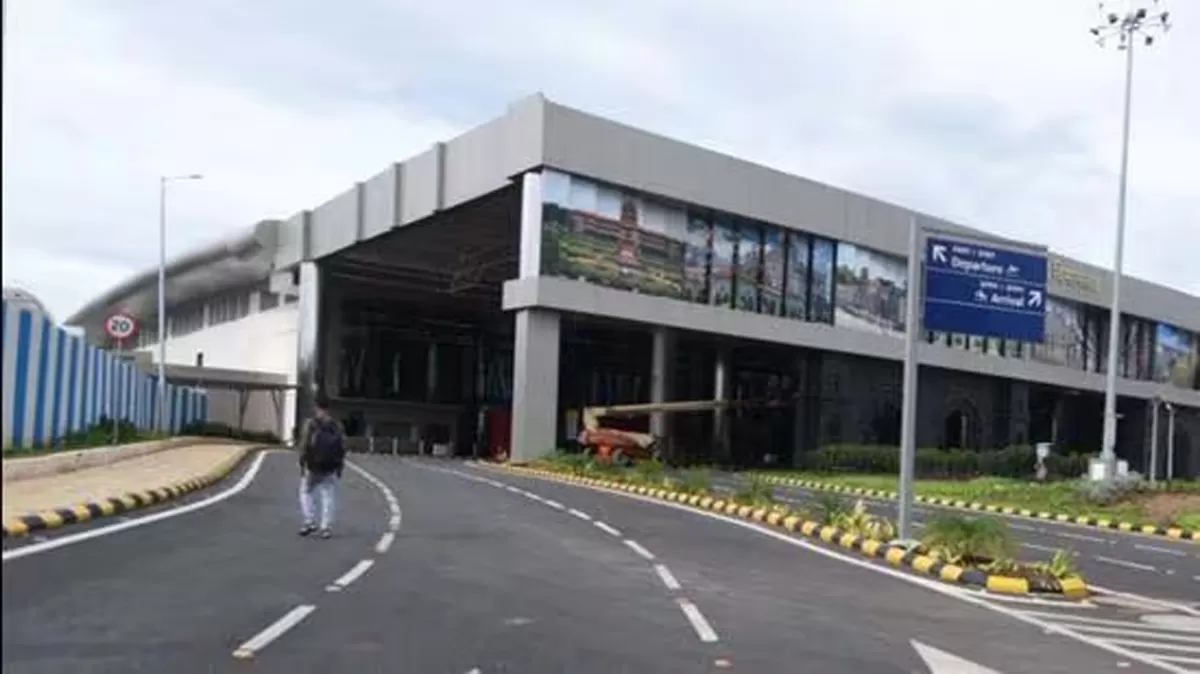
The long-anticipated expansion of Pune Airport is set to commence, with 13 acres of additional land expected to be handed over to airport authorities by the end of October. The land will be used to develop five new aircraft parking bays, a remote bay, and a dedicated cargo terminal, with the total investment pegged at Rs 1 billion. Currently operating with ten parking bays to handle approximately 200 flight movements per day, the addition is projected to facilitate 50–60 extra flights daily, significantly easing congestion and boosting operational efficiency.
Passenger traffic at Pune Airport has seen consistent growth, crossing 10 million travellers in the past year. With 15 new flight slots recently allocated for the winter schedule, daily movements are poised to rise from 200 to around 225. The new bays will not only accommodate this surge but also support the introduction of new domestic and international routes, cementing Pune’s position as a key aviation hub in western India.
In parallel, plans are progressing to extend the airport’s runway to support growing operational needs. According to the Airports Authority of India (AAI), a parking bay or apron is the area where aircraft are stationed post-landing and pre-departure, enabling boarding, baggage handling, refuelling, and maintenance. More bays ensure efficient ground handling, reduce runway congestion, and minimise airborne holding patterns, thereby enhancing safety and punctuality.
A senior AAI official noted, “The availability of parking bays is vital for smooth airport functioning. Limited parking leads to delays and disrupts flight schedules. Increasing bay capacity allows simultaneous management of multiple aircraft, ensuring orderly and safe movement.”
Confirming the development, Union Minister of State for Civil Aviation, Murlidhar Mohol, stated that the 13-acre parcel will be handed over by October-end. “Key infrastructure like parking bays will be built here, enhancing Pune Airport’s handling capacity. This expansion will directly benefit passengers and enable the city to connect to more destinations,” he added.
The move comes at a critical time for Pune, where increasing air travel demand and infrastructure constraints have underscored the need for immediate upgrades. The expansion is expected to relieve pressure on existing facilities while laying the foundation for long-term growth in passenger and cargo services.

The long-anticipated expansion of Pune Airport is set to commence, with 13 acres of additional land expected to be handed over to airport authorities by the end of October. The land will be used to develop five new aircraft parking bays, a remote bay, and a dedicated cargo terminal, with the total investment pegged at Rs 1 billion. Currently operating with ten parking bays to handle approximately 200 flight movements per day, the addition is projected to facilitate 50–60 extra flights daily, significantly easing congestion and boosting operational efficiency.Passenger traffic at Pune Airport has seen consistent growth, crossing 10 million travellers in the past year. With 15 new flight slots recently allocated for the winter schedule, daily movements are poised to rise from 200 to around 225. The new bays will not only accommodate this surge but also support the introduction of new domestic and international routes, cementing Pune’s position as a key aviation hub in western India.In parallel, plans are progressing to extend the airport’s runway to support growing operational needs. According to the Airports Authority of India (AAI), a parking bay or apron is the area where aircraft are stationed post-landing and pre-departure, enabling boarding, baggage handling, refuelling, and maintenance. More bays ensure efficient ground handling, reduce runway congestion, and minimise airborne holding patterns, thereby enhancing safety and punctuality.A senior AAI official noted, “The availability of parking bays is vital for smooth airport functioning. Limited parking leads to delays and disrupts flight schedules. Increasing bay capacity allows simultaneous management of multiple aircraft, ensuring orderly and safe movement.”Confirming the development, Union Minister of State for Civil Aviation, Murlidhar Mohol, stated that the 13-acre parcel will be handed over by October-end. “Key infrastructure like parking bays will be built here, enhancing Pune Airport’s handling capacity. This expansion will directly benefit passengers and enable the city to connect to more destinations,” he added.The move comes at a critical time for Pune, where increasing air travel demand and infrastructure constraints have underscored the need for immediate upgrades. The expansion is expected to relieve pressure on existing facilities while laying the foundation for long-term growth in passenger and cargo services.

Next Story
Infrastructure Transport

India Becomes First to Produce Bio-Bitumen for Roads

India has become the first country in the world to commercially produce bio-bitumen for use in road construction, according to Road, Transport and Highways Minister Nitin Gadkari. Bitumen, a black and viscous hydrocarbon derived from crude oil, is a key binding material in road building, and the bio-based alternative is expected to significantly improve the sector’s environmental footprint.Addressing the CSIR Technology Transfer Ceremony in New Delhi, Mr Gadkari congratulated Council of Scientific and Industrial Research on achieving the milestone, noting that the initiative would help curb ..

Next Story
Infrastructure Urban

HILT Policy Seen Boosting Telangana Revenue Sharply

The Hyderabad Industrial Land Transformation (HILT) Policy is expected to generate around Rs 1.08 billion in revenue for the Telangana state exchequer, according to Deputy Chief Minister Bhatti Vikramarka Mallu. Speaking in the Telangana Legislative Assembly, he said the policy would be implemented within a six-month timeframe in a transparent manner, with uniform rules applicable to all stakeholders. Mr Vikramarka noted that without the HILT Policy, the state would have earned only about Rs 1.2 million per acre. Under the new framework, however, revenue is projected to rise sharply to Rs 70 ..

Next Story
Infrastructure Urban

India Post, MoRD Tie Up to Boost Rural Inclusion

The Department of Posts and the Ministry of Rural Development have signed a Memorandum of Understanding to accelerate rural transformation and expand financial, digital and logistics services for Self-Help Groups (SHGs) and rural households across India. The agreement was signed in the presence of Union Minister of Communications and Development of North Eastern Region Jyotiraditya M. Scindia and Union Minister of Rural Development and Agriculture and Farmers’ Welfare Shivraj Singh Chouhan. The collaboration aligns with the government’s “Dak Sewa, Jan Sewa” vision and seeks to repositi..

Advertisement

Subscribe to Our Newsletter

Get daily newsletters around different themes from Construction world.

STAY CONNECTED

Advertisement

Advertisement

Advertisement

Advertisement

Open In App