

+
1,200 KSRTC buses get 2-year life extension
ROADS & HIGHWAYS

1,200 KSRTC buses get 2-year life extension

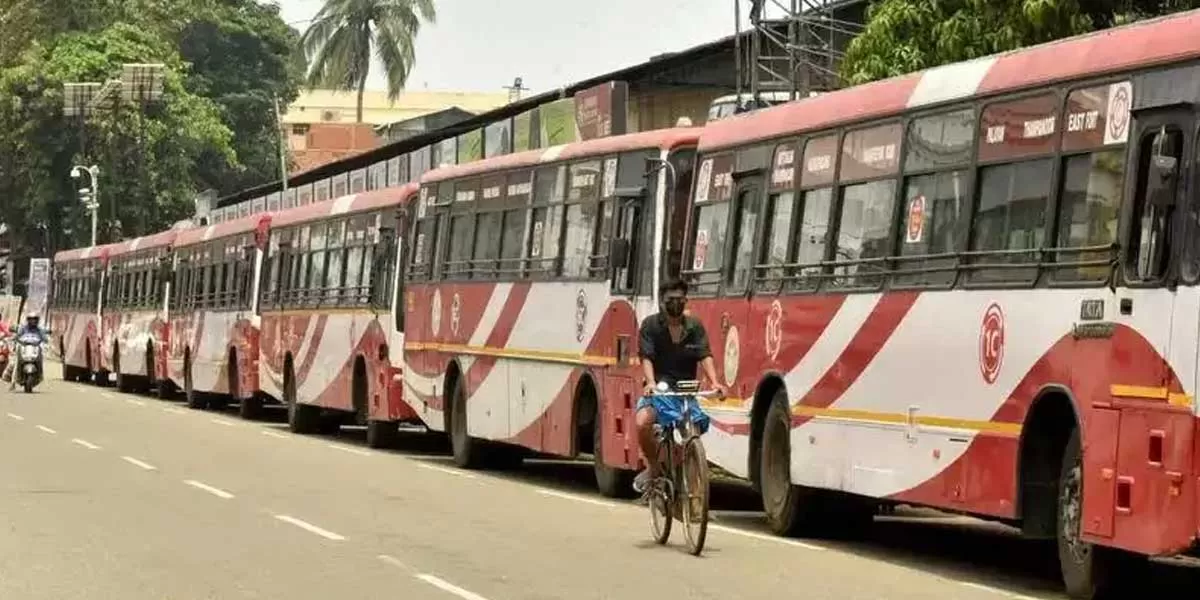
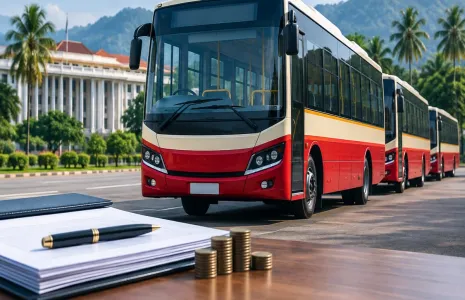
The state government has granted a two-year extension to 1,200 KSRTC buses that were nearing the end of their 15-year service life. This decision was made following the lack of response to a request from Transport Minister K B Ganesh Kumar, who had appealed to the Union Minister for Road Transport and Highways, Nitin Gadkari, for permission to extend the buses’ operational lifespan.

Concerns had been raised about the potential disruption to public transport if these buses were decommissioned. KSRTC has been struggling with a shortage of vehicles, with its fleet shrinking to 4,000 buses, compared to 6,200 when the Left government came into power. As of 30th September, the 1,200 buses were due to be scrapped under central motor vehicle regulations, which require buses to be retired after 15 years of service.

Although ?0.92 billion had been allocated in the budget for the procurement of new buses, financial constraints led to cuts across various departments, leaving KSRTC without the necessary funds. The proposal to extend the lifespan of the buses was intended to avoid disruption to services and inconvenience to passengers.

Ganesh Kumar’s letter to the Union Minister highlighted the state’s financial difficulties, asserting that many of the buses, despite their age, remained in functional condition. However, in the absence of a response from the central government, the state transport department issued the extension order to keep the buses operational. There is, however, some uncertainty regarding the legality of the state’s decision, as the final authority to grant such an extension lies with the central government. This raises the possibility that the order could be challenged in court.

The state government has granted a two-year extension to 1,200 KSRTC buses that were nearing the end of their 15-year service life. This decision was made following the lack of response to a request from Transport Minister K B Ganesh Kumar, who had appealed to the Union Minister for Road Transport and Highways, Nitin Gadkari, for permission to extend the buses’ operational lifespan. Concerns had been raised about the potential disruption to public transport if these buses were decommissioned. KSRTC has been struggling with a shortage of vehicles, with its fleet shrinking to 4,000 buses, compared to 6,200 when the Left government came into power. As of 30th September, the 1,200 buses were due to be scrapped under central motor vehicle regulations, which require buses to be retired after 15 years of service. Although ?0.92 billion had been allocated in the budget for the procurement of new buses, financial constraints led to cuts across various departments, leaving KSRTC without the necessary funds. The proposal to extend the lifespan of the buses was intended to avoid disruption to services and inconvenience to passengers. Ganesh Kumar’s letter to the Union Minister highlighted the state’s financial difficulties, asserting that many of the buses, despite their age, remained in functional condition. However, in the absence of a response from the central government, the state transport department issued the extension order to keep the buses operational. There is, however, some uncertainty regarding the legality of the state’s decision, as the final authority to grant such an extension lies with the central government. This raises the possibility that the order could be challenged in court.

Next Story
Infrastructure Urban

India Expands Semiconductor Training To 500 Institutions

Under the Chips to Startups programme of the India Semiconductor Mission, the Union minister responsible for Railways, Information and Broadcasting, and Electronics and IT reported notable progress in talent development. He indicated that over the past four years substantial steps have been taken towards a 10-year target of training 85,000 engineers in semiconductor design. World-class EDA tools have been deployed in 315 academic institutions across the country to provide students with practical exposure to chip design. These EDA tools are supported by leading global firms and are accessible t..

Next Story
Infrastructure Urban

Delhi Institutions Support India Semiconductor Mission

The Government of India has prioritised talent development through training, upskilling and workforce development under the Chips to Startups initiative of the India Semiconductor Mission, with officials noting progress in four years towards a 10-year target of training 85,000 engineers in semiconductor design. Electronic design automation tools provided by Synopsys, Cadence, Siemens, Renesas, Ansys and AMD have been deployed in 315 academic institutions, enabling students to gain practical chip design experience. Chips have been fabricated and tested at the Semiconductor Laboratory, Mohali, a..

Next Story
Infrastructure Urban

NHA Announces Winners Of NHCX Hackathon At IIT Hyderabad

The National Health Authority (NHA) has concluded the NHCX Hackathon under the Ayushman Bharat Digital Mission (ABDM) to stimulate innovation around the National Health Claims Exchange (NHCX). The winning teams presented their solutions at the NHCX Innovation Meet held at IIT Hyderabad during a two-day event in March 2026 that also served as the hackathon grand finale. The hackathon itself ran from 22 to 28 February 2026 and aimed to accelerate paperless, transparent claims processing across India. The event was organised with a range of ecosystem partners, including the Insurance Regulatory a..

Advertisement

Subscribe to Our Newsletter

Get daily newsletters around different themes from Construction world.

STAY CONNECTED

Advertisement

Advertisement

Advertisement