Is IL&FS too big to fail? What happened? And what's the fallout? CW delves deeper.
ROADS & HIGHWAYS

Is IL&FS too big to fail? What happened? And what's the fallout? CW delves deeper.

It has been nothing less than a storm for Mumbai-based Infrastructure Leasing &amp; Financial Services (IL&amp;FS) Group. The company has built a debt pile of Rs 910 billion. Of this, Rs 570 billion is due to banks (mostly state-run lenders) and a debt burden of Rs 350 billion is with the group's roads development subsidiary. This blow has hit not just the group company but its shareholders and mutual fund investors as well. All this came to light when, last month, ICRA downgraded the company's debt and cut the ratings on the company's Rs 52.25 billion non-convertible debentures (NCDs) and Rs 3.50 billion loans sharply to BB from AA+. India Ratings, too, downgraded the NCDs to 'IND BB rating watch negative' from 'IND AA+ rating watch negative'. What's more, rating agencies such as CARE have downgraded papers of IL&amp;FS and its group companies. <p></p> <p> <span style="font-weight: bold;">The debt culprit</span><br /> As reported, IL&amp;FS and its subsidiary IL&amp;FS Financial Services delayed on inter-corporate deposits and commercial papers early September. Owing to this and an increase in liquidity pressure on IL&amp;FS, its ratings were downgraded. The group's infrastructure business, IL&amp;FS Transportation Networks (ITNL), is known to be the root cause of its current distress. Primarily a roads operator, with a few other transportation projects such as the metro rail, some of its projects have been affected by rising financial distress such as cost overruns, traffic shortfalls and compensation disputes with regulators. </p> <p>'We have incurred losses in projects owing to external factors that have resulted in cost escalation,' a senior official from IL&amp;FS shares on grounds of anonymity with the CW team. </p> <p>'This has compelled us to make an arbitrary claim of Rs 100 billion to NHAI and Ministry of Transport and Highways, of which NHAI has released Rs 4.25 billion for one project.' According to information available with CW, the government was supposed to pay the claim last year itself. Even if both authorities had released Rs 50 billion last year, the company could have averted this situation.</p> <p>Speaking on infusion of funds, the official adds, 'Although we have 35 projects, because of some issues, we requested the concessionaire to terminate the contract for a few. Now, the toll collection for these projects on an average is Rs 80-82.5 million per day, which is around Rs 2.5 billion per month. However, we don't receive this as it is directly credited to the bank's escrow account; hence, we are unable to service our interest. These are the projects where we have infused funds but, at the end, we have not recovered our investments.' </p> <p>He goes on to reveal that, of whatever equity the company had, it infused considerable funds in two projects bagged in Maharashtra in 2015 owing to a crisis in the banking sector. </p> <p>'None of the banks were willing to finance those projects, which were closed to Rs 45 billion.' This is where the company pumped in nearly 70 per cent equity. 'So wherever issues popped up, we put in our equity to bring the project up and running.'</p> <p> <span style="font-weight: bold;">Impact on banks</span><br /> Rising liquidity issues in IL&amp;FS are credit negative for Indian banks. As Moody's Investors Service shares, 'As of 31 March 2018, debts incurred by IL&amp;FS in the form of bank loans accounted for around 0.5 per cent to 0.7 per cent of overall banking system loans. </p> <p>We do not expect the exposure of any rated bank to exceed 2 per cent of its loan book.' It goes on to add, 'One particular asset challenge for banks in a potential IL&amp;FS default comes from the company's complex corporate structure, which could result in high variation of ultimate losses across banks depending on where the banks' specific exposures lie.'</p> <p>For instance, ITNL, which is the entity holding the group's transportation assets, was involved in 37 projects at the end of March 2018, as cited in the recent report by Moody's Investors Service. </p> <p>These projects include a mix of operating assets and assets still under construction. Most of these projects are housed under separate subsidiaries. This implies that the eventual losses suffered by creditor banks in a default scenario could vary significantly and depend on the particular assets lodged within specific subsidiaries. </p> <p>While the main shareholders of the group have a strong financial standing, none of them have so far publically declared commitment of any specific support. </p> <p> <span style="font-weight: bold;">What's next?</span><br /> The company is reportedly confident that it has good assets in its possession, which can be monetised. Recent news reports suggested that the company will raise Rs 300 billion through asset sell. However, the senior official from IL&amp;FS negates this claim, saying, 'Our immediate requirement is around Rs 6-7 billion. Meanwhile, we have plans to sell our assets and raise funds of around Rs 300 billion. But it will take 10 to 15 years.' </p> <p>He goes on to share that, three years ago, there were some potential investors from the US, including Piramal from India, who were doing active diligence and wanted to buy stakes in the company. However, back then, one of the company's major shareholders was not in agreement, with the argument that IL&amp;FS would get better valuation than what was offered by Piramal. </p> <p>At ITNL's annual general meeting on September 4, it was reportedly discussed that with planned asset sales across the group of 25 projects across the roads and energy portfolios as well as some revenue-generating business verticals, the company plans to cut its own debt down to Rs 20-30 billion in the next six to nine months. According to a report by Nomura India, 'Our interaction with banks suggests that a good part of IL&amp;FS Group would be sitting as standard assets for most banks, except for NPA recognition of a large power exposure of the group.'</p> <p>Sharing its position on the IL&amp;FS downgrade, Tata Mutual Funds has said, 'We are closely monitoring the liquidity position of the IL&amp;FS group. The group is expected to raise Rs 80 billion by November 2018 through a combination of equity investment and debt funds from its shareholders. This is targeted to ensure the interim debt repayments to be timely.'</p> <p>All considered, some people still believe that the IL&amp;FS fiasco has been blown out of proportion - what remains to be seen is if IL&amp;FS is too big to fail. However, if this is only the tip of the iceberg, the impact on banking, financing and funding in India is yet to be seen.</p> <p> - Shriyal Sethumadhavan &amp; Rahul Kamat</p>

It has been nothing less than a storm for Mumbai-based Infrastructure Leasing &amp; Financial Services (IL&amp;FS) Group. The company has built a debt pile of Rs 910 billion. Of this, Rs 570 billion is due to banks (mostly state-run lenders) and a debt burden of Rs 350 billion is with the group's roads development subsidiary. This blow has hit not just the group company but its shareholders and mutual fund investors as well. All this came to light when, last month, ICRA downgraded the company's debt and cut the ratings on the company's Rs 52.25 billion non-convertible debentures (NCDs) and Rs 3.50 billion loans sharply to BB from AA+. India Ratings, too, downgraded the NCDs to 'IND BB rating watch negative' from 'IND AA+ rating watch negative'. What's more, rating agencies such as CARE have downgraded papers of IL&amp;FS and its group companies. <p></p> <p> <span style="font-weight: bold;">The debt culprit</span><br /> As reported, IL&amp;FS and its subsidiary IL&amp;FS Financial Services delayed on inter-corporate deposits and commercial papers early September. Owing to this and an increase in liquidity pressure on IL&amp;FS, its ratings were downgraded. The group's infrastructure business, IL&amp;FS Transportation Networks (ITNL), is known to be the root cause of its current distress. Primarily a roads operator, with a few other transportation projects such as the metro rail, some of its projects have been affected by rising financial distress such as cost overruns, traffic shortfalls and compensation disputes with regulators. </p> <p>'We have incurred losses in projects owing to external factors that have resulted in cost escalation,' a senior official from IL&amp;FS shares on grounds of anonymity with the CW team. </p> <p>'This has compelled us to make an arbitrary claim of Rs 100 billion to NHAI and Ministry of Transport and Highways, of which NHAI has released Rs 4.25 billion for one project.' According to information available with CW, the government was supposed to pay the claim last year itself. Even if both authorities had released Rs 50 billion last year, the company could have averted this situation.</p> <p>Speaking on infusion of funds, the official adds, 'Although we have 35 projects, because of some issues, we requested the concessionaire to terminate the contract for a few. Now, the toll collection for these projects on an average is Rs 80-82.5 million per day, which is around Rs 2.5 billion per month. However, we don't receive this as it is directly credited to the bank's escrow account; hence, we are unable to service our interest. These are the projects where we have infused funds but, at the end, we have not recovered our investments.' </p> <p>He goes on to reveal that, of whatever equity the company had, it infused considerable funds in two projects bagged in Maharashtra in 2015 owing to a crisis in the banking sector. </p> <p>'None of the banks were willing to finance those projects, which were closed to Rs 45 billion.' This is where the company pumped in nearly 70 per cent equity. 'So wherever issues popped up, we put in our equity to bring the project up and running.'</p> <p> <span style="font-weight: bold;">Impact on banks</span><br /> Rising liquidity issues in IL&amp;FS are credit negative for Indian banks. As Moody's Investors Service shares, 'As of 31 March 2018, debts incurred by IL&amp;FS in the form of bank loans accounted for around 0.5 per cent to 0.7 per cent of overall banking system loans. </p> <p>We do not expect the exposure of any rated bank to exceed 2 per cent of its loan book.' It goes on to add, 'One particular asset challenge for banks in a potential IL&amp;FS default comes from the company's complex corporate structure, which could result in high variation of ultimate losses across banks depending on where the banks' specific exposures lie.'</p> <p>For instance, ITNL, which is the entity holding the group's transportation assets, was involved in 37 projects at the end of March 2018, as cited in the recent report by Moody's Investors Service. </p> <p>These projects include a mix of operating assets and assets still under construction. Most of these projects are housed under separate subsidiaries. This implies that the eventual losses suffered by creditor banks in a default scenario could vary significantly and depend on the particular assets lodged within specific subsidiaries. </p> <p>While the main shareholders of the group have a strong financial standing, none of them have so far publically declared commitment of any specific support. </p> <p> <span style="font-weight: bold;">What's next?</span><br /> The company is reportedly confident that it has good assets in its possession, which can be monetised. Recent news reports suggested that the company will raise Rs 300 billion through asset sell. However, the senior official from IL&amp;FS negates this claim, saying, 'Our immediate requirement is around Rs 6-7 billion. Meanwhile, we have plans to sell our assets and raise funds of around Rs 300 billion. But it will take 10 to 15 years.' </p> <p>He goes on to share that, three years ago, there were some potential investors from the US, including Piramal from India, who were doing active diligence and wanted to buy stakes in the company. However, back then, one of the company's major shareholders was not in agreement, with the argument that IL&amp;FS would get better valuation than what was offered by Piramal. </p> <p>At ITNL's annual general meeting on September 4, it was reportedly discussed that with planned asset sales across the group of 25 projects across the roads and energy portfolios as well as some revenue-generating business verticals, the company plans to cut its own debt down to Rs 20-30 billion in the next six to nine months. According to a report by Nomura India, 'Our interaction with banks suggests that a good part of IL&amp;FS Group would be sitting as standard assets for most banks, except for NPA recognition of a large power exposure of the group.'</p> <p>Sharing its position on the IL&amp;FS downgrade, Tata Mutual Funds has said, 'We are closely monitoring the liquidity position of the IL&amp;FS group. The group is expected to raise Rs 80 billion by November 2018 through a combination of equity investment and debt funds from its shareholders. This is targeted to ensure the interim debt repayments to be timely.'</p> <p>All considered, some people still believe that the IL&amp;FS fiasco has been blown out of proportion - what remains to be seen is if IL&amp;FS is too big to fail. However, if this is only the tip of the iceberg, the impact on banking, financing and funding in India is yet to be seen.</p> <p> - Shriyal Sethumadhavan &amp; Rahul Kamat</p>

Next Story
Equipment

Schwing Stetter India Unveils New Innovations at Excon 2025

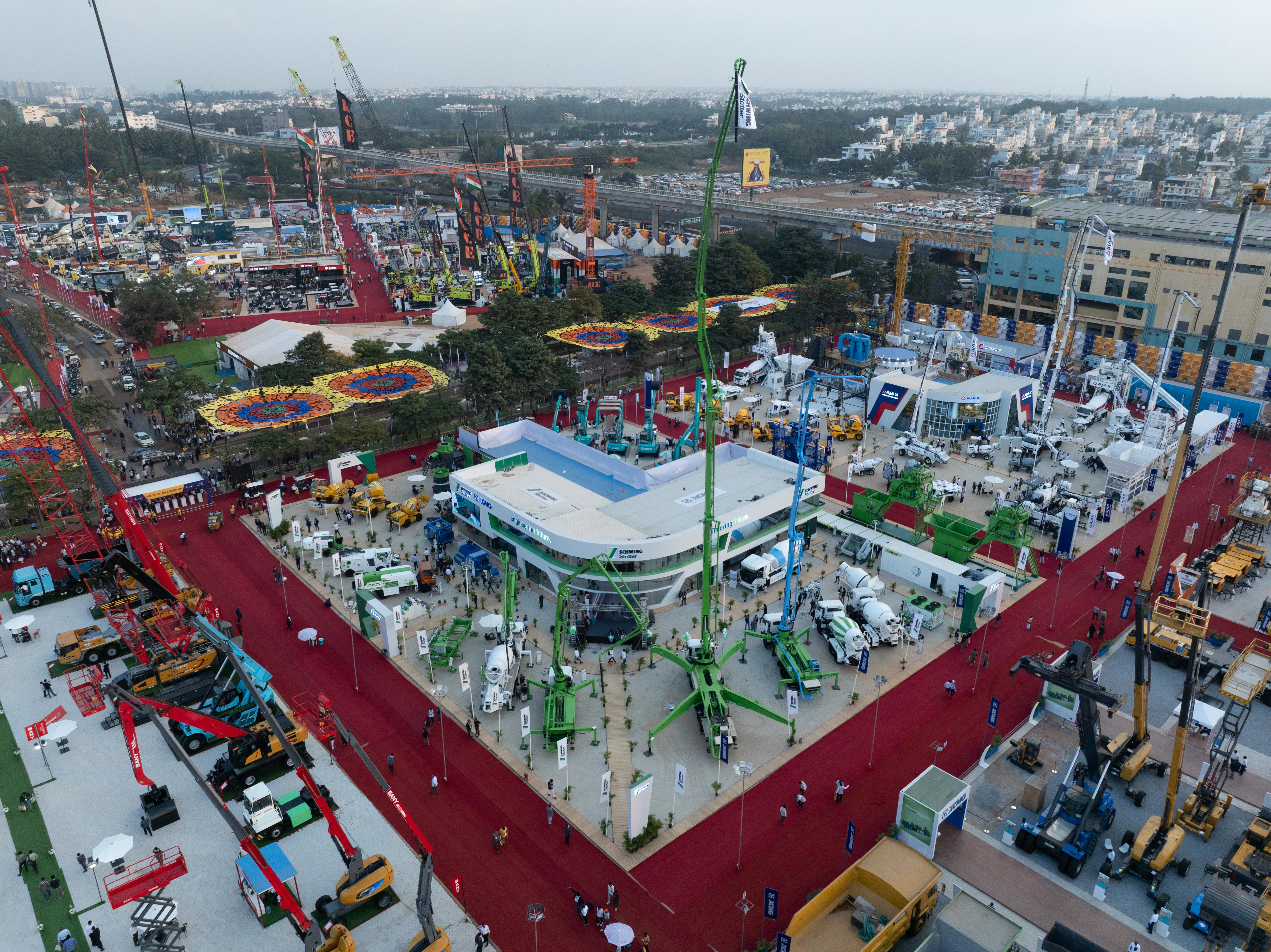
Schwing Stetter India unveiled more than 20 new machines at Excon 2025, marking one of its most significant showcases and introducing several India-first technologies to the construction equipment sector. The company launched the country’s first 56-metre boom pump designed and manufactured in India, the first fully electric truck mixer, the first CNG mixer variant and the first hybrid boom pump. Executives said the launch portfolio was engineered to support India’s move toward faster, greener and more vertically oriented infrastructure through advanced engineering, clean-energy solutions a..

Next Story
Infrastructure Energy

SEPC Resolves Hindustan Copper Dispute, Wins Rs 725 Mn Order

Engineering, procurement and construction firm SEPC Ltd has recently settled a dispute with Hindustan Copper Ltd (HCL) and secured a mining infrastructure order valued at Rs 725 million from the state-owned company. SEPC informed the stock exchanges that it has executed a settlement deed with HCL, bringing closure to all inter-se claims and counterclaims arising from arbitration proceedings. As part of the settlement, SEPC will receive Rs 304.5 million as full and final payment, marking the resolution of all pending disputes between the two entities. The company also stated that Hindustan Co..

Next Story
Infrastructure Energy

20% Ethanol Blending Cuts India’s CO2 Emissions by 73.6 Mn Tonnes

Union Road Transport and Highways Minister Nitin Gadkari recently said that India has reduced carbon dioxide emissions by 73.6 million metric tonnes due to the adoption of 20 per cent ethanol blending in petrol. He made the statement while replying to supplementary questions during the Question Hour in the Lok Sabha. Describing ethanol as a green fuel, the minister said it plays a key role in reducing pollution while also supporting higher incomes for farmers. He underlined that ethanol blending contributes both to environmental sustainability and rural economic growth. Nitin Gadkari also po..

Advertisement

Subscribe to Our Newsletter

Get daily newsletters around different themes from Construction world.

STAY CONNECTED

Advertisement

Advertisement

Advertisement

Advertisement

Open In App