+
Bhopal Airport goes green: Electric Vehicles to be replaced by 2024
ROADS & HIGHWAYS

Bhopal Airport goes green: Electric Vehicles to be replaced by 2024

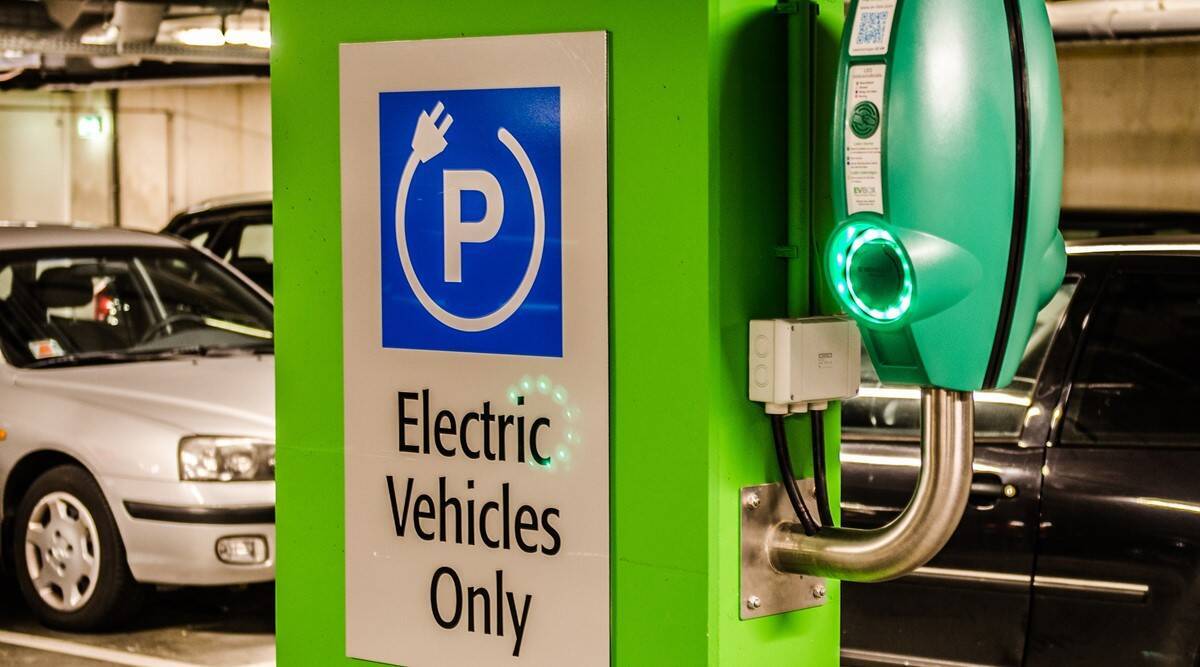
Bhopal's Raja Bhoj airport, under the Airport Authority of India (AAI), has launched electric vehicles (EVs) as part of its efforts to achieve zero carbon emission on campus. The initial phase involves the deployment of two EVs, marking a significant step towards reducing the airport's environmental impact. AAI plans to gradually replace all vehicles with EVs by 2024, reducing dependency on fossil fuels and controlling vehicular emissions.

To support the transition, high voltage and fast-charging stations will be installed strategically throughout the airport premises to cater to the charging needs of EVs and other stakeholders. A parking policy is also in the works, which will include the installation of EV charging stations. Airlines operating at the airport have shown a positive response to replacing their existing vehicles with EVs, and AAI aims to achieve a complete transition by 2024.

Bhopal airport has already achieved Level 2+ Carbon Accreditation by the Airports Council International (ACI) and runs entirely on 100% renewable energy. The airport features a 1 MW ground-mounted solar power plant and an additional carport solar power plant commissioned in February 2023. These initiatives have resulted in significant energy savings and carbon emission reductions.

By generating 1,337,596 units of electricity from solar plants in the 2022-23 period, the airport has saved 1,060 tonnes of CO 2 emissions. Bhopal airport has also implemented various energy-saving measures, such as LED lights, VFD operated AHUs, eco-friendly air conditioning systems, energy- efficient motors, and cooling towers. With its commitment to renewable energy and the adoption of EVs, Bhopal airport is contributing to the broader goal of creating carbon-neutral airports that operate solely on green energy sources. These airports offset any remaining CO 2 emissions under their direct control, ensuring a sustainable and environmentally friendly aviation sector.

Bhopal's Raja Bhoj airport, under the Airport Authority of India (AAI), has launched electric vehicles (EVs) as part of its efforts to achieve zero carbon emission on campus. The initial phase involves the deployment of two EVs, marking a significant step towards reducing the airport's environmental impact. AAI plans to gradually replace all vehicles with EVs by 2024, reducing dependency on fossil fuels and controlling vehicular emissions. To support the transition, high voltage and fast-charging stations will be installed strategically throughout the airport premises to cater to the charging needs of EVs and other stakeholders. A parking policy is also in the works, which will include the installation of EV charging stations. Airlines operating at the airport have shown a positive response to replacing their existing vehicles with EVs, and AAI aims to achieve a complete transition by 2024. Bhopal airport has already achieved Level 2+ Carbon Accreditation by the Airports Council International (ACI) and runs entirely on 100% renewable energy. The airport features a 1 MW ground-mounted solar power plant and an additional carport solar power plant commissioned in February 2023. These initiatives have resulted in significant energy savings and carbon emission reductions. By generating 1,337,596 units of electricity from solar plants in the 2022-23 period, the airport has saved 1,060 tonnes of CO 2 emissions. Bhopal airport has also implemented various energy-saving measures, such as LED lights, VFD operated AHUs, eco-friendly air conditioning systems, energy- efficient motors, and cooling towers. With its commitment to renewable energy and the adoption of EVs, Bhopal airport is contributing to the broader goal of creating carbon-neutral airports that operate solely on green energy sources. These airports offset any remaining CO 2 emissions under their direct control, ensuring a sustainable and environmentally friendly aviation sector.

Next Story
Infrastructure Urban

Implementation Status of Jal Jeevan Mission

Since August 2019 the Government has implemented Jal Jeevan Mission to provide assured potable water through household tap connections in rural India. At the start of the mission only 32.3 million (mn) rural households, representing 16.7 per cent, were reported to have tap water connections. States and union territories have reported that 125.8 mn additional rural households have since been provided with tap connections. As a result, of about 193.6 mn rural households roughly 158.2 mn, or 81.71 per cent, are reported to have tap water supply at home.\n\nThe State, district and village level st..

Next Story
Infrastructure Urban

Jal Jeevan Mission Reaches Eighty One Per Cent Rural Coverage

The Government reported substantial progress under the Jal Jeevan Mission, launched in August 2019 to provide tap water to every rural household. At launch only 32.3 million (mn) rural households had tap connections and states and Union territories reported provision of 125.8 mn additional households by March 2026. Consequently, out of about 193.6 mn rural households around 158.2 mn, or 81.71 per cent, are reported to have tap water at home. The Finance Minister announced extension of the mission until 2028 in the 2025-26 budget speech. The Swachh Bharat Mission Grameen, launched in October 20..

Next Story
Infrastructure Urban

Empowering Local Governance for Sustainable Rural Water Supply

The Ministry of Jal Shakti has aligned the Jal Jeevan Mission (JJM) with the 73rd Amendment to strengthen village level planning and community ownership of water supply. Gram Panchayats, village water and sanitation committees and Pani Samitis are to plan, implement, manage and maintain piped water systems, with gram sabha processes formalising handover and oversight. Implementation support agencies including non government organisations, community based organisations and self help groups have been empanelled to train local committees and promote women participation. Under JJM, the department ..

Advertisement

Subscribe to Our Newsletter

Get daily newsletters around different themes from Construction world.

STAY CONNECTED

Advertisement

Advertisement

Advertisement