Centre to construct first multi-modal railroad corridor in Northeast
ROADS & HIGHWAYS

Centre to construct first multi-modal railroad corridor in Northeast

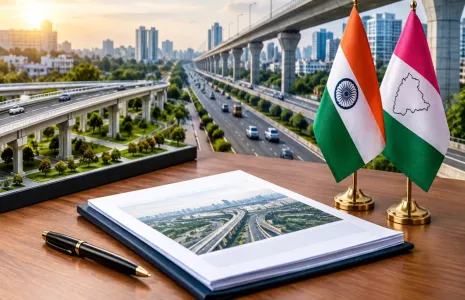
The government is planning to construct a strategically important Integrated multi-modal rail and road transport corridor in the Northeast, the first in the country.

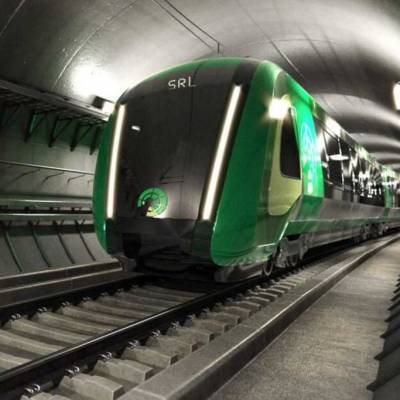
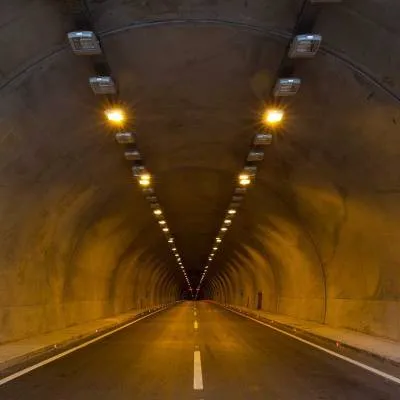
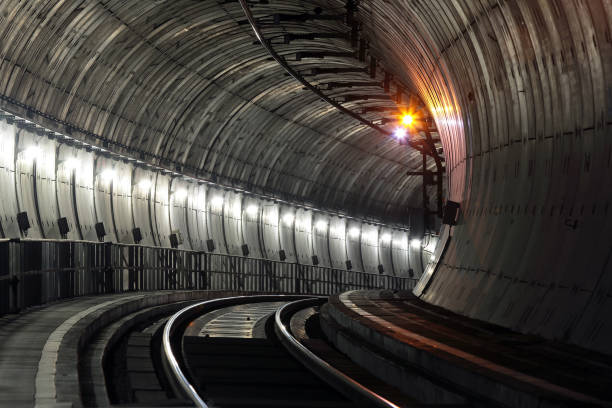
Under the project, two road tube tunnels and one rail tube tunnel will be constructed under the Brahmaputra river.

Apart from this, a rail-road infrastructure will be built for the rail-road missing connections, including several new rail lines, a railway station, a loop line, and a station yard. With the help of this mega rail-road transport corridor, logistics ammunition, military vehicles, and armed forces can reach the China border of Tawang, North Assam, and Arunachal Pradesh faster.

Indian Railways, Ministry of Road Transport and Highways (MoRTH), and Ministry of Defence Border Roads' Organisation (BRO) will jointly achieve the project estimated to cost about Rs 7,700 crore.

Last month, The Border Roads Organisation (BRO) gave a project presentation to the Railway Board.

A senior official said there is a proposal to construct two road tube tunnels and one rail tube tunnel, approximately 10 km long, under the Brahmaputra river.

Apart from this, a new railway line of 121.33 km-long will be laid between Rangpara-Tawang. This new rail line will link Tawang, Bhalukpong, Senga, Rupa, and Rangpara. A new railway line will also be laid between Dekragaon-Jamugurihar and Dhalaibil-Jakhlabandh. A new railway station is proposed to be constructed between Dhalaibil-Jamugurihar with an improved number of platforms, a loop line, and station premises.

The official said there are plans to lay an added rail line between South Portal-Silghat. It is not possible to go to the north and south banks of the Brahmaputra river due to the missing connection of the railroad in the Northeast. Because of this, rail-road connectivity will be developed on a priority basis.

A rail-two road tube tunnel will play a strategic part.

For the first time in the nation, infrastructure is being built for strategic objectives so that there will be direct rail-road connectivity from North Assam to Tawang and Arunachal Pradesh’s China border. Three tunnels will be constructed under the Brahmaputra river for the first time.

Earlier, National Highways and Infrastructure Development Corporation Limited (NHIDCL), an undertaking of the Ministry of Road Transport, had designed a plan to construct a tunnel under the river.

Image Source

Also read: Indian Railways developing infrastructure facilities at stations

The government is planning to construct a strategically important Integrated multi-modal rail and road transport corridor in the Northeast, the first in the country. Under the project, two road tube tunnels and one rail tube tunnel will be constructed under the Brahmaputra river. Apart from this, a rail-road infrastructure will be built for the rail-road missing connections, including several new rail lines, a railway station, a loop line, and a station yard. With the help of this mega rail-road transport corridor, logistics ammunition, military vehicles, and armed forces can reach the China border of Tawang, North Assam, and Arunachal Pradesh faster. Indian Railways, Ministry of Road Transport and Highways (MoRTH), and Ministry of Defence Border Roads' Organisation (BRO) will jointly achieve the project estimated to cost about Rs 7,700 crore. Last month, The Border Roads Organisation (BRO) gave a project presentation to the Railway Board. A senior official said there is a proposal to construct two road tube tunnels and one rail tube tunnel, approximately 10 km long, under the Brahmaputra river. Apart from this, a new railway line of 121.33 km-long will be laid between Rangpara-Tawang. This new rail line will link Tawang, Bhalukpong, Senga, Rupa, and Rangpara. A new railway line will also be laid between Dekragaon-Jamugurihar and Dhalaibil-Jakhlabandh. A new railway station is proposed to be constructed between Dhalaibil-Jamugurihar with an improved number of platforms, a loop line, and station premises. The official said there are plans to lay an added rail line between South Portal-Silghat. It is not possible to go to the north and south banks of the Brahmaputra river due to the missing connection of the railroad in the Northeast. Because of this, rail-road connectivity will be developed on a priority basis. A rail-two road tube tunnel will play a strategic part. For the first time in the nation, infrastructure is being built for strategic objectives so that there will be direct rail-road connectivity from North Assam to Tawang and Arunachal Pradesh’s China border. Three tunnels will be constructed under the Brahmaputra river for the first time. Earlier, National Highways and Infrastructure Development Corporation Limited (NHIDCL), an undertaking of the Ministry of Road Transport, had designed a plan to construct a tunnel under the river. Image Source Also read: Indian Railways developing infrastructure facilities at stations

Next Story
Infrastructure Urban

Centre Clears Power Distribution Upgrade for Uttar Pradesh

The Central Government has approved power distribution projects worth Rs 407.39 billion for Uttar Pradesh under the Revamped Distribution Sector Scheme (RDSS). The investment will be used to modernise the state's electricity distribution infrastructure and strengthen network capacity across urban and rural areas. The package targets one of the country's largest distribution networks as the state experiences rapid urbanisation and rising electricity consumption. Planned interventions include the strengthening of distribution lines, modernisation of substations, replacement of ageing electrical ..

Next Story
Infrastructure Energy

India Data Centres To Consume 191 TWh By 2040 Driving Renewables

A Wood Mackenzie report says India's operational data centre capacity is projected to increase more than fivefold to 12 gigawatt (GW) by 2030 from 2.2 GW in 2025 as artificial intelligence (AI) and cloud computing drive demand. It projects electricity consumption to rise from 10 terawatt-hour (TWh) in 2025 to 191 TWh by 2040. The study forecasts a compound annual growth rate of around 40 per cent and notes AI-dedicated capacity will surge nearly 24-fold from 275 megawatt (MW) in 2025 to 6,546 MW by 2030. The report places India's digital economy at Rs 32 trillion (tn) in 2025 and says it contr..

Next Story
Infrastructure Transport

Hydrogen Train Completes 1,200 Kilometres Of Trials

India's first hydrogen train was flagged off between Jind and Sonipat on July 17 and has travelled over 1,200 kilometres in trials, saving diesel consumption of more than 3,200 litres, a Railway Ministry press release said. The deployment marks the introduction of a zero-emission fuel cell train into route testing and represents a milestone in domestic rail innovation. The train generates electricity onboard through a chemical reaction between hydrogen and oxygen, producing electricity to propel the vehicle while emitting only water vapour as a by-product. There is no smoke and no tailpipe car..

Advertisement

Subscribe to Our Newsletter

Get daily newsletters around different themes from Construction world.

STAY CONNECTED

Advertisement

Advertisement

Advertisement