Delhi Transport Corporation unveils 500 low-floor e-buses
ROADS & HIGHWAYS

Delhi Transport Corporation unveils 500 low-floor e-buses

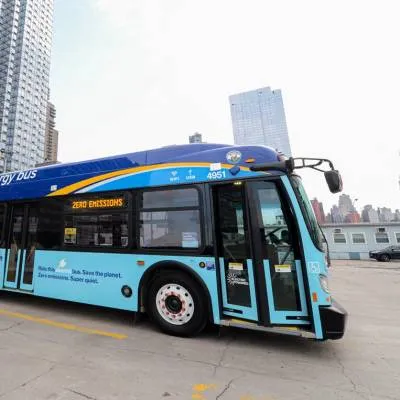
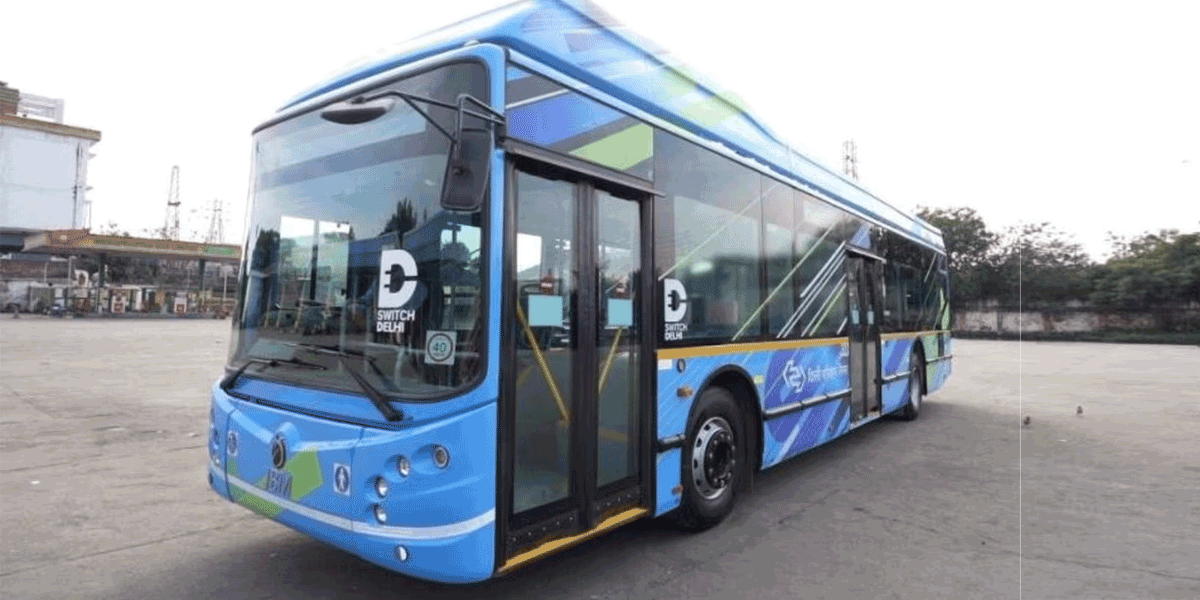
Promoting e-mobility in the national capital, the Delhi Transport Corporation (DTC) is gearing up to introduce a fleet of 500 low-floor electric buses. This strategic initiative is a significant leap towards fostering sustainable urban transportation and will augment DTC's electric vehicle portfolio to approximately 1,300 units.

Delhi's Transport Minister, Kailash Gahlot, heralded the move, asserting that the acquisition of over 1,300 electric buses in the current year positions Delhi as a trailblazer, outpacing other states in embracing clean energy for public transit. Gahlot expressed optimism that this shift to electric buses will contribute to making travel in Delhi entirely emission-free.

Gahlot outlined future plans, stating, ?We are committed to replacing our CNG buses with electric ones in the coming years, making Delhi the pioneer in having a fully electric bus fleet.? The Delhi government aims to phase out all CNG low-floor buses in the city by the conclusion of 2025.

Highlighting the impressive features of the new electric buses, Gahlot noted their remarkable driving range of 225 kilometres on a single charge. Additionally, these buses are equipped with a ventilation and air conditioning (VAC) system, ensuring a comfortable travel experience for passengers.

Key attributes of the new e-buses encompass CCTV cameras, panic buttons with audible alarms, and provisions for emergency live video streaming. Two-way communication with a control room and GPS units for real-time tracking are also incorporated, enhancing safety and security measures.

The decision to introduce electric buses aligns with the government's overarching strategy to phase out older CNG buses. Simultaneously, the addition of these new electric buses aims to address the current shortage of operational buses in the city. Presently, Delhi's public bus fleet comprises 7,300 operational CNG buses, with DTC and DIMTS operating 4,010 and 3,319 buses, respectively.

"Join industry leaders at RAHSTA Expo, India's premier platform for roads, highways and traffic infrastructure. Register now to explore innovations, network with experts and shape the future of mobility."

Promoting e-mobility in the national capital, the Delhi Transport Corporation (DTC) is gearing up to introduce a fleet of 500 low-floor electric buses. This strategic initiative is a significant leap towards fostering sustainable urban transportation and will augment DTC's electric vehicle portfolio to approximately 1,300 units. Delhi's Transport Minister, Kailash Gahlot, heralded the move, asserting that the acquisition of over 1,300 electric buses in the current year positions Delhi as a trailblazer, outpacing other states in embracing clean energy for public transit. Gahlot expressed optimism that this shift to electric buses will contribute to making travel in Delhi entirely emission-free. Gahlot outlined future plans, stating, ?We are committed to replacing our CNG buses with electric ones in the coming years, making Delhi the pioneer in having a fully electric bus fleet.? The Delhi government aims to phase out all CNG low-floor buses in the city by the conclusion of 2025. Highlighting the impressive features of the new electric buses, Gahlot noted their remarkable driving range of 225 kilometres on a single charge. Additionally, these buses are equipped with a ventilation and air conditioning (VAC) system, ensuring a comfortable travel experience for passengers. Key attributes of the new e-buses encompass CCTV cameras, panic buttons with audible alarms, and provisions for emergency live video streaming. Two-way communication with a control room and GPS units for real-time tracking are also incorporated, enhancing safety and security measures. The decision to introduce electric buses aligns with the government's overarching strategy to phase out older CNG buses. Simultaneously, the addition of these new electric buses aims to address the current shortage of operational buses in the city. Presently, Delhi's public bus fleet comprises 7,300 operational CNG buses, with DTC and DIMTS operating 4,010 and 3,319 buses, respectively.

Next Story
Resources

G R Infraprojects Founder Vinod Agarwal Passes Away

Vinod Kumar Agarwal, Founder and Promoter of G R Infraprojects, has passed away. He had been associated with the company since its inception in 1995. His vision, determination and entrepreneurial acumen laid the foundation for the company and helped shape its growth into a leading name in India’s infrastructure sector.Agarwal served as Managing Director from 2008 to 2021 and later as Chairman and Whole-time Director from 2021 to 2025. He stepped down from the office of Director on 10 November 2025. During his leadership tenure, the company moved through significant phases of growth, operatio..

Next Story
Infrastructure Energy

Centre Prioritising Energy Security With Coal Gasification

Union minister for Coal and Mines G Kishan Reddy said the Centre is prioritising energy security through a strategic shift to coal gasification and has announced incentives totalling Rs 460 billion (bn) to support the effort. He said more than 35 companies will start coal gasification activities in India within two months and that the government is encouraging firms that bring technology to close the domestic technology gap. The minister described the initiative as aimed at reducing import dependence and developing indigenous capacity. India has the fifth-largest coal reserve in the world, and..

Next Story
Infrastructure Urban

BHEL and Coal India Invest Rs 250 bn in Odisha Gasification

Bharat Heavy Electricals (BHEL) and Coal India (CIL) are jointly investing Rs 250 billion in a coal gasification project in Odisha, with the Prime Minister laying the foundation stone in Jharsuguda. Union Coal and Mines Minister G Kishan Reddy described the initiative as a transformative shift in coal utilisation that will open industrial avenues for the state. The project moves coal beyond conventional power generation to industrial feedstocks. Coal gasification will convert coal into synthesis gas, a versatile feedstock for chemicals, fertilisers and synthetic fuels, and the technology is ex..

Advertisement

Subscribe to Our Newsletter

Get daily newsletters around different themes from Construction world.

STAY CONNECTED

Advertisement

Advertisement

Advertisement