Govt opens up highway projects for mid-sized firms
ROADS & HIGHWAYS

Govt opens up highway projects for mid-sized firms

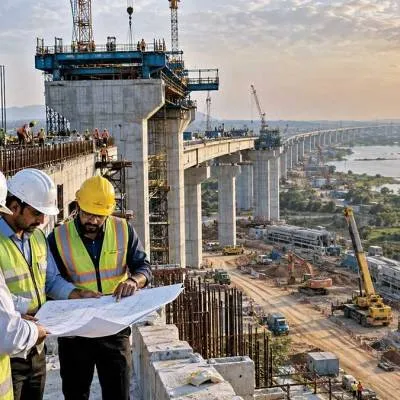
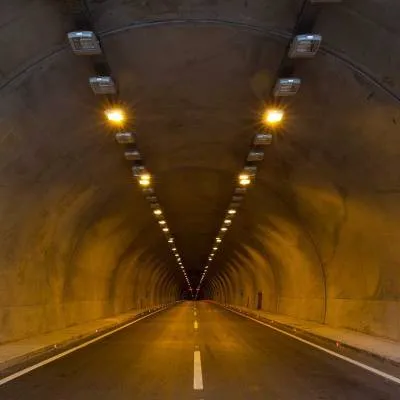
The recent relaxations by the government by increasing participation from a larger set of bidders are likely to intensify competition in highways, roads, bridges and tunnelling projects, as they enable mid-sized firms to participate in the bidding process. As the eligibility of multiple construction contractors has been hindered by the global pandemic, these relaxations will provide the much-needed relief.

As a part of the relaxations provided, the government has slashed the minimum net worth criteria limit to 15% from 25% of the projected engineering, procurement, construction (EPC) project value in the preceding financial year for bidders of national highway projects. The definition of core sector has been expanded to include the construction of hotels, warehouses, stadiums, oil and gas, hospitals, smart cities, silos, and commercial set-up works.

Some of the measures for mid-sized construction companies include relaxation of technical eligibility criteria for tunnelling, bridge works; extension of concessions for all road projects; and relaxation of eligibility criteria for road EPC projects.

The reform may also help with bank credit, which has been shrinking for the sector since even before the onset of the pandemic. After the coronavirus pandemic severely affected the liquidity of infrastructure developers, the government has decreased the amount of performance guarantee for all construction contracts to 3% of the value of the respective contracts, from the extant levels of 5-10%. This reduction is valid for all existing contracts and will continue to remain so for all contracts awarded until the end of next year. It has been implemented to ease liquidity concerns and ensure timely execution of projects.

The recent relaxations by the government by increasing participation from a larger set of bidders are likely to intensify competition in highways, roads, bridges and tunnelling projects, as they enable mid-sized firms to participate in the bidding process. As the eligibility of multiple construction contractors has been hindered by the global pandemic, these relaxations will provide the much-needed relief. As a part of the relaxations provided, the government has slashed the minimum net worth criteria limit to 15% from 25% of the projected engineering, procurement, construction (EPC) project value in the preceding financial year for bidders of national highway projects. The definition of core sector has been expanded to include the construction of hotels, warehouses, stadiums, oil and gas, hospitals, smart cities, silos, and commercial set-up works. Some of the measures for mid-sized construction companies include relaxation of technical eligibility criteria for tunnelling, bridge works; extension of concessions for all road projects; and relaxation of eligibility criteria for road EPC projects. The reform may also help with bank credit, which has been shrinking for the sector since even before the onset of the pandemic. After the coronavirus pandemic severely affected the liquidity of infrastructure developers, the government has decreased the amount of performance guarantee for all construction contracts to 3% of the value of the respective contracts, from the extant levels of 5-10%. This reduction is valid for all existing contracts and will continue to remain so for all contracts awarded until the end of next year. It has been implemented to ease liquidity concerns and ensure timely execution of projects.

Next Story
Infrastructure Urban

UniAcoustic, Vicoustic Form UniVicoustic Alliance

UniAcoustic, part of United Group, has acquired a strategic stake in Portugal-based Vicoustic, forming a new alliance branded as UniVicoustic. The agreement, signed in Mumbai, marks a significant cross-border partnership aligned with evolving India–EU trade dynamics.The collaboration brings together Vicoustic’s global expertise in architectural acoustic products with UniAcoustic’s manufacturing scale and distribution capabilities. The combined platform aims to expand market reach, integrate technology and optimise supply chains across key regions.The development comes amid progress in th..

Next Story
Infrastructure Urban

Dalmia Bharat, Delhi PWD Revamp Under-Flyover Spaces

Dalmia Bharat has partnered with the Public Works Department (PWD), Government of Delhi, to redevelop select under-flyover spaces and a road stretch into sustainable urban hubs. The agreement covers key locations including Lodhi Flyover, Oberoi Flyover, Mangi Bridge and Hanuman Setu.Under the initiative, the company will undertake design, landscaping, plantation and long-term maintenance of the sites, with a defined upkeep period of three years after completion. The project aims to improve urban aesthetics while promoting environmental sustainability and biodiversity restoration in high-densit..

Next Story
Infrastructure Urban

Versigent Debuts as Independent NYSE-Listed Company

Versigent has launched as an independent publicly traded company following its separation from Aptiv, with shares commencing trading on the New York Stock Exchange under the ticker “VGNT”. The move marks a significant milestone in the company’s transition into a standalone global player in power distribution systems.The company specialises in the design, manufacturing and delivery of low- and high-voltage electrical architectures, supported by engineering centres across four continents and manufacturing operations in over 25 countries.Versigent reported revenues of $8.8 billion, net inco..

Advertisement

Subscribe to Our Newsletter

Get daily newsletters around different themes from Construction world.

STAY CONNECTED

Advertisement

Advertisement

Advertisement