Govt to raise funds at 6% annual rate of interest for road projects
ROADS & HIGHWAYS

Govt to raise funds at 6% annual rate of interest for road projects

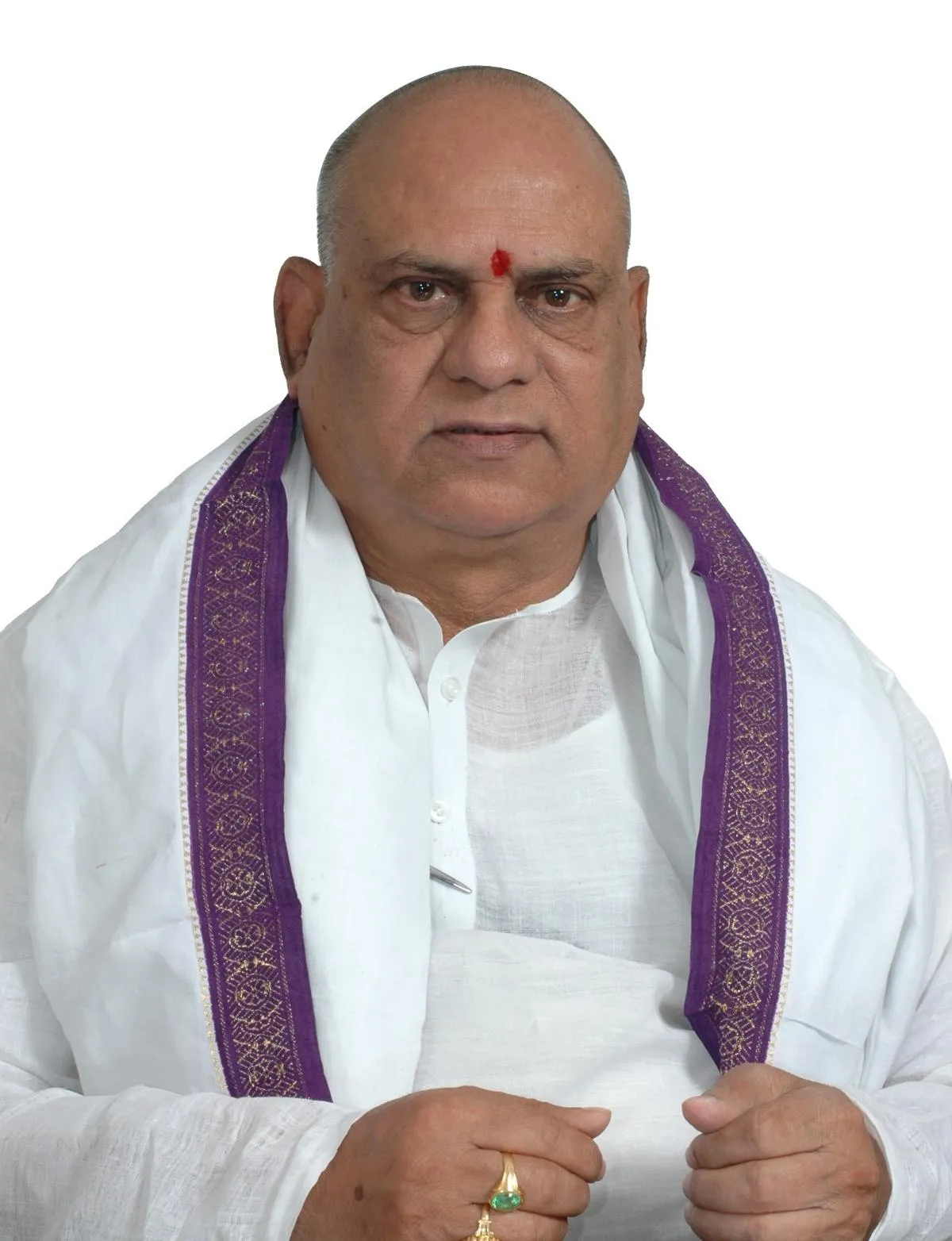
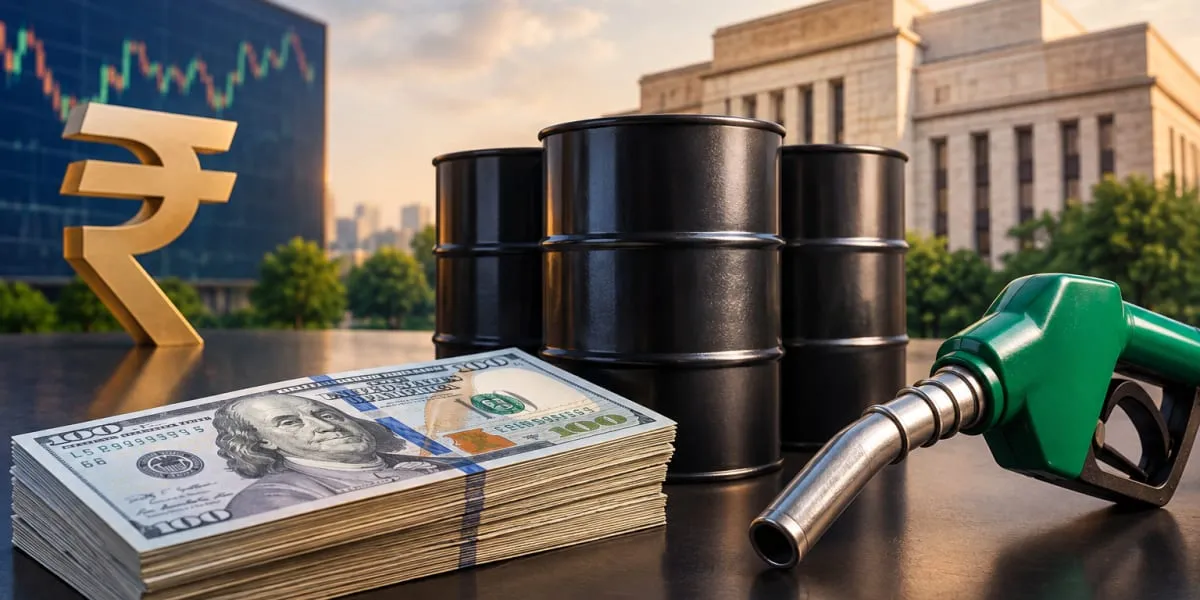
The Minister of Road Transport and Highways, Nitin Gadkari, told the media that the government is implementing a scheme to raise funds from the public at a 6% annual rate of interest for road infrastructure projects.

He said that the funds would be raised from the poor and ordinary people and provide an annual rate of interest, which is higher than what banks provide. It will benefit the public as they will get a fixed return.

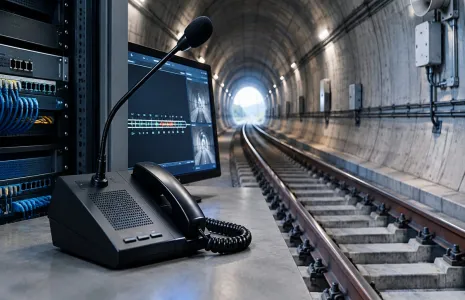
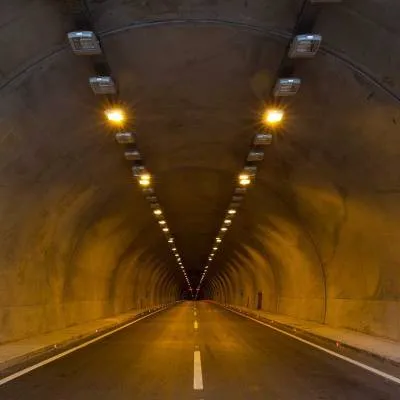
He added that the Zoji La tunnel on the Srinagar-Leh highway will be completed before 2024, and the Z-Morh tunnel will be completed in the next three months.

The Zoji La tunnel is being constructed below Kargil and will be completed in 3.5 years. In this project, around 1,000 laborers are working at -8 degrees temperature.

Gadkari said that the proposed cost of the tunnel in the tender was Rs 11,000 crore, but the government made special efforts to lower the cost by Rs 5,000 crore.

The Z-Morh tunnel will reduce traveling time between Leh and Ladakh by six hours.

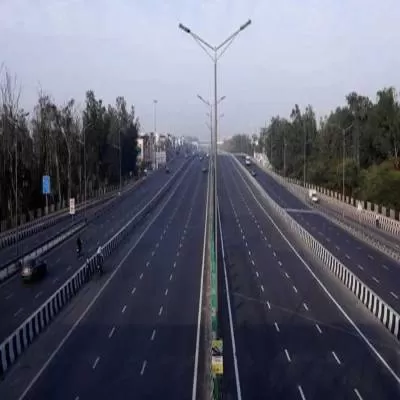
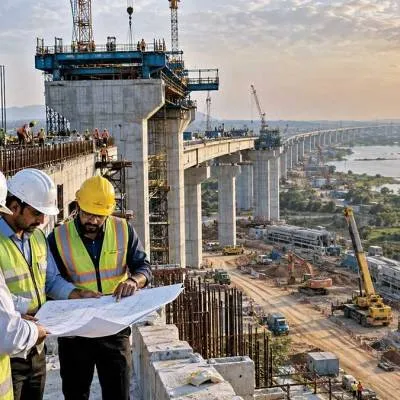
He added that 24 green expressway highways of a total of 8,000 km are being constructed, which will transform road infrastructure in India.

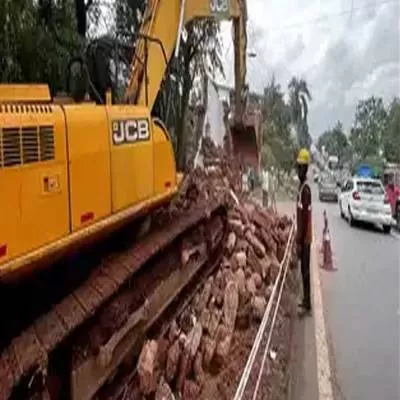
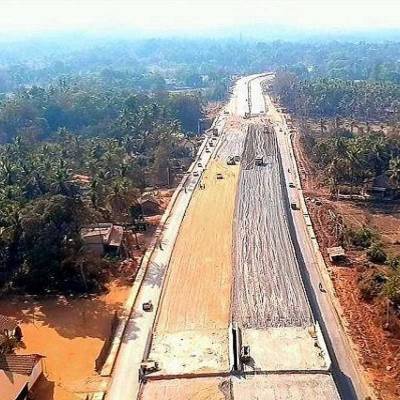
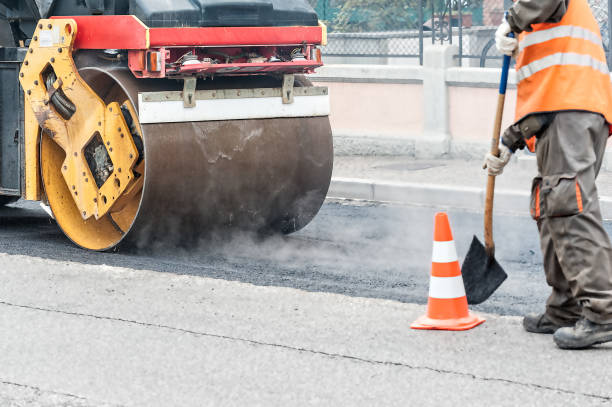
The speed of road constructions increased over the last seven years, with no shortage of funds for implementing road projects. Earlier in 2014, the pace of road construction was 12.7 km per day, and many projects had stalled due to the issue of land acquisition, financial crisis and court cases. Currently, the pace of road construction has increased to 38 km per day and will reach 45 km per day by the end of FY21-22.

He said that India would soon be a prosperous country as its road infrastructure would meet the standards of the US and Europe.

After PM Narendra Modi came into power, the government reviewed 406 stalled projects of Rs 3.85 lakh crore and restarted them, which rescued the banks from the non-performing asset (NPA) of Rs 3 lakh crore, Gadkari said.

He added that highway road construction has increased by 55% to 1,40,936 km and will increase to 2 lakh km under the Gati Shakti Bharatmala project.

Image Source

The Minister of Road Transport and Highways, Nitin Gadkari, told the media that the government is implementing a scheme to raise funds from the public at a 6% annual rate of interest for road infrastructure projects. He said that the funds would be raised from the poor and ordinary people and provide an annual rate of interest, which is higher than what banks provide. It will benefit the public as they will get a fixed return. He added that the Zoji La tunnel on the Srinagar-Leh highway will be completed before 2024, and the Z-Morh tunnel will be completed in the next three months. The Zoji La tunnel is being constructed below Kargil and will be completed in 3.5 years. In this project, around 1,000 laborers are working at -8 degrees temperature. Gadkari said that the proposed cost of the tunnel in the tender was Rs 11,000 crore, but the government made special efforts to lower the cost by Rs 5,000 crore. The Z-Morh tunnel will reduce traveling time between Leh and Ladakh by six hours. He added that 24 green expressway highways of a total of 8,000 km are being constructed, which will transform road infrastructure in India. The speed of road constructions increased over the last seven years, with no shortage of funds for implementing road projects. Earlier in 2014, the pace of road construction was 12.7 km per day, and many projects had stalled due to the issue of land acquisition, financial crisis and court cases. Currently, the pace of road construction has increased to 38 km per day and will reach 45 km per day by the end of FY21-22. He said that India would soon be a prosperous country as its road infrastructure would meet the standards of the US and Europe. After PM Narendra Modi came into power, the government reviewed 406 stalled projects of Rs 3.85 lakh crore and restarted them, which rescued the banks from the non-performing asset (NPA) of Rs 3 lakh crore, Gadkari said. He added that highway road construction has increased by 55% to 1,40,936 km and will increase to 2 lakh km under the Gati Shakti Bharatmala project. Image Source

Next Story
Infrastructure Urban

Implementation Status of Jal Jeevan Mission

Since August 2019 the Government has implemented Jal Jeevan Mission to provide assured potable water through household tap connections in rural India. At the start of the mission only 32.3 million (mn) rural households, representing 16.7 per cent, were reported to have tap water connections. States and union territories have reported that 125.8 mn additional rural households have since been provided with tap connections. As a result, of about 193.6 mn rural households roughly 158.2 mn, or 81.71 per cent, are reported to have tap water supply at home.\n\nThe State, district and village level st..

Next Story
Infrastructure Urban

Jal Jeevan Mission Reaches Eighty One Per Cent Rural Coverage

The Government reported substantial progress under the Jal Jeevan Mission, launched in August 2019 to provide tap water to every rural household. At launch only 32.3 million (mn) rural households had tap connections and states and Union territories reported provision of 125.8 mn additional households by March 2026. Consequently, out of about 193.6 mn rural households around 158.2 mn, or 81.71 per cent, are reported to have tap water at home. The Finance Minister announced extension of the mission until 2028 in the 2025-26 budget speech. The Swachh Bharat Mission Grameen, launched in October 20..

Next Story
Infrastructure Urban

Empowering Local Governance for Sustainable Rural Water Supply

The Ministry of Jal Shakti has aligned the Jal Jeevan Mission (JJM) with the 73rd Amendment to strengthen village level planning and community ownership of water supply. Gram Panchayats, village water and sanitation committees and Pani Samitis are to plan, implement, manage and maintain piped water systems, with gram sabha processes formalising handover and oversight. Implementation support agencies including non government organisations, community based organisations and self help groups have been empanelled to train local committees and promote women participation. Under JJM, the department ..

Advertisement

Subscribe to Our Newsletter

Get daily newsletters around different themes from Construction world.

STAY CONNECTED

Advertisement

Advertisement

Advertisement