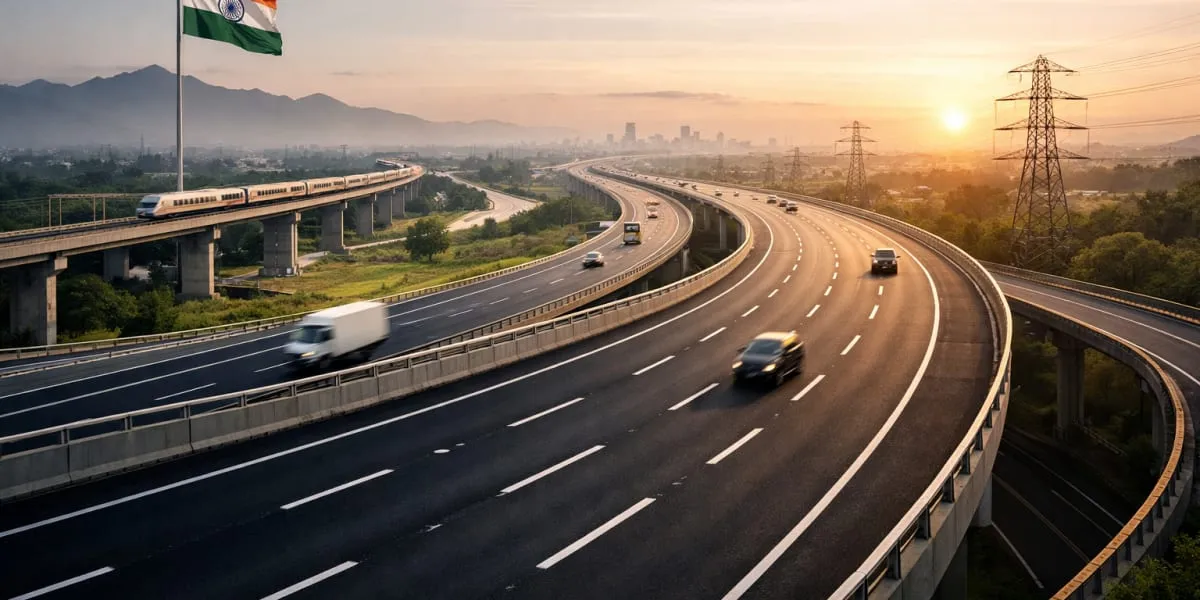
Highways Transformation Powering India's Journey Towards Viksit Bharat
ROADS & HIGHWAYS

Highways Transformation Powering India's Journey Towards Viksit Bharat

India's road network has changed markedly over the past 12 years as the ministry expanded connectivity, improved logistics and eased travel. The Bharatmala Pariyojana, approved in October 2017, targets 34,800 kilometres of corridors with an estimated outlay of Rs 5.35 trillion (tn). By March 2026 projects covering 26,425 kilometres had been awarded and 22,590 kilometres completed.

National Highway length rose from about 91,287 kilometres in 2014 to over 146,572 kilometres in fiscal 2025-26, an increase of nearly 61 per cent. Construction speed climbed from roughly 11.6 kilometres per day in 2013-14 to nearly 34 kilometres per day in 2025, driven by reforms and better execution. A study by the Indian Institute of Management Bangalore found that highways reduced average logistics costs.

The Delhi–Mumbai Expressway, planned at 1,386 kilometres with a projected cost of about Rs 1 tn, will link six states and had sections inaugurated progressively by the Prime Minister. The 246-kilometre Delhi–Dausa–Lalsot stretch was built at a cost of over Rs 120 billion (bn) and the 87-kilometre Vadodara–Bharuch section opened in 2024; Gujarat sections of 36 kilometres and 27.5 kilometres followed in 2026. The expressway is expected to shorten travel and boost freight efficiency along its corridor.

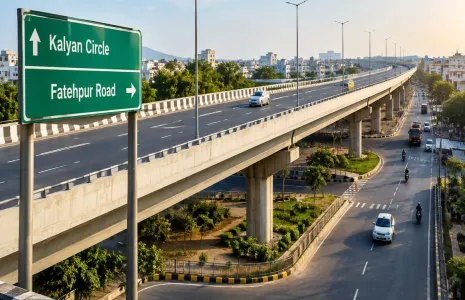
Regional projects include the Delhi–Meerut Expressway, spanning about 82 kilometres and developed at around Rs 83.46 billion (bn), and the Dwarka Expressway of 29 kilometres built for about Rs 90 billion (bn). The Bengaluru–Mysuru Expressway of 118 kilometres was completed for about Rs 84.8 billion (bn) and reduced the journey from nearly three hours to 75 minutes. These corridors use modern interchanges and traffic management to ease congestion and support commerce.

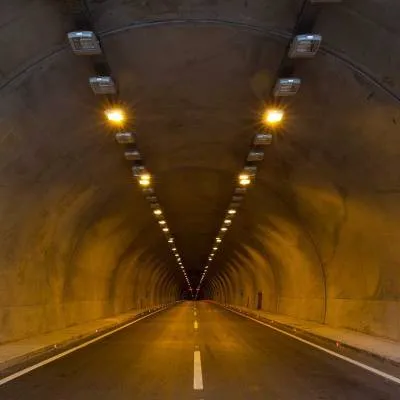
The Delhi–Dehradun Economic Corridor is a 213-kilometre six-lane route developed at about Rs 120 billion (bn) that cut travel from over six hours to around two and a half hours. It includes a 20-kilometre sensitive stretch with a 12-kilometre elevated wildlife corridor and a 370-metre tunnel. The ministry describes these outcomes as central to the Viksit Bharat vision.

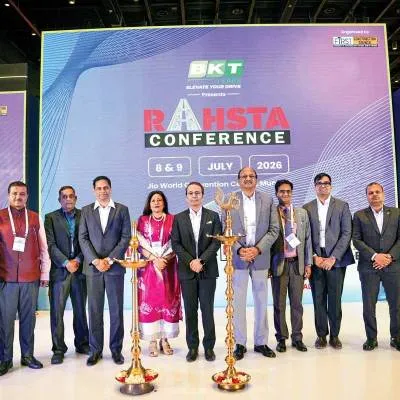
"Join industry leaders at RAHSTA Expo, India's premier platform for roads, highways and traffic infrastructure. Register now to explore innovations, network with experts and shape the future of mobility."

India's road network has changed markedly over the past 12 years as the ministry expanded connectivity, improved logistics and eased travel. The Bharatmala Pariyojana, approved in October 2017, targets 34,800 kilometres of corridors with an estimated outlay of Rs 5.35 trillion (tn). By March 2026 projects covering 26,425 kilometres had been awarded and 22,590 kilometres completed. National Highway length rose from about 91,287 kilometres in 2014 to over 146,572 kilometres in fiscal 2025-26, an increase of nearly 61 per cent. Construction speed climbed from roughly 11.6 kilometres per day in 2013-14 to nearly 34 kilometres per day in 2025, driven by reforms and better execution. A study by the Indian Institute of Management Bangalore found that highways reduced average logistics costs. The Delhi–Mumbai Expressway, planned at 1,386 kilometres with a projected cost of about Rs 1 tn, will link six states and had sections inaugurated progressively by the Prime Minister. The 246-kilometre Delhi–Dausa–Lalsot stretch was built at a cost of over Rs 120 billion (bn) and the 87-kilometre Vadodara–Bharuch section opened in 2024; Gujarat sections of 36 kilometres and 27.5 kilometres followed in 2026. The expressway is expected to shorten travel and boost freight efficiency along its corridor. Regional projects include the Delhi–Meerut Expressway, spanning about 82 kilometres and developed at around Rs 83.46 billion (bn), and the Dwarka Expressway of 29 kilometres built for about Rs 90 billion (bn). The Bengaluru–Mysuru Expressway of 118 kilometres was completed for about Rs 84.8 billion (bn) and reduced the journey from nearly three hours to 75 minutes. These corridors use modern interchanges and traffic management to ease congestion and support commerce. The Delhi–Dehradun Economic Corridor is a 213-kilometre six-lane route developed at about Rs 120 billion (bn) that cut travel from over six hours to around two and a half hours. It includes a 20-kilometre sensitive stretch with a 12-kilometre elevated wildlife corridor and a 370-metre tunnel. The ministry describes these outcomes as central to the Viksit Bharat vision.

Next Story
Infrastructure Energy

Repos Energy Showcases Autonomous Fuelling Solution at VivaTech

Repos Energy showcased its Autonomous Fuelling Solution at VivaTech Paris 2026, demonstrating an AI- and robotics-driven model for future fuel stations at the India Pavilion during Europe's largest technology and innovation summit.The Pune-based energy-tech company was among 25 Indian startups selected by the Department for Promotion of Industry and Internal Trade (DPIIT) under the 'Bharat Innovates' theme to represent the country at the event. This year's edition of VivaTech marked India's debut as the AI Country Partner, with the country hosting its largest-ever national pavilion at the summ..

Next Story
Infrastructure Urban

Axis Solutions Unveils Engineered Product For Industrial Use

Axis Solutions Limited (Axis Solutions) has announced a new product line designed and developed in India and engineered for industrial applications. The initiative reflects a strategic focus on domestic manufacturing and on delivering engineering solutions tailored to factory and process environments. The company emphasised integration of local design expertise with production capabilities to meet industrial reliability and serviceability requirements. It places emphasis on component traceability, long term reliability and on-field serviceability to reduce downtime for end users. The architect..

Next Story
Real Estate

B-Right RealEstate Wins Excellence In Integrated Property Solutions

B-Right RealEstate Limited has been conferred the Excellence in Integrated Property Solutions award at the Crafting Bharat Business Conclave and Awards 2026. The recognition reflects the company's commitment to integrated property development, project execution and redevelopment across Mumbai micro-markets. The company noted the award as a testament to stakeholder trust and its focus on sustainable urban transformation. The event brought together industry leaders and changemakers from across the country. The chairman said that fiscal year 2026 had been a landmark year with revenue up by 62 per..

Advertisement

Subscribe to Our Newsletter

Get daily newsletters around different themes from Construction world.

STAY CONNECTED

Advertisement

Advertisement

Advertisement