


+
Indias Transformative Elevated Expressways
ROADS & HIGHWAYS

Indias Transformative Elevated Expressways

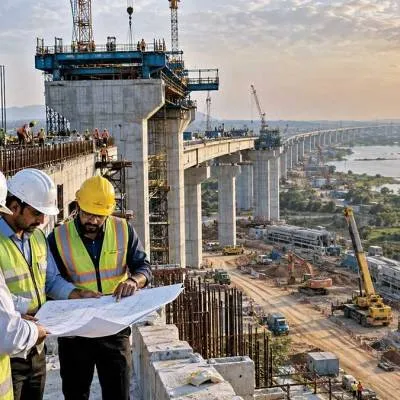
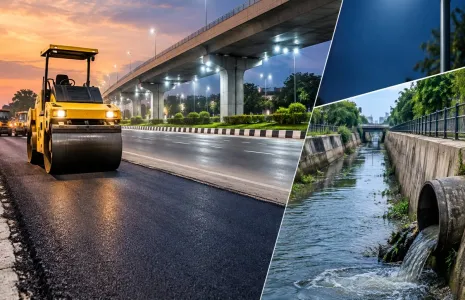
India is witnessing a transformative wave in urban transportation with the development of some of the longest elevated expressways across the country. These infrastructural marvels not only redefine cityscapes but also play a crucial role in improving connectivity and reducing congestion.

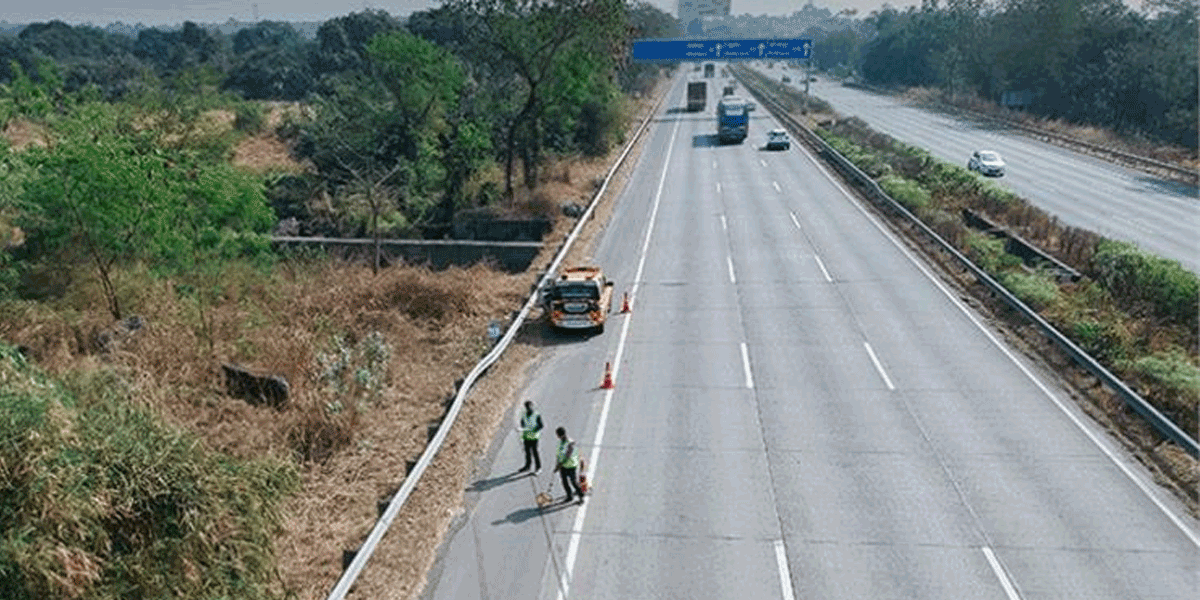
1. Mumbai-Pune Expressway: Connecting two major cities, this elevated expressway is a key corridor, reducing travel time and enhancing regional connectivity.

2. Yamuna Expressway (Delhi to Agra): Spanning a significant distance, this expressway facilitates smoother travel between Delhi and Agra, reducing the journey time significantly.

3. Eastern Freeway (Mumbai): Offering a scenic route, this elevated expressway improves connectivity in Mumbai, reducing traffic congestion.

4. Hyderabad Elevated Expressway: Elevating the commuting experience in Hyderabad, this expressway enhances connectivity within the city.

5. Chennai Outer Ring Road: Encircling Chennai, this elevated expressway streamlines traffic flow and supports the growing transportation needs of the city.

6. Ahmedabad Vadodara Expressway: Connecting two major cities in Gujarat, this expressway contributes to economic development and regional connectivity.

7. Pune Metro Corridor: Aiming to redefine Pune's transportation landscape, this elevated corridor promises efficient and rapid connectivity within the city.

8. Kolkata East-West Metro: Enhancing Kolkata's public transportation, this elevated metro corridor is a vital component of the city's evolving infrastructure.

9. Lucknow Outer Ring Road: Focusing on improving connectivity in Lucknow, this elevated expressway is a significant step in addressing traffic challenges.

10. Noida-Greater Noida Expressway: Playing a pivotal role in the NCR region, this expressway connects Noida and Greater Noida, supporting the burgeoning urban landscape.

These elevated expressways stand as a testament to India's commitment to modernizing its transportation infrastructure, providing citizens with efficient and well-connected urban spaces.

India is witnessing a transformative wave in urban transportation with the development of some of the longest elevated expressways across the country. These infrastructural marvels not only redefine cityscapes but also play a crucial role in improving connectivity and reducing congestion. 1. Mumbai-Pune Expressway: Connecting two major cities, this elevated expressway is a key corridor, reducing travel time and enhancing regional connectivity. 2. Yamuna Expressway (Delhi to Agra): Spanning a significant distance, this expressway facilitates smoother travel between Delhi and Agra, reducing the journey time significantly. 3. Eastern Freeway (Mumbai): Offering a scenic route, this elevated expressway improves connectivity in Mumbai, reducing traffic congestion. 4. Hyderabad Elevated Expressway: Elevating the commuting experience in Hyderabad, this expressway enhances connectivity within the city. 5. Chennai Outer Ring Road: Encircling Chennai, this elevated expressway streamlines traffic flow and supports the growing transportation needs of the city. 6. Ahmedabad Vadodara Expressway: Connecting two major cities in Gujarat, this expressway contributes to economic development and regional connectivity. 7. Pune Metro Corridor: Aiming to redefine Pune's transportation landscape, this elevated corridor promises efficient and rapid connectivity within the city. 8. Kolkata East-West Metro: Enhancing Kolkata's public transportation, this elevated metro corridor is a vital component of the city's evolving infrastructure. 9. Lucknow Outer Ring Road: Focusing on improving connectivity in Lucknow, this elevated expressway is a significant step in addressing traffic challenges. 10. Noida-Greater Noida Expressway: Playing a pivotal role in the NCR region, this expressway connects Noida and Greater Noida, supporting the burgeoning urban landscape. These elevated expressways stand as a testament to India's commitment to modernizing its transportation infrastructure, providing citizens with efficient and well-connected urban spaces.

Related Stories

Gold Stories

Next Story
Infrastructure Transport

India To Build 100 New Airports Under UDAN Plan

The Civil Aviation Minister K Rammohan Naidu said that India will build 100 new airports over the next 10 years under the Centre's Regional Connectivity Scheme — Modified UDAN (UDAN) with an outlay of Rs 300 billion (Rs 300 bn). He inaugurated the country's third hub-and-spoke operation from Ahmedabad, intended to link passengers seamlessly to international destinations through domestic hubs. The minister indicated that the initiative forms part of a sustained expansion of air connectivity across the nation. Naidu recalled that there were 74 airports in 2014 and that the network has expanded..

Next Story
Infrastructure Urban

Auto PLI Draws Rs 454.77 Billion Investment Creates Over 67,000 Jobs

Union Minister for Heavy Industries and Steel HD Kumaraswamy said the production-linked incentive scheme for automobiles and auto components had attracted Rs 454.77 billion (Rs 454.77 bn) in investment and generated more than 67,000 jobs as of 30 June 2026. He told the Automotive Component Manufacturers Association of India that the next phase should focus on scale, deeper localisation, innovation and positioning India as a global hub for advanced and green mobility technologies. The minister urged industry to invest in cleaner technologies to help lead the global mobility transition. The gove..

Next Story
Infrastructure Energy

Coal India Production Falls in August as Supplies Rise

Coal India Limited's production declined five point seven per cent year-on-year in August 2026, while coal supplies rose five point five per cent during the month. The company produced 47.5 million tonnes (mn t) of coal in August, down from 50.4 mn t in the same month last year. Offtake rose to 60.6 mn t from 57.4 mn t a year earlier. Over the first five months of the current financial year, cumulative production during April–August was 267.5 mn t, down four point five per cent from 280.2 mn t a year earlier. Cumulative coal supplies rose six point seven per cent to 322.9 mn t in April–Aug..

Advertisement

Subscribe to Our Newsletter

Get daily newsletters around different themes from Construction world.

STAY CONNECTED

Advertisement

SPECIAL OFFER
QR Code