+
Infrastructure being built in Arunachal along international borders
ROADS & HIGHWAYS

Infrastructure being built in Arunachal along international borders

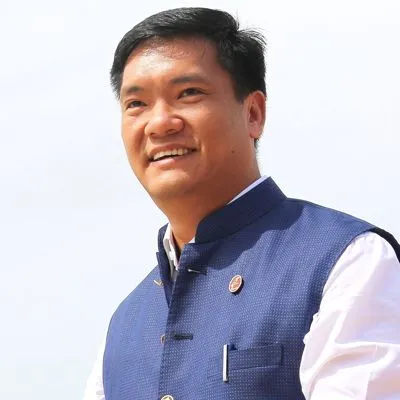
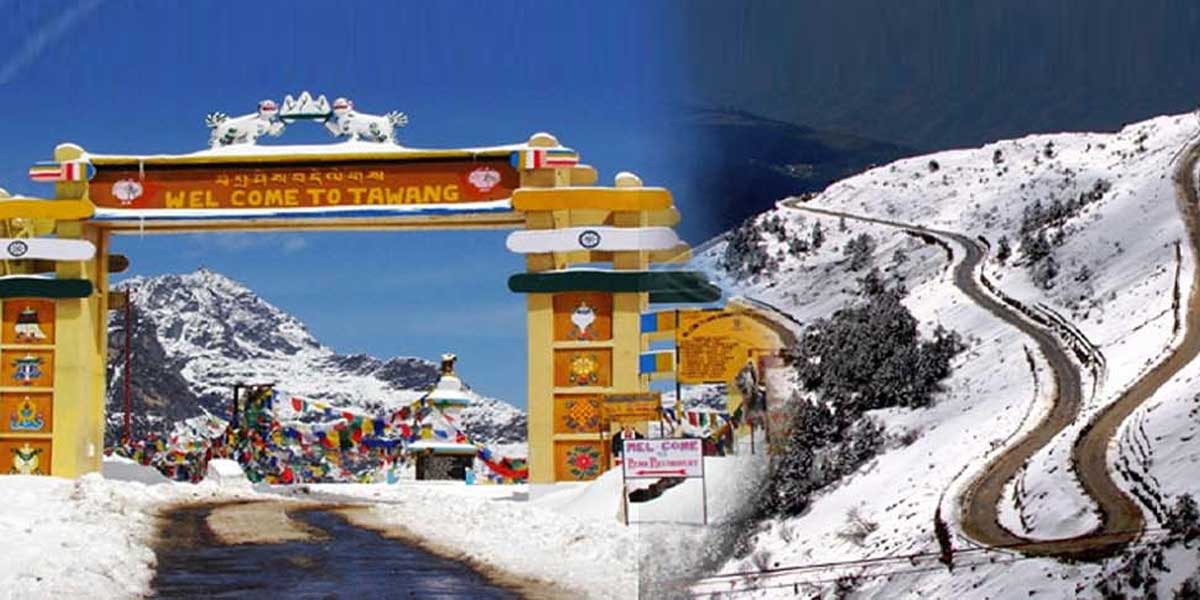
The Arunachal Pradesh government has implemented various infrastructure development programs in the northeastern state's border regions with China, Bhutan, and Myanmar, according to Deputy Chief Minister Chowna Mein. The deputy chief minister noted that infrastructure had been developed in 65 model villages under the Border Area Development Programme (BADP). Mein stated this in response to Congress MLA Ninong Ering's question about the state government's steps to address China's construction activities along the international border with India.

Mein further said that four new Vivekananda Kendra Vidyalayas (VKVs) and four existing schools had been upgraded under BADP, costing an estimated INR 800 million. He also mentioned that eight model schools had been established in the border area during 2017-18.

The deputy chief minister added that to address infrastructure gaps at the border, development projects like road connectivity, foot suspension bridges, health facilities, drinking water, and electricity facilities had been provided through the normal allocation of BADP funds and from the state's fund.

Moreover, the Centre had sanctioned the ambitious Frontier Highway, connecting all the border areas of the state from East to West, at an estimated cost of INR 440,00 million.

The Vibrant Villages Programme (VVP), launched by the Centre in September 2021 with a financial allocation of INR 480,00 million aims at the comprehensive development of villages in border areas to improve the quality of life of people. This, in turn, would help in encouraging people to stay in their native locations in border areas and reversing migration. The VVP will provide funds for the development of essential infrastructure and the creation of livelihood opportunities in 19 districts and 46 border blocks in four states and one union territory along the border of the country.

In addition, Mein stated that the state government would provide top-up funds in the vibrant village programme along with executing standalone power projects in border areas of the state.

The Arunachal Pradesh government has implemented various infrastructure development programs in the northeastern state's border regions with China, Bhutan, and Myanmar, according to Deputy Chief Minister Chowna Mein. The deputy chief minister noted that infrastructure had been developed in 65 model villages under the Border Area Development Programme (BADP). Mein stated this in response to Congress MLA Ninong Ering's question about the state government's steps to address China's construction activities along the international border with India. Mein further said that four new Vivekananda Kendra Vidyalayas (VKVs) and four existing schools had been upgraded under BADP, costing an estimated INR 800 million. He also mentioned that eight model schools had been established in the border area during 2017-18. The deputy chief minister added that to address infrastructure gaps at the border, development projects like road connectivity, foot suspension bridges, health facilities, drinking water, and electricity facilities had been provided through the normal allocation of BADP funds and from the state's fund. Moreover, the Centre had sanctioned the ambitious Frontier Highway, connecting all the border areas of the state from East to West, at an estimated cost of INR 440,00 million. The Vibrant Villages Programme (VVP), launched by the Centre in September 2021 with a financial allocation of INR 480,00 million aims at the comprehensive development of villages in border areas to improve the quality of life of people. This, in turn, would help in encouraging people to stay in their native locations in border areas and reversing migration. The VVP will provide funds for the development of essential infrastructure and the creation of livelihood opportunities in 19 districts and 46 border blocks in four states and one union territory along the border of the country. In addition, Mein stated that the state government would provide top-up funds in the vibrant village programme along with executing standalone power projects in border areas of the state.

Related Stories

Gold Stories

Next Story
Infrastructure Urban

KONE Opens India's First Digital Experience Centre in Pune

KONE, a global elevator and escalator manufacturer, has inaugurated its first Digital Experience Centre (DEC) in India, located in Pune. The facility aims to showcase how artificial intelligence (AI), connectivity and data-driven technologies can enhance customer experiences and improve building operations.The centre was inaugurated by Jussi Herlin, Executive Vice Chair, KONE Corporation; Philippe Delorme, President and CEO, KONE; and Nandan Nilekani, Co-founder and Chairman of the Board, Infosys.Designed as an interactive customer environment, the facility demonstrates digital solutions cover..

Next Story
Infrastructure Urban

CII GreenCo Launches Circularity Guidelines for Indian Industry

The Confederation of Indian Industry (CII) GreenCo Council has launched the CII GreenCo Circularity Guidelines – Pilot Version at the 17th CII GreenCo Waste & Resource Management Summit 2026 in Chennai. The initiative aims to strengthen resource efficiency, waste reduction and circular economy practices across Indian manufacturing and process industries.The guidelines introduce a structured framework with circularity indices covering raw materials, consumables, packaging and other resource inputs. These indicators will help industries assess existing practices, identify opportunities to ..

Next Story
Infrastructure Energy

Global Electronics Association Launches IPC-1783-CO2E Standard

The Global Electronics Association has introduced IPC-1783-CO2E, a new international standard aimed at improving consistency, transparency and comparability in product carbon footprint reporting across the electronics manufacturing industry.The standard, titled International Standard for Data Collection and Reporting of CO2 Equivalent (CO2e) Emissions for the Electronics Manufacturing Supply Chain, provides industry-specific guidance for collecting, estimating and reporting carbon emissions data.With increasing regulatory requirements and customer expectations, electronics manufacturers face c..

Advertisement

Subscribe to Our Newsletter

Get daily newsletters around different themes from Construction world.

STAY CONNECTED

Advertisement

SPECIAL OFFER
QR Code