


Kolkata's KMDA Spurs Post-Election Infrastructure
ROADS & HIGHWAYS

Kolkata's KMDA Spurs Post-Election Infrastructure

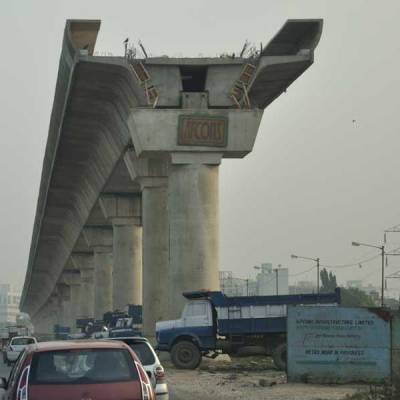
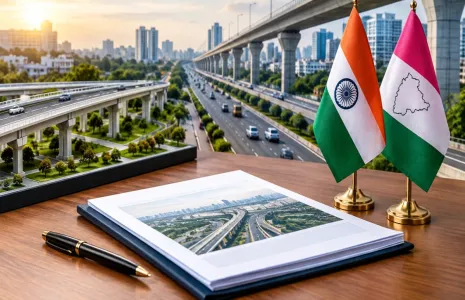
The Kolkata Metropolitan Development Authority (KMDA) is taking decisive steps to bolster the city's transport infrastructure following the recent Lok Sabha elections. With an eye on enhancing connectivity and alleviating congestion, KMDA has embarked on several key projects aimed at modernising and expanding the city's transportation network.

One of the primary focuses of KMDA's initiatives is the augmentation of road infrastructure. With the burgeoning population and increasing vehicular traffic, there's an urgent need for wider roads and smoother traffic flow. To address this, KMDA is undertaking road widening projects and implementing innovative traffic management solutions to ease the daily commute for millions of residents.

Moreover, KMDA is laying emphasis on bolstering public transportation systems to provide efficient and sustainable mobility options. The expansion of the metro rail network, along with the introduction of new bus routes and the enhancement of existing ones, forms a crucial aspect of this endeavour. By investing in public transport, KMDA aims to reduce the dependency on private vehicles, thereby curbing pollution and promoting eco-friendly commuting alternatives.

Furthermore, KMDA's vision encompasses the development of integrated transport hubs to streamline intermodal connectivity. These hubs will serve as seamless transfer points between different modes of transportation, facilitating smoother transitions for commuters and enhancing overall travel experience.

In addition to physical infrastructure, KMDA is also leveraging technology to modernise transport management systems. Implementation of intelligent traffic management systems, real-time monitoring of traffic flow, and integration of smart mobility solutions are among the key strategies being adopted to ensure efficient operation and management of the city's transport network.

In conclusion, KMDA's proactive approach towards enhancing transport infrastructure underscores its commitment to fostering sustainable urban development and improving the quality of life for Kolkata's residents. Through strategic investments and innovative solutions, KMDA is steering Kolkata towards a more connected and vibrant future.

The Kolkata Metropolitan Development Authority (KMDA) is taking decisive steps to bolster the city's transport infrastructure following the recent Lok Sabha elections. With an eye on enhancing connectivity and alleviating congestion, KMDA has embarked on several key projects aimed at modernising and expanding the city's transportation network. One of the primary focuses of KMDA's initiatives is the augmentation of road infrastructure. With the burgeoning population and increasing vehicular traffic, there's an urgent need for wider roads and smoother traffic flow. To address this, KMDA is undertaking road widening projects and implementing innovative traffic management solutions to ease the daily commute for millions of residents. Moreover, KMDA is laying emphasis on bolstering public transportation systems to provide efficient and sustainable mobility options. The expansion of the metro rail network, along with the introduction of new bus routes and the enhancement of existing ones, forms a crucial aspect of this endeavour. By investing in public transport, KMDA aims to reduce the dependency on private vehicles, thereby curbing pollution and promoting eco-friendly commuting alternatives. Furthermore, KMDA's vision encompasses the development of integrated transport hubs to streamline intermodal connectivity. These hubs will serve as seamless transfer points between different modes of transportation, facilitating smoother transitions for commuters and enhancing overall travel experience. In addition to physical infrastructure, KMDA is also leveraging technology to modernise transport management systems. Implementation of intelligent traffic management systems, real-time monitoring of traffic flow, and integration of smart mobility solutions are among the key strategies being adopted to ensure efficient operation and management of the city's transport network. In conclusion, KMDA's proactive approach towards enhancing transport infrastructure underscores its commitment to fostering sustainable urban development and improving the quality of life for Kolkata's residents. Through strategic investments and innovative solutions, KMDA is steering Kolkata towards a more connected and vibrant future.

Related Stories

Gold Stories

Next Story
Infrastructure Urban

KONE Opens India's First Digital Experience Centre in Pune

KONE, a global elevator and escalator manufacturer, has inaugurated its first Digital Experience Centre (DEC) in India, located in Pune. The facility aims to showcase how artificial intelligence (AI), connectivity and data-driven technologies can enhance customer experiences and improve building operations.The centre was inaugurated by Jussi Herlin, Executive Vice Chair, KONE Corporation; Philippe Delorme, President and CEO, KONE; and Nandan Nilekani, Co-founder and Chairman of the Board, Infosys.Designed as an interactive customer environment, the facility demonstrates digital solutions cover..

Next Story
Infrastructure Urban

CII GreenCo Launches Circularity Guidelines for Indian Industry

The Confederation of Indian Industry (CII) GreenCo Council has launched the CII GreenCo Circularity Guidelines – Pilot Version at the 17th CII GreenCo Waste & Resource Management Summit 2026 in Chennai. The initiative aims to strengthen resource efficiency, waste reduction and circular economy practices across Indian manufacturing and process industries.The guidelines introduce a structured framework with circularity indices covering raw materials, consumables, packaging and other resource inputs. These indicators will help industries assess existing practices, identify opportunities to ..

Next Story
Infrastructure Energy

Global Electronics Association Launches IPC-1783-CO2E Standard

The Global Electronics Association has introduced IPC-1783-CO2E, a new international standard aimed at improving consistency, transparency and comparability in product carbon footprint reporting across the electronics manufacturing industry.The standard, titled International Standard for Data Collection and Reporting of CO2 Equivalent (CO2e) Emissions for the Electronics Manufacturing Supply Chain, provides industry-specific guidance for collecting, estimating and reporting carbon emissions data.With increasing regulatory requirements and customer expectations, electronics manufacturers face c..

Advertisement

Subscribe to Our Newsletter

Get daily newsletters around different themes from Construction world.

STAY CONNECTED

Advertisement

SPECIAL OFFER
QR Code