
Loutolim Residents Upset Over Borim Bridge Project
ROADS & HIGHWAYS

Loutolim Residents Upset Over Borim Bridge Project

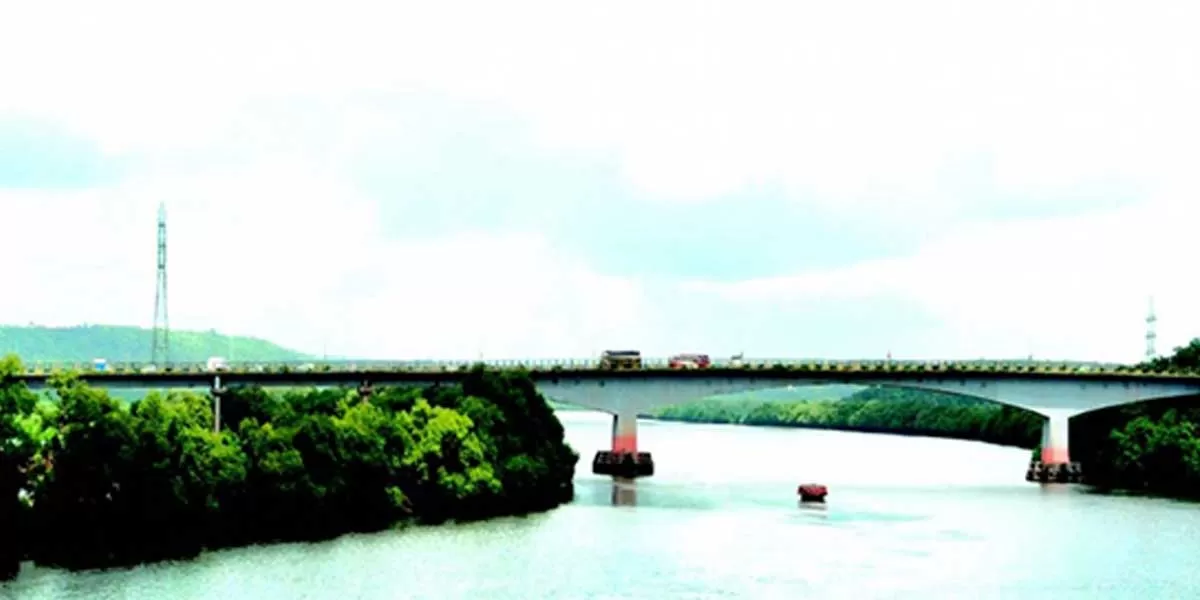
Residents of Loutolim in Goa are expressing frustration over the lack of transparency surrounding the Borim Bridge project. The villagers are demanding clarity and openness from authorities regarding the details and progress of the project, citing concerns about its impact on their community and environment.

The Borim Bridge project, aimed at enhancing connectivity and infrastructure in the region, has been a subject of contention among Loutolim residents. Many locals feel that they have been kept in the dark about crucial aspects of the project, including its design, timeline, and potential consequences.

According to villagers, the lack of transparency has led to speculation and anxiety about the project's implications for their livelihoods and surroundings. They are urging authorities to engage in meaningful dialogue with the community and address their concerns in a transparent and inclusive manner.

The discontent among Loutolim residents highlights the importance of transparent and participatory decision-making processes in infrastructure development projects. Effective communication and engagement with local stakeholders are essential to building trust and ensuring the successful implementation of such initiatives.

Amidst mounting frustration and uncertainty, villagers are calling for greater accountability and transparency from authorities overseeing the Borim Bridge project. They emphasize the need for transparency in decision-making, access to information, and opportunities for community input and feedback.

As the controversy surrounding the Borim Bridge project continues to escalate, it underscores the broader challenges associated with infrastructure development in Goa and the importance of balancing progress with community interests and environmental concerns. Residents remain determined to advocate for transparency and accountability in the project's execution, underscoring the significance of community empowerment in shaping the region's development trajectory.

"Join industry leaders at RAHSTA Expo, India's premier platform for roads, highways and traffic infrastructure. Register now to explore innovations, network with experts and shape the future of mobility."

Residents of Loutolim in Goa are expressing frustration over the lack of transparency surrounding the Borim Bridge project. The villagers are demanding clarity and openness from authorities regarding the details and progress of the project, citing concerns about its impact on their community and environment. The Borim Bridge project, aimed at enhancing connectivity and infrastructure in the region, has been a subject of contention among Loutolim residents. Many locals feel that they have been kept in the dark about crucial aspects of the project, including its design, timeline, and potential consequences. According to villagers, the lack of transparency has led to speculation and anxiety about the project's implications for their livelihoods and surroundings. They are urging authorities to engage in meaningful dialogue with the community and address their concerns in a transparent and inclusive manner. The discontent among Loutolim residents highlights the importance of transparent and participatory decision-making processes in infrastructure development projects. Effective communication and engagement with local stakeholders are essential to building trust and ensuring the successful implementation of such initiatives. Amidst mounting frustration and uncertainty, villagers are calling for greater accountability and transparency from authorities overseeing the Borim Bridge project. They emphasize the need for transparency in decision-making, access to information, and opportunities for community input and feedback. As the controversy surrounding the Borim Bridge project continues to escalate, it underscores the broader challenges associated with infrastructure development in Goa and the importance of balancing progress with community interests and environmental concerns. Residents remain determined to advocate for transparency and accountability in the project's execution, underscoring the significance of community empowerment in shaping the region's development trajectory.

Next Story
Infrastructure Transport

Third Railway Line Between Tatanagar And Adityapur Likely By September

The third railway line between Tatanagar and Adityapur is expected to be commissioned by September as work on the corridor advances, according to railway sources. The project to add a fourth line on the busy route is progressing and has been allocated Rs 50.89 billion (bn) in funding. The allocation underscores the focus on increasing capacity and easing congestion on the corridor. Relevant timetables are being adjusted to integrate the new capacity into regular operations. Construction activity has involved track laying, formation work and signalling upgrades along strategic stretches, with m..

Next Story
Infrastructure Transport

Indian Railways Approves Rs 2.7 bn Kavach Rollout in Odisha

Indian Railways has approved a Rs 2.7 billion (Rs 2.7 bn) plan to install the Kavach train collision avoidance system on 631 route kilometres in the East Coast Railway zone. The Ministry of Railways said the work will form part of a wider Kavach deployment programme that relies on an LTE based communication backbone rather than a standalone installation. The approval marks the latest stage in the steady expansion of the indigenous safety technology across the national network. The decision aims to enhance safety and reliability on corridors serving Odisha and adjoining areas. The project will ..

Next Story
Infrastructure Transport

Indian Railways Accelerates Modernisation Drive

Indian Railways utilised nearly 30 per cent of its capital expenditure budget for FY2026-27 within the first two months of the financial year, spending more than Rs 840 billion (bn) in April and May against a planned outlay of Rs 2.93 trillion (tn) for the year. The Union Budget allocated Rs 2.93 tn in total capex, comprising Rs 2.81 tn through gross budgetary support and Rs 120 bn from extra-budgetary resources. The early absorption indicates robust project execution and an aggressive infrastructure push. A significant share of the spending is being channelled towards track infrastructure, in..

Advertisement

Subscribe to Our Newsletter

Get daily newsletters around different themes from Construction world.

STAY CONNECTED

Advertisement

Advertisement

Advertisement