
MCT initiates old town road widening in Tirupati
ROADS & HIGHWAYS

MCT initiates old town road widening in Tirupati

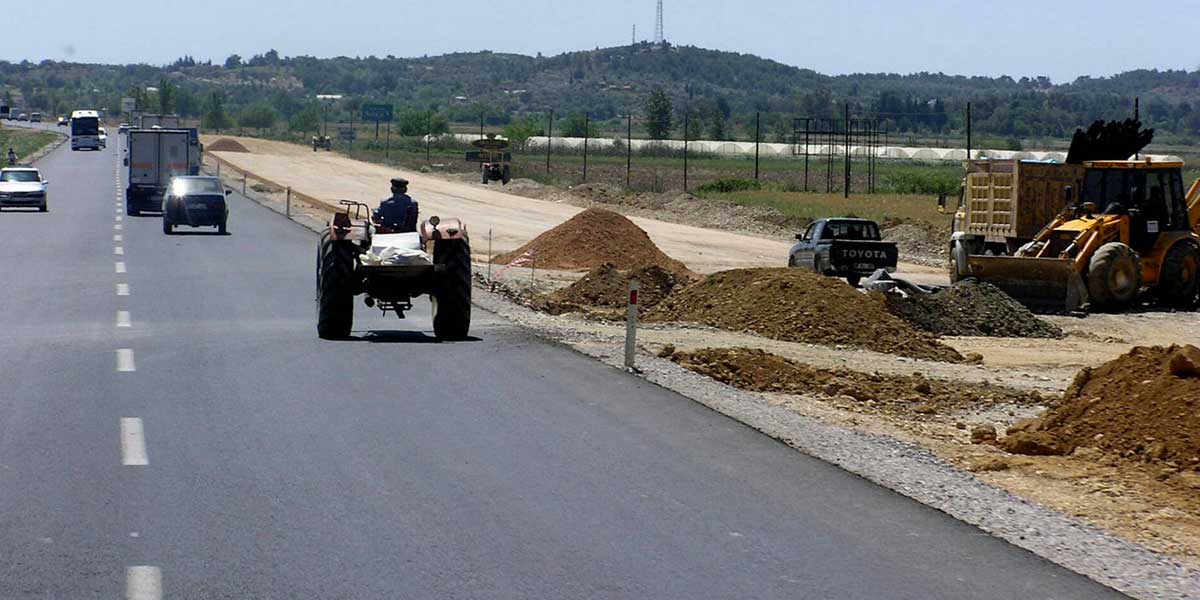
The Tirupati Municipal Corporation (MCT) had initiated the widening of crucial road stretches in the old town areas, which had been causing traffic bottlenecks for over three decades. It was reported that the first transformation was taking place on the vital link road from Tilak Road to Thathaiahagunta area via Mallaiahgunta Katta and Jabbar layout, covering a distance of 400 metres. This narrow lane, initially measuring 15 feet in width, was being expanded to 40 feet alongside the TTD?s Sridevi complex.

The decision to widen these roads was considered essential by civic authorities, including Mayor Dr R Sirisha and Deputy Mayor B Abhinay Reddy. They believed that the widening was necessary not only to alleviate traffic congestion but also to ensure the smooth movement of ambulances and fire tenders during emergencies.

In addition to the ongoing project, the road adjacent to the TTD's administrative building, from Bhavani Nagar junction towards the railway colony, was also undergoing expansion for a 500-metre stretch. This endeavor aimed to resolve not just traffic issues but also the persistent problem of a large open drain that carried rainwater from Tirumala hills during flood situations.

According to the Deputy Mayor, addressing traffic congestion had remained a top priority for the MCT in the temple city. He mentioned that apart from the recent road widening initiatives in Dwarka Nagar (30 feet) and Khadi Colony (40 feet), the MCT had commenced the construction of roads connecting Padmavati Nagar and Mahila University in the 22nd Ward.

Additionally, they were working on building Seethamma Nagar Road, linking Padmavati Mahila University Road from MR Palli Circle, and developing a new road connecting Tirumala Bypass Road to KT road via Ramachandra Nagar.

The Tirupati Municipal Corporation (MCT) had initiated the widening of crucial road stretches in the old town areas, which had been causing traffic bottlenecks for over three decades. It was reported that the first transformation was taking place on the vital link road from Tilak Road to Thathaiahagunta area via Mallaiahgunta Katta and Jabbar layout, covering a distance of 400 metres. This narrow lane, initially measuring 15 feet in width, was being expanded to 40 feet alongside the TTD?s Sridevi complex. The decision to widen these roads was considered essential by civic authorities, including Mayor Dr R Sirisha and Deputy Mayor B Abhinay Reddy. They believed that the widening was necessary not only to alleviate traffic congestion but also to ensure the smooth movement of ambulances and fire tenders during emergencies. In addition to the ongoing project, the road adjacent to the TTD's administrative building, from Bhavani Nagar junction towards the railway colony, was also undergoing expansion for a 500-metre stretch. This endeavor aimed to resolve not just traffic issues but also the persistent problem of a large open drain that carried rainwater from Tirumala hills during flood situations. According to the Deputy Mayor, addressing traffic congestion had remained a top priority for the MCT in the temple city. He mentioned that apart from the recent road widening initiatives in Dwarka Nagar (30 feet) and Khadi Colony (40 feet), the MCT had commenced the construction of roads connecting Padmavati Nagar and Mahila University in the 22nd Ward. Additionally, they were working on building Seethamma Nagar Road, linking Padmavati Mahila University Road from MR Palli Circle, and developing a new road connecting Tirumala Bypass Road to KT road via Ramachandra Nagar.

Next Story
Infrastructure Transport

India Becomes First to Produce Bio-Bitumen for Roads

India has become the first country in the world to commercially produce bio-bitumen for use in road construction, according to Road, Transport and Highways Minister Nitin Gadkari. Bitumen, a black and viscous hydrocarbon derived from crude oil, is a key binding material in road building, and the bio-based alternative is expected to significantly improve the sector’s environmental footprint.Addressing the CSIR Technology Transfer Ceremony in New Delhi, Mr Gadkari congratulated Council of Scientific and Industrial Research on achieving the milestone, noting that the initiative would help curb ..

Next Story
Infrastructure Urban

HILT Policy Seen Boosting Telangana Revenue Sharply

The Hyderabad Industrial Land Transformation (HILT) Policy is expected to generate around Rs 1.08 billion in revenue for the Telangana state exchequer, according to Deputy Chief Minister Bhatti Vikramarka Mallu. Speaking in the Telangana Legislative Assembly, he said the policy would be implemented within a six-month timeframe in a transparent manner, with uniform rules applicable to all stakeholders. Mr Vikramarka noted that without the HILT Policy, the state would have earned only about Rs 1.2 million per acre. Under the new framework, however, revenue is projected to rise sharply to Rs 70 ..

Next Story
Infrastructure Urban

India Post, MoRD Tie Up to Boost Rural Inclusion

The Department of Posts and the Ministry of Rural Development have signed a Memorandum of Understanding to accelerate rural transformation and expand financial, digital and logistics services for Self-Help Groups (SHGs) and rural households across India. The agreement was signed in the presence of Union Minister of Communications and Development of North Eastern Region Jyotiraditya M. Scindia and Union Minister of Rural Development and Agriculture and Farmers’ Welfare Shivraj Singh Chouhan. The collaboration aligns with the government’s “Dak Sewa, Jan Sewa” vision and seeks to repositi..

Advertisement

Subscribe to Our Newsletter

Get daily newsletters around different themes from Construction world.

STAY CONNECTED

Advertisement

Advertisement

Advertisement

Advertisement

Open In App