


MMRDA Scraps Metro Line 6 Bids
ROADS & HIGHWAYS

MMRDA Scraps Metro Line 6 Bids

The Mumbai Metropolitan Region Development Authority (MMRDA) has recently canceled the bids related to the Metro Line 6 project. This decision comes as a setback to the city's transportation infrastructure plans.

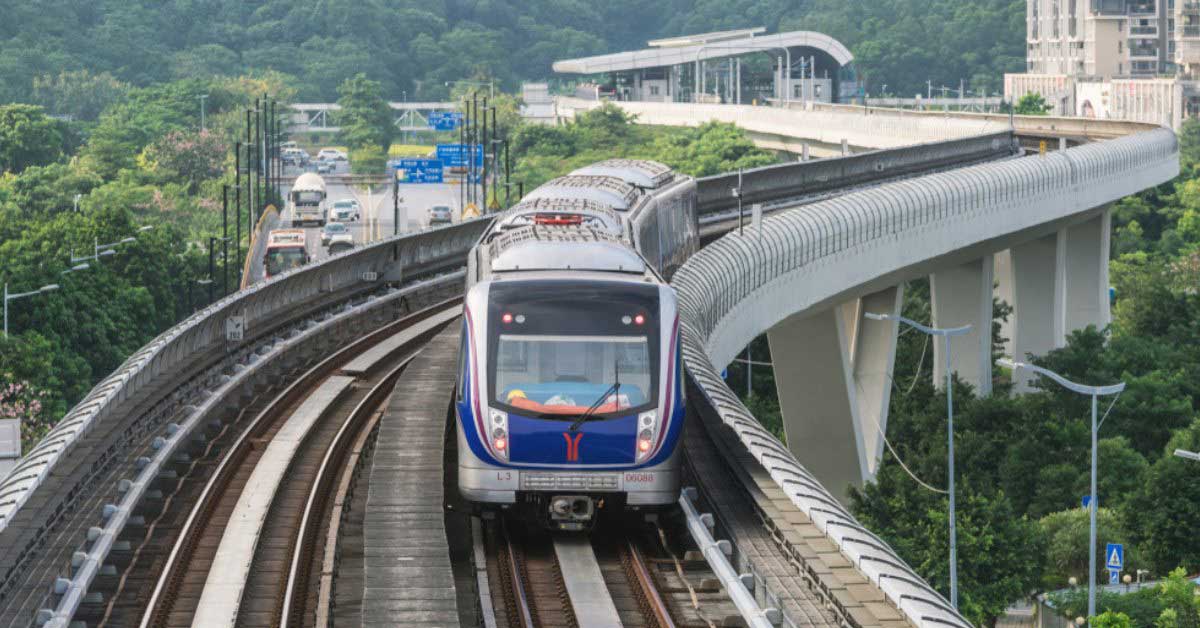
The Metro Line 6 project, also known as the Lokhandwala-Jogeshwari-Vikhroli-Kanjurmarg (LJVK) corridor, aims to provide better connectivity to the eastern and western suburbs of Mumbai. It is expected to reduce travel time and ease congestion in the city.

The cancellation of bids related to the Metro Line 6 project raises concerns about delays in its construction. The MMRDA cited technical reasons for the cancellation but did not provide further details. This development has left commuters and stakeholders waiting anxiously for an updated timeline for the project's completion.

The cancellation of bids highlights the challenges faced in implementing large-scale infrastructure projects. The MMRDA needs to address any technical issues promptly and explore alternative solutions to ensure the project progresses smoothly.

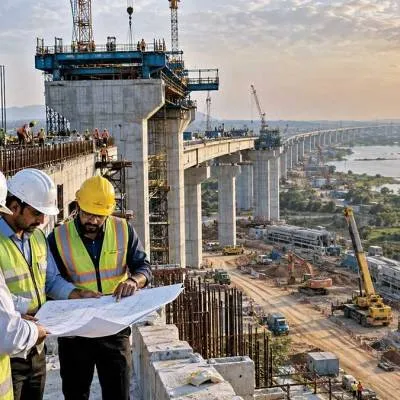
The Metro Line 6 project is crucial for Mumbai's transportation network expansion. Once completed, it will connect densely populated areas and commercial centers, enhancing connectivity and reducing the burden on the existing transportation system.

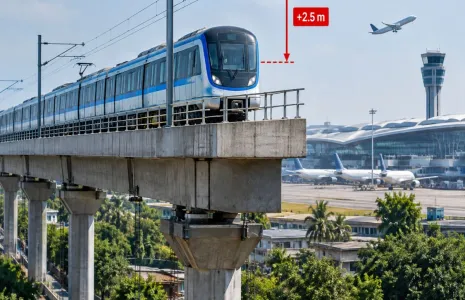
With an estimated cost of approximately ?7,000 crores, the Metro Line 6 project is expected to span 14.47 kilometers and consist of 13 stations. The elevated corridor will provide a much-needed alternative mode of transportation for Mumbai residents.

The cancellation of bids is not an uncommon occurrence in infrastructure projects. Factors such as land acquisition, environmental clearances, and technical hurdles often contribute to delays. However, it is crucial that the MMRDA takes prompt action to address these issues to avoid further delays in the Metro Line 6 project.

The MMRDA plays a vital role in the development and growth of Mumbai. It is responsible for planning, coordinating, and executing various infrastructure projects. As such, it is crucial for the organization to ensure the timely completion of the Metro Line 6 project to meet the city's growing transportation demands.

In conclusion, the cancellation of bids related to the Metro Line 6 project in Mumbai is a setback for the city's transportation infrastructure plans. The MMRDA must address any technical issues promptly and provide an updated timeline for the project's completion. The successful implementation of this crucial project will boost connectivity, reduce travel time, and alleviate congestion in Mumbai's suburbs.

The Mumbai Metropolitan Region Development Authority (MMRDA) has recently canceled the bids related to the Metro Line 6 project. This decision comes as a setback to the city's transportation infrastructure plans. The Metro Line 6 project, also known as the Lokhandwala-Jogeshwari-Vikhroli-Kanjurmarg (LJVK) corridor, aims to provide better connectivity to the eastern and western suburbs of Mumbai. It is expected to reduce travel time and ease congestion in the city. The cancellation of bids related to the Metro Line 6 project raises concerns about delays in its construction. The MMRDA cited technical reasons for the cancellation but did not provide further details. This development has left commuters and stakeholders waiting anxiously for an updated timeline for the project's completion. The cancellation of bids highlights the challenges faced in implementing large-scale infrastructure projects. The MMRDA needs to address any technical issues promptly and explore alternative solutions to ensure the project progresses smoothly. The Metro Line 6 project is crucial for Mumbai's transportation network expansion. Once completed, it will connect densely populated areas and commercial centers, enhancing connectivity and reducing the burden on the existing transportation system. With an estimated cost of approximately ?7,000 crores, the Metro Line 6 project is expected to span 14.47 kilometers and consist of 13 stations. The elevated corridor will provide a much-needed alternative mode of transportation for Mumbai residents. The cancellation of bids is not an uncommon occurrence in infrastructure projects. Factors such as land acquisition, environmental clearances, and technical hurdles often contribute to delays. However, it is crucial that the MMRDA takes prompt action to address these issues to avoid further delays in the Metro Line 6 project. The MMRDA plays a vital role in the development and growth of Mumbai. It is responsible for planning, coordinating, and executing various infrastructure projects. As such, it is crucial for the organization to ensure the timely completion of the Metro Line 6 project to meet the city's growing transportation demands. In conclusion, the cancellation of bids related to the Metro Line 6 project in Mumbai is a setback for the city's transportation infrastructure plans. The MMRDA must address any technical issues promptly and provide an updated timeline for the project's completion. The successful implementation of this crucial project will boost connectivity, reduce travel time, and alleviate congestion in Mumbai's suburbs.

Next Story
Infrastructure Urban

TBO Tek Q2 Profit Climbs 12%, Revenue Surges 26% YoY

TBO Tek Limited one of the world’s largest travel distribution platforms, reported a solid performance for Q2 FY26 with a 26 per cent year-on-year increase in revenue to Rs 5.68 billion, reflecting broad-based growth and improving profitability.The company recorded a Gross Transaction Value (GTV) of Rs 8,901 crore, up 12 per cent YoY, driven by strong performance across Europe, MEA, and APAC regions. Adjusted EBITDA before acquisition-related costs stood at Rs 1.04 billion, up 16 per cent YoY, translating into an 18.32 per cent margin compared to 16.56 per cent in Q1 FY26. Profit after tax r..

Next Story
Infrastructure Energy

Northern Graphite, Rain Carbon Secure R&D Grant for Greener Battery Materials

Northern Graphite Corporation and Rain Carbon Canada Inc, a subsidiary of Rain Carbon Inc, have jointly received up to C$860,000 (€530,000) in funding under the Canada–Germany Collaborative Industrial Research and Development Programme to develop sustainable battery anode materials.The two-year, C$2.2 million project aims to transform natural graphite processing by-products into high-performance, battery-grade anode material (BAM). Supported by the National Research Council of Canada Industrial Research Assistance Programme (NRC IRAP) and Germany’s Federal Ministry for Economic Affairs a..

Next Story
Infrastructure Urban

Antony Waste Q2 Revenue Jumps 16%; Subsidiary Wins Rs 3,200 Cr WtE Projects

Antony Waste Handling Cell Limited (AWHCL), a leading player in India’s municipal solid waste management sector, announced a 16 per cent year-on-year increase in total operating revenue to Rs 2.33 billion for Q2 FY26. The growth was driven by higher waste volumes, escalated contracts, and strong operational execution.EBITDA rose 18 per cent to Rs 570 million, with margins steady at 21.6 per cent, while profit after tax stood at Rs 173 million, up 13 per cent YoY. Revenue from Municipal Solid Waste Collection and Transportation (MSW C&T) reached Rs 1.605 billion, and MSW Processing re..

Advertisement

Subscribe to Our Newsletter

Get daily newsletters around different themes from Construction world.

STAY CONNECTED

Advertisement

Advertisement

Advertisement

Get CW App