


+
MoRTH conference propels revival of BOT projects
ROADS & HIGHWAYS

MoRTH conference propels revival of BOT projects

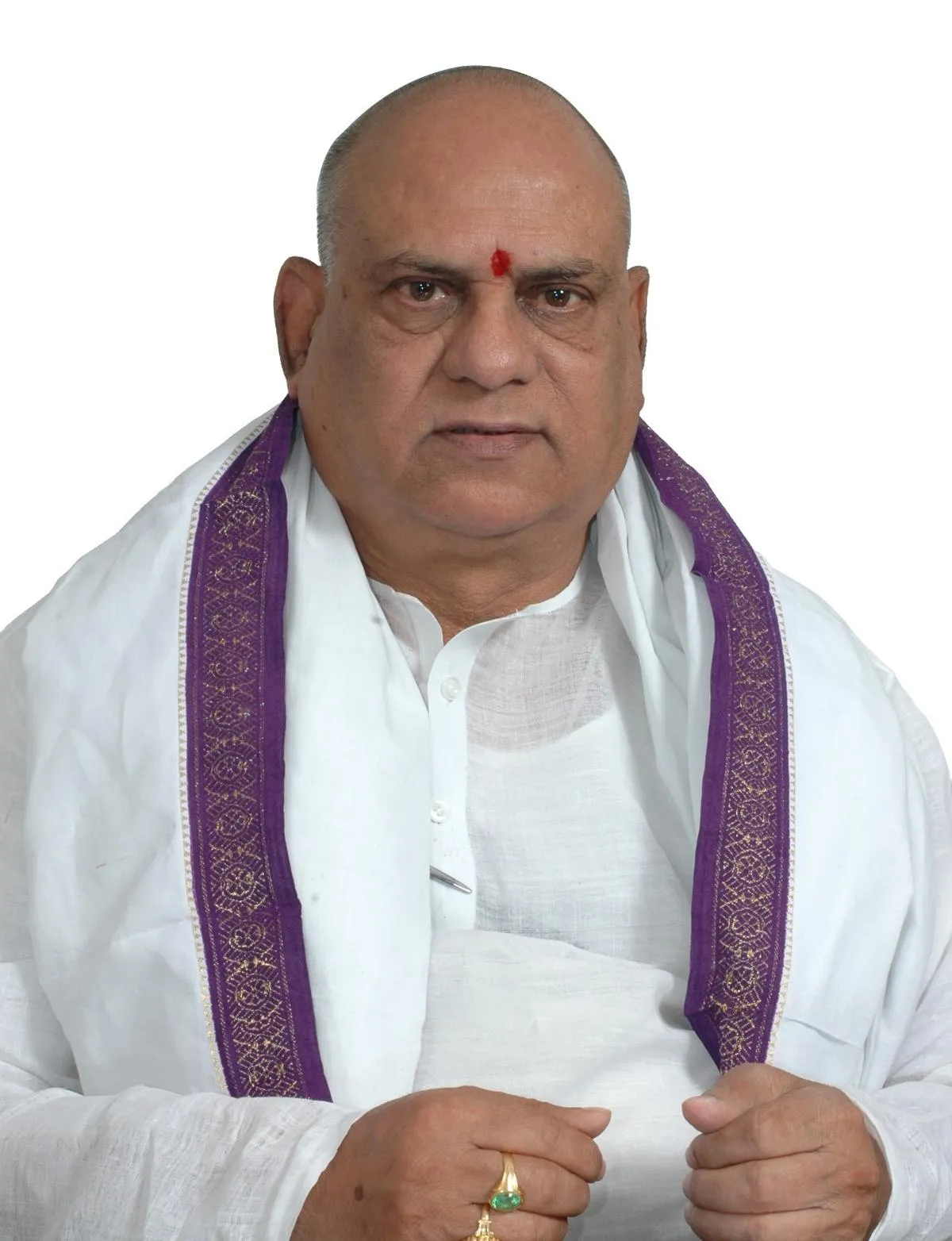
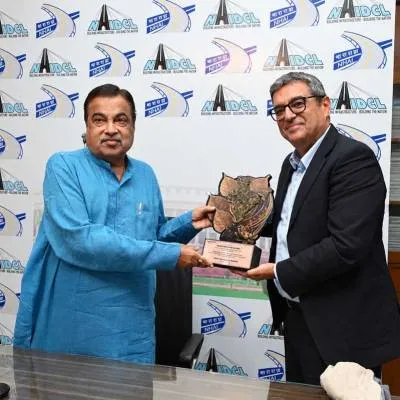
In a bid to promote Public-Private Partnerships (PPP) for Build-Operate-Transfer (BOT) projects and streamline business operations, the Ministry of Road Transport and Highways (MoRTH) orchestrated a conference in New Delhi. This gathering included key industry players such as Concessionaires/Contractors, Highway Operators, Investment Trusts, and representatives from Bankers/Financial Institutions, as well as Technical and Financial Consultants from the road sector. The inaugural session was graced by Nitin Gadkari, the Union Minister for Road Transport and Highways, alongside dignitaries like Anurag Jain, Secretary, MoRTH, Santosh Kumar Yadav, Chairman NHAI, and senior officials from various departments and authorities related to road infrastructure.

During the conference, Nitin Gadkari expressed the commitment to revitalise the BOT model, aiming to make it more investment-friendly and enticing for private partnerships. He emphasised that this revitalisation would not only fortify road infrastructure but also have a positive impact on the economy by creating employment opportunities and reducing logistical costs.

The conference featured presentations by senior officials of the National Highways Authority of India (NHAI) regarding proposed modifications to the Model Concession Agreement (MCA) of BOT (Toll). These modifications aimed to address concerns raised by stakeholders and eliminate discrepancies in various aspects, including termination payments, Concession Period adjustments based on actual traffic, reconsideration of actual traffic exceeding design capacity, and defining termination payments related to delays and force majeure causes. A new provision for Buy Back in case of Additional Tollway/Competing Road was also introduced.

Currently, due to implementation challenges in BOT Projects, projects are predominantly awarded on Engineering Procurement Construction (EPC) or Hybrid Annuity Mode (HAM). To revive BOT projects, several initiatives such as Harmonious Substitution, One Time Fund Infusion, Rationalised Compensation, Premium Deferment, and allowing refinancing have been implemented. Looking ahead, 53 BOT (Toll) Projects covering a length of 5200 km and valued at Rs. 2.1 trillion have been identified, with bids for 7 projects covering a length of 387 km and worth Rs 270 billion already invited.

Aligning with the Government of India?s 'Vision 2047' Plan, numerous high-speed corridors are envisioned for development. The robust Public-Private Partnership in the road sector is considered pivotal to realising this vision, contributing significantly to the development, operation, and maintenance of a world-class National Highway Network in the country.

In a bid to promote Public-Private Partnerships (PPP) for Build-Operate-Transfer (BOT) projects and streamline business operations, the Ministry of Road Transport and Highways (MoRTH) orchestrated a conference in New Delhi. This gathering included key industry players such as Concessionaires/Contractors, Highway Operators, Investment Trusts, and representatives from Bankers/Financial Institutions, as well as Technical and Financial Consultants from the road sector. The inaugural session was graced by Nitin Gadkari, the Union Minister for Road Transport and Highways, alongside dignitaries like Anurag Jain, Secretary, MoRTH, Santosh Kumar Yadav, Chairman NHAI, and senior officials from various departments and authorities related to road infrastructure. During the conference, Nitin Gadkari expressed the commitment to revitalise the BOT model, aiming to make it more investment-friendly and enticing for private partnerships. He emphasised that this revitalisation would not only fortify road infrastructure but also have a positive impact on the economy by creating employment opportunities and reducing logistical costs. The conference featured presentations by senior officials of the National Highways Authority of India (NHAI) regarding proposed modifications to the Model Concession Agreement (MCA) of BOT (Toll). These modifications aimed to address concerns raised by stakeholders and eliminate discrepancies in various aspects, including termination payments, Concession Period adjustments based on actual traffic, reconsideration of actual traffic exceeding design capacity, and defining termination payments related to delays and force majeure causes. A new provision for Buy Back in case of Additional Tollway/Competing Road was also introduced. Currently, due to implementation challenges in BOT Projects, projects are predominantly awarded on Engineering Procurement Construction (EPC) or Hybrid Annuity Mode (HAM). To revive BOT projects, several initiatives such as Harmonious Substitution, One Time Fund Infusion, Rationalised Compensation, Premium Deferment, and allowing refinancing have been implemented. Looking ahead, 53 BOT (Toll) Projects covering a length of 5200 km and valued at Rs. 2.1 trillion have been identified, with bids for 7 projects covering a length of 387 km and worth Rs 270 billion already invited. Aligning with the Government of India?s 'Vision 2047' Plan, numerous high-speed corridors are envisioned for development. The robust Public-Private Partnership in the road sector is considered pivotal to realising this vision, contributing significantly to the development, operation, and maintenance of a world-class National Highway Network in the country.

Next Story
Infrastructure Urban

ABB to Invest Rs 6.25 Billion to Expand India Manufacturing

ABB recently announced plans to invest approximately Rs 6.25 billion ($75 million) in India during 2026 to expand its manufacturing footprint and research and development capabilities. The investment follows more than $35 million spent in 2025 and reflects the company’s continued focus on strengthening its ‘local-for-local’ strategy in the country.The investment will support ABB’s Electrification, Motion and Automation businesses and expand manufacturing capacity for infrastructure sectors such as renewable energy, metro rail, data centres and industrial applications. Approximately 300..

Next Story
Equipment

Six WOLFF Cranes Handle 60,000 m³ Concrete for German Hospital

Six WOLFF tower cranes are playing a key role in constructing a new hospital complex in Memmingen, Germany, supporting large-scale material handling for the project. The facility is being built on a 7.7-hectare site and will feature six floors, around 480 beds and a gross floor area exceeding 75,000 sq m.Building shell works began recently in February 2025. One WOLFF 6531.12 Cross crane supported early site preparation before being dismantled in autumn 2025, while five remaining cranes continue operations. Over an average deployment period of 16 months, the cranes are expected to move approxim..

Next Story
Equipment

REC Funds Rs 115.6 Million CSR Support for Bihar Eye Hospital

REC recently committed Rs 115.6 million under its Corporate Social Responsibility (CSR) programme for the procurement of clinical and non-clinical equipment at Sankara Eye Hospital in Saharsa, Bihar. The initiative aims to strengthen healthcare infrastructure and improve access to specialised eye care services in the region.A Memorandum of Agreement (MoA) was recently signed between Pradeep Fellows, Executive Director (CSR), REC Limited, and Wg Cdr V. Shankar (Retd), Trustee and Executive Director of Sankara Eye Hospital, at the REC office in the SCOPE Complex, New Delhi.The support is expecte..

Advertisement

Subscribe to Our Newsletter

Get daily newsletters around different themes from Construction world.

STAY CONNECTED

Advertisement

Advertisement

Advertisement