New highways with modern facilities planned in India
ROADS & HIGHWAYS

New highways with modern facilities planned in India

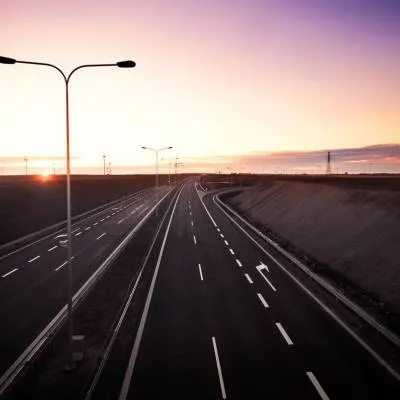
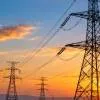
India is planning to develop major new highway projects, including the construction of an electric highway.

The installation of electric vehicle infrastructure for a highway project connecting Delhi and Jaipur, Rajasthan, aims to reduce emissions and improve transportation efficiency between the two cities.

The goal is for trucks and buses to be able to travel along the route using electric power rather than diesel engines.

Full details have yet to be revealed, but the information so far suggests that trucks and buses could be powered by overhead lines, similar to locomotives and trams, with pantographs on the roof. India's Road Transport and Highways Ministry is discussing the project with an international firm.

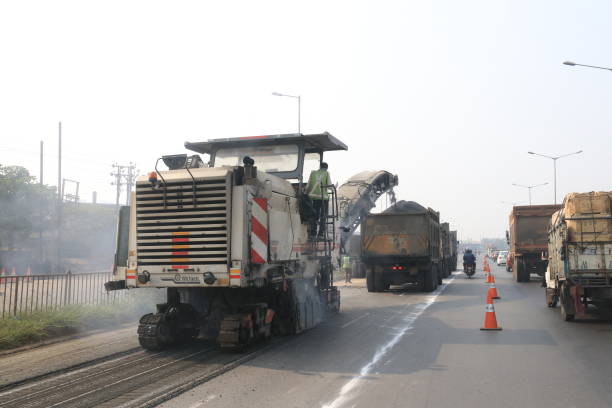
The highway connecting Delhi and Mumbai is currently under construction. Four lanes will be available in each direction.

Delhi will be connected to Gujarat, as well as Madhya Pradesh, Haryana, Rajasthan, and Haryana, via this route.

The project, which is expected to cost up to $13.2 billion and be completed in March 2023, will help reduce travel times between the various cities along the route.

Links to the Noida International Airport and the Jawaharlal Nehru Port will be a key feature of the expressway.

In addition, a contract for a section of the new expressway connecting Bangalore and Chennai has been awarded.

In each direction, the expressway will have two lanes. The section between Bangarupalem and Gudipala will be built by Dilip Buildcon at $142.6 million. The National Highways Authority of India (NHAI) awarded the contract.

Image Source


Also read: Gadkari inaugurates NH projects worth Rs 4,075 cr in Ahmednagar

India is planning to develop major new highway projects, including the construction of an electric highway. The installation of electric vehicle infrastructure for a highway project connecting Delhi and Jaipur, Rajasthan, aims to reduce emissions and improve transportation efficiency between the two cities. The goal is for trucks and buses to be able to travel along the route using electric power rather than diesel engines. Full details have yet to be revealed, but the information so far suggests that trucks and buses could be powered by overhead lines, similar to locomotives and trams, with pantographs on the roof. India's Road Transport and Highways Ministry is discussing the project with an international firm. The highway connecting Delhi and Mumbai is currently under construction. Four lanes will be available in each direction. Delhi will be connected to Gujarat, as well as Madhya Pradesh, Haryana, Rajasthan, and Haryana, via this route. The project, which is expected to cost up to $13.2 billion and be completed in March 2023, will help reduce travel times between the various cities along the route. Links to the Noida International Airport and the Jawaharlal Nehru Port will be a key feature of the expressway. In addition, a contract for a section of the new expressway connecting Bangalore and Chennai has been awarded. In each direction, the expressway will have two lanes. The section between Bangarupalem and Gudipala will be built by Dilip Buildcon at $142.6 million. The National Highways Authority of India (NHAI) awarded the contract. Image SourceAlso read: Gadkari inaugurates NH projects worth Rs 4,075 cr in Ahmednagar

Next Story
Infrastructure Urban

Implementation Status of Jal Jeevan Mission

Since August 2019 the Government has implemented Jal Jeevan Mission to provide assured potable water through household tap connections in rural India. At the start of the mission only 32.3 million (mn) rural households, representing 16.7 per cent, were reported to have tap water connections. States and union territories have reported that 125.8 mn additional rural households have since been provided with tap connections. As a result, of about 193.6 mn rural households roughly 158.2 mn, or 81.71 per cent, are reported to have tap water supply at home.\n\nThe State, district and village level st..

Next Story
Infrastructure Urban

Jal Jeevan Mission Reaches Eighty One Per Cent Rural Coverage

The Government reported substantial progress under the Jal Jeevan Mission, launched in August 2019 to provide tap water to every rural household. At launch only 32.3 million (mn) rural households had tap connections and states and Union territories reported provision of 125.8 mn additional households by March 2026. Consequently, out of about 193.6 mn rural households around 158.2 mn, or 81.71 per cent, are reported to have tap water at home. The Finance Minister announced extension of the mission until 2028 in the 2025-26 budget speech. The Swachh Bharat Mission Grameen, launched in October 20..

Next Story
Infrastructure Urban

Empowering Local Governance for Sustainable Rural Water Supply

The Ministry of Jal Shakti has aligned the Jal Jeevan Mission (JJM) with the 73rd Amendment to strengthen village level planning and community ownership of water supply. Gram Panchayats, village water and sanitation committees and Pani Samitis are to plan, implement, manage and maintain piped water systems, with gram sabha processes formalising handover and oversight. Implementation support agencies including non government organisations, community based organisations and self help groups have been empanelled to train local committees and promote women participation. Under JJM, the department ..

Advertisement

Subscribe to Our Newsletter

Get daily newsletters around different themes from Construction world.

STAY CONNECTED

Advertisement

Advertisement

Advertisement