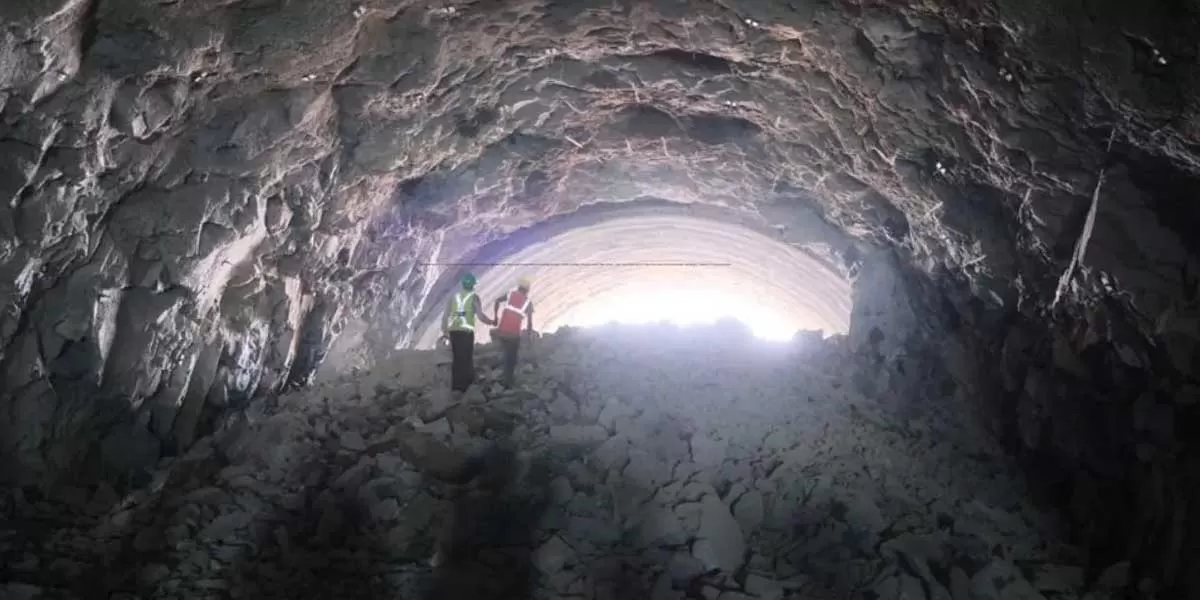
New tunnel is being built on the Mumbai-Ahmedabad Bullet Rail project
ROADS & HIGHWAYS

New tunnel is being built on the Mumbai-Ahmedabad Bullet Rail project

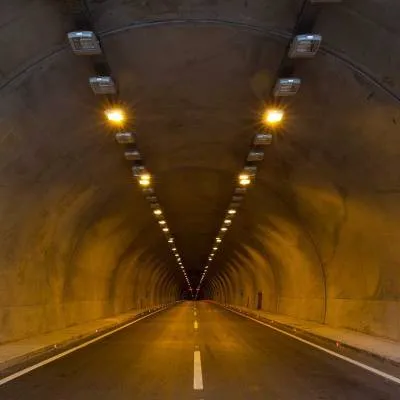
The current Mumbai - Ahmedabad bullet train project has been accelerated with the construction of an extra 394-m intermediate tunnel at Ghansoli in Mumbai. This new intermediate tunnel, which is adjacent to the Thane Creek, will aid in expediting the 21-km major tunnel project between BKC and Shilphata.

With simultaneous access to the new terminal, which is 3.3 km long and 26 m deep, a 1.6 m (about) tunnel may be built on either side. The bullet train project's special purpose corporation, National High Speed Rail Corporation Limited (NHSRCL), released a statement stating that the main 21-km tunnel will be finished in 5 km by the New Austrian Tunnelling Method and 16 km by tunnel boring machines. Excavation for the intermediate tunnel began on December 6, 2023, and has taken six months to complete the 394-m length. Because of its length, the intermediate tunnel may be used as a direct transport route to the main tunnel while it is being built and operated. It can also be used for evacuation protocols in case of an emergency. The 21-km track between Mumbai Bullet Train Station and Shilphata, Maharashtra, is rapidly being built. For about seven kilometres, this tunnel will run beneath Thane Creek in an intertidal zone.

USP of the tunnel: This is the first tunnel of its sort built in India. The top and bottom railroads will each have two tracks in the 21-km single tube tunnel. 16 km of the tunnel are now being built at BKC, Vikhroli, and Savli using tunnel boring machines. The bullet train will be within the tunnel and be able to travel at 320 km/h.

According to Railways Minister Ashwini Vaishnaw in March of this year, the much-awaited bullet train project is slated to be finished by 2026, with services between Surat and Bilimora commencing first.

Project timeline for the bullet train

The Mumbai-Ahmedabad bullet train line project has been slowly moving forward since construction began in November 2021. The project was first delayed due to problems obtaining land. The project was formally launched in Ahmedabad on September 14, 2017, by Prime Minister Narendra Modi and Japanese Prime Minister Shinzo Abe.

NHSRCL was founded on February 12, 2016, in compliance with the Companies Act of 2013, with the objective of financing, constructing, managing, and overseeing the High-Speed Rail Corridor in India. the Maharashtra and Gujarati governments, together with the two state governments of Gujarat and Maharashtra, which have been modelled as "Special Purpose Vehicles" in the joint sector.

"Join industry leaders at RAHSTA Expo, India's premier platform for roads, highways and traffic infrastructure. Register now to explore innovations, network with experts and shape the future of mobility."

The current Mumbai - Ahmedabad bullet train project has been accelerated with the construction of an extra 394-m intermediate tunnel at Ghansoli in Mumbai. This new intermediate tunnel, which is adjacent to the Thane Creek, will aid in expediting the 21-km major tunnel project between BKC and Shilphata. With simultaneous access to the new terminal, which is 3.3 km long and 26 m deep, a 1.6 m (about) tunnel may be built on either side. The bullet train project's special purpose corporation, National High Speed Rail Corporation Limited (NHSRCL), released a statement stating that the main 21-km tunnel will be finished in 5 km by the New Austrian Tunnelling Method and 16 km by tunnel boring machines. Excavation for the intermediate tunnel began on December 6, 2023, and has taken six months to complete the 394-m length. Because of its length, the intermediate tunnel may be used as a direct transport route to the main tunnel while it is being built and operated. It can also be used for evacuation protocols in case of an emergency. The 21-km track between Mumbai Bullet Train Station and Shilphata, Maharashtra, is rapidly being built. For about seven kilometres, this tunnel will run beneath Thane Creek in an intertidal zone. USP of the tunnel: This is the first tunnel of its sort built in India. The top and bottom railroads will each have two tracks in the 21-km single tube tunnel. 16 km of the tunnel are now being built at BKC, Vikhroli, and Savli using tunnel boring machines. The bullet train will be within the tunnel and be able to travel at 320 km/h. According to Railways Minister Ashwini Vaishnaw in March of this year, the much-awaited bullet train project is slated to be finished by 2026, with services between Surat and Bilimora commencing first. Project timeline for the bullet train The Mumbai-Ahmedabad bullet train line project has been slowly moving forward since construction began in November 2021. The project was first delayed due to problems obtaining land. The project was formally launched in Ahmedabad on September 14, 2017, by Prime Minister Narendra Modi and Japanese Prime Minister Shinzo Abe. NHSRCL was founded on February 12, 2016, in compliance with the Companies Act of 2013, with the objective of financing, constructing, managing, and overseeing the High-Speed Rail Corridor in India. the Maharashtra and Gujarati governments, together with the two state governments of Gujarat and Maharashtra, which have been modelled as Special Purpose Vehicles in the joint sector.

Next Story
Infrastructure Transport

Third Railway Line Between Tatanagar And Adityapur Likely By September

The third railway line between Tatanagar and Adityapur is expected to be commissioned by September as work on the corridor advances, according to railway sources. The project to add a fourth line on the busy route is progressing and has been allocated Rs 50.89 billion (bn) in funding. The allocation underscores the focus on increasing capacity and easing congestion on the corridor. Relevant timetables are being adjusted to integrate the new capacity into regular operations. Construction activity has involved track laying, formation work and signalling upgrades along strategic stretches, with m..

Next Story
Infrastructure Transport

Indian Railways Approves Rs 2.7 bn Kavach Rollout in Odisha

Indian Railways has approved a Rs 2.7 billion (Rs 2.7 bn) plan to install the Kavach train collision avoidance system on 631 route kilometres in the East Coast Railway zone. The Ministry of Railways said the work will form part of a wider Kavach deployment programme that relies on an LTE based communication backbone rather than a standalone installation. The approval marks the latest stage in the steady expansion of the indigenous safety technology across the national network. The decision aims to enhance safety and reliability on corridors serving Odisha and adjoining areas. The project will ..

Next Story
Infrastructure Transport

Indian Railways Accelerates Modernisation Drive

Indian Railways utilised nearly 30 per cent of its capital expenditure budget for FY2026-27 within the first two months of the financial year, spending more than Rs 840 billion (bn) in April and May against a planned outlay of Rs 2.93 trillion (tn) for the year. The Union Budget allocated Rs 2.93 tn in total capex, comprising Rs 2.81 tn through gross budgetary support and Rs 120 bn from extra-budgetary resources. The early absorption indicates robust project execution and an aggressive infrastructure push. A significant share of the spending is being channelled towards track infrastructure, in..

Advertisement

Subscribe to Our Newsletter

Get daily newsletters around different themes from Construction world.

STAY CONNECTED

Advertisement

Advertisement

Advertisement