NHAI establishes design division for bridge and structure review
ROADS & HIGHWAYS

NHAI establishes design division for bridge and structure review

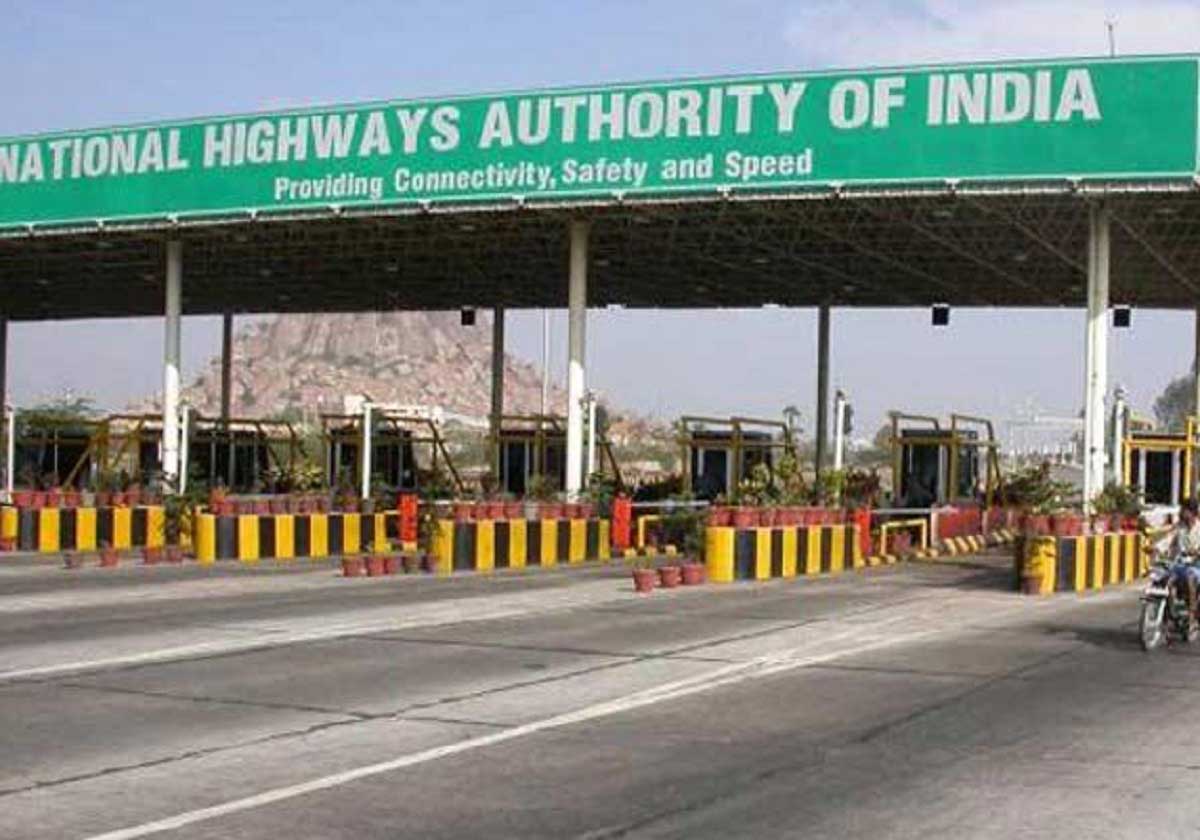
The National Highway Authority of India (NHAI) made an announcement revealing the establishment of a dedicated design division aimed at overseeing the design and construction processes of bridges and various other structures.

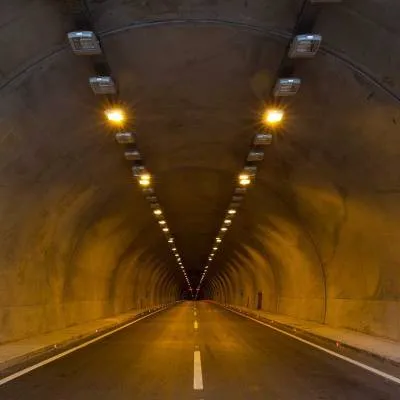
In order to enhance the efficacy of evaluating the design and construction phases of bridges, specialised structures, and tunnels, NHAI has introduced a designated design division. This division's core responsibility lies in developing policies and guidelines for the strategic planning, design, construction, and on-going maintenance of bridges, structures, tunnels, and retaining earth (RE) walls situated along the national highways throughout the country. This initiative was detailed in a statement from the Ministry of Road Transport and Highways.

This newly established division is slated to undertake a range of tasks, encompassing comprehensive reviews of project preparation, the construction of new bridges, assessments of existing older or deteriorated bridges, as well as assessments of the condition of critical bridges, structures, tunnels, and RE walls through instrumentation. Additionally, it will assess standalone bridges and specialised structures that are in the phase of developing detailed project reports, provided that these reports commenced post June 2023.

Furthermore, the division will be engaged in evaluating construction methodologies, temporary structures, lifting and launching techniques, and prestressing methods employed in selected bridges and structures exceeding a span of 200 meters. Special structures will also be subjected to these reviews on a random basis.

The division's responsibilities also extend to the review of design plans for all bridges and structures within ongoing projects that exceed a length of 200 meters. In an additional measure, the division will conduct random reviews of the designs for other bridges with spans exceeding 60 meters, structures, tunnels longer than 200 meters, retaining earth walls surpassing a height of 10 meters, and other specialised structures.

To carry out these design evaluations, the division will enlist the expertise of advisors and establish consultant teams composed of specialists in bridge design, tunnel construction, RE walls, geotechnical matters, and soil/material testing laboratories. Furthermore, the division plans to engage design experts, research scholars, and postgraduate students from esteemed institutions like the Indian Institutes of Technology (IITs) and National Institutes of Technology (NITs) to participate in structure design reviews whenever necessary.

The National Highway Authority of India (NHAI) made an announcement revealing the establishment of a dedicated design division aimed at overseeing the design and construction processes of bridges and various other structures.In order to enhance the efficacy of evaluating the design and construction phases of bridges, specialised structures, and tunnels, NHAI has introduced a designated design division. This division's core responsibility lies in developing policies and guidelines for the strategic planning, design, construction, and on-going maintenance of bridges, structures, tunnels, and retaining earth (RE) walls situated along the national highways throughout the country. This initiative was detailed in a statement from the Ministry of Road Transport and Highways.This newly established division is slated to undertake a range of tasks, encompassing comprehensive reviews of project preparation, the construction of new bridges, assessments of existing older or deteriorated bridges, as well as assessments of the condition of critical bridges, structures, tunnels, and RE walls through instrumentation. Additionally, it will assess standalone bridges and specialised structures that are in the phase of developing detailed project reports, provided that these reports commenced post June 2023.Furthermore, the division will be engaged in evaluating construction methodologies, temporary structures, lifting and launching techniques, and prestressing methods employed in selected bridges and structures exceeding a span of 200 meters. Special structures will also be subjected to these reviews on a random basis.The division's responsibilities also extend to the review of design plans for all bridges and structures within ongoing projects that exceed a length of 200 meters. In an additional measure, the division will conduct random reviews of the designs for other bridges with spans exceeding 60 meters, structures, tunnels longer than 200 meters, retaining earth walls surpassing a height of 10 meters, and other specialised structures.To carry out these design evaluations, the division will enlist the expertise of advisors and establish consultant teams composed of specialists in bridge design, tunnel construction, RE walls, geotechnical matters, and soil/material testing laboratories. Furthermore, the division plans to engage design experts, research scholars, and postgraduate students from esteemed institutions like the Indian Institutes of Technology (IITs) and National Institutes of Technology (NITs) to participate in structure design reviews whenever necessary.

Next Story
Infrastructure Transport

India Becomes First to Produce Bio-Bitumen for Roads

India has become the first country in the world to commercially produce bio-bitumen for use in road construction, according to Road, Transport and Highways Minister Nitin Gadkari. Bitumen, a black and viscous hydrocarbon derived from crude oil, is a key binding material in road building, and the bio-based alternative is expected to significantly improve the sector’s environmental footprint.Addressing the CSIR Technology Transfer Ceremony in New Delhi, Mr Gadkari congratulated Council of Scientific and Industrial Research on achieving the milestone, noting that the initiative would help curb ..

Next Story
Infrastructure Urban

HILT Policy Seen Boosting Telangana Revenue Sharply

The Hyderabad Industrial Land Transformation (HILT) Policy is expected to generate around Rs 1.08 billion in revenue for the Telangana state exchequer, according to Deputy Chief Minister Bhatti Vikramarka Mallu. Speaking in the Telangana Legislative Assembly, he said the policy would be implemented within a six-month timeframe in a transparent manner, with uniform rules applicable to all stakeholders. Mr Vikramarka noted that without the HILT Policy, the state would have earned only about Rs 1.2 million per acre. Under the new framework, however, revenue is projected to rise sharply to Rs 70 ..

Next Story
Infrastructure Urban

India Post, MoRD Tie Up to Boost Rural Inclusion

The Department of Posts and the Ministry of Rural Development have signed a Memorandum of Understanding to accelerate rural transformation and expand financial, digital and logistics services for Self-Help Groups (SHGs) and rural households across India. The agreement was signed in the presence of Union Minister of Communications and Development of North Eastern Region Jyotiraditya M. Scindia and Union Minister of Rural Development and Agriculture and Farmers’ Welfare Shivraj Singh Chouhan. The collaboration aligns with the government’s “Dak Sewa, Jan Sewa” vision and seeks to repositi..

Advertisement

Subscribe to Our Newsletter

Get daily newsletters around different themes from Construction world.

STAY CONNECTED

Advertisement

Advertisement

Advertisement

Advertisement

Open In App