- Home
- Infrastructure Transport
- ROADS & HIGHWAYS
- NHAI Floats Tenders Worth ?4,750 Crore for Bengaluru STRR Project
NHAI Floats Tenders Worth ?4,750 Crore for Bengaluru STRR Project
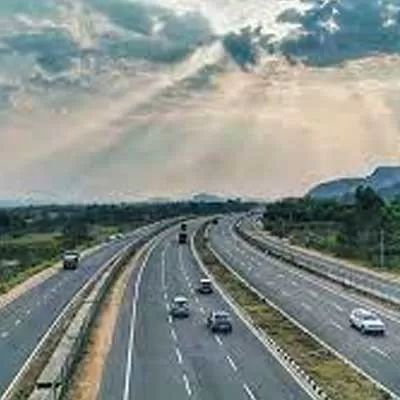
Tenders Released: The National Highways Authority of India (NHAI) has floated tenders amounting to ?4,750 crore for the Bengaluru Satellite Town Ring Road (STRR) project. Purpose: The STRR project aims to enhance connectivity around Bengaluru, easing traffic congestion and promoting economic development. Project Scope:
Bengaluru STRR: The STRR will function as a key ring road, connecting various satellite towns around Bengaluru, improving accessibility and interconnectivity. Length and Design: The project involves the construction of a significant length of road with advanced design features to support high traffic volumes. Financial Details:
Total Cost: The total investment for the STRR project is pegged at ?4,750 crore, highlighting the scale and importance of the development. Funding Source: The funding for this project is expected to come from a mix of government allocations and possibly private investments. Impact on Bengaluru:
Traffic Management: The STRR is anticipated to alleviate traffic congestion in and around Bengaluru by providing a bypassing route for vehicles. Economic Growth: Improved connectivity is likely to boost economic activity in satellite towns and contribute to the region’s development. Tender Details:
Tender Invitation: The tenders include various construction and development works related to the STRR, inviting bids from qualified contractors and construction firms. Submission Deadline: Interested parties will need to submit their bids by the specified deadline, adhering to the project specifications and regulations set by NHAI. Project Timeline:
Completion Schedule: The STRR project is expected to be completed within a specified timeline, contributing to the overall development plan for Bengaluru’s transportation infrastructure. Milestones: Key milestones and phases will be outlined, with regular progress assessments to ensure timely execution. Benefits:
Enhanced Connectivity: The STRR will improve connectivity between Bengaluru and surrounding towns, facilitating smoother commute and transportation. Reduced Congestion: By providing an alternative route, the STRR will help in reducing traffic congestion within Bengaluru’s city limits. Challenges:
Implementation Risks: Potential challenges include land acquisition, environmental considerations, and logistical issues during construction. Monitoring and Compliance: NHAI will ensure strict adherence to project specifications and quality standards to mitigate these risks. Stakeholder Involvement:
Contractors: Various construction firms will be involved in the execution of different segments of the project. Government Agencies: NHAI will oversee the project, coordinating with other government agencies for smooth implementation. Long-term Implications:
Infrastructure Development: The STRR project represents a significant investment in infrastructure, contributing to Bengaluru’s growth and urban planning. Quality of Life: Improved road networks will enhance the quality of life for residents by reducing travel time and improving accessibility. Conclusion: The NHAI’s announcement of tenders worth ?4,750 crore for the Bengaluru STRR project marks a crucial step in enhancing the city's transportation infrastructure. The project promises to address traffic congestion, boost economic activity, and improve connectivity for Bengaluru and its surrounding regions.
Project Overview: Tenders Released: The National Highways Authority of India (NHAI) has floated tenders amounting to ?4,750 crore for the Bengaluru Satellite Town Ring Road (STRR) project. Purpose: The STRR project aims to enhance connectivity around Bengaluru, easing traffic congestion and promoting economic development. Project Scope: Bengaluru STRR: The STRR will function as a key ring road, connecting various satellite towns around Bengaluru, improving accessibility and interconnectivity. Length and Design: The project involves the construction of a significant length of road with advanced design features to support high traffic volumes. Financial Details: Total Cost: The total investment for the STRR project is pegged at ?4,750 crore, highlighting the scale and importance of the development. Funding Source: The funding for this project is expected to come from a mix of government allocations and possibly private investments. Impact on Bengaluru: Traffic Management: The STRR is anticipated to alleviate traffic congestion in and around Bengaluru by providing a bypassing route for vehicles. Economic Growth: Improved connectivity is likely to boost economic activity in satellite towns and contribute to the region’s development. Tender Details: Tender Invitation: The tenders include various construction and development works related to the STRR, inviting bids from qualified contractors and construction firms. Submission Deadline: Interested parties will need to submit their bids by the specified deadline, adhering to the project specifications and regulations set by NHAI. Project Timeline: Completion Schedule: The STRR project is expected to be completed within a specified timeline, contributing to the overall development plan for Bengaluru’s transportation infrastructure. Milestones: Key milestones and phases will be outlined, with regular progress assessments to ensure timely execution. Benefits: Enhanced Connectivity: The STRR will improve connectivity between Bengaluru and surrounding towns, facilitating smoother commute and transportation. Reduced Congestion: By providing an alternative route, the STRR will help in reducing traffic congestion within Bengaluru’s city limits. Challenges: Implementation Risks: Potential challenges include land acquisition, environmental considerations, and logistical issues during construction. Monitoring and Compliance: NHAI will ensure strict adherence to project specifications and quality standards to mitigate these risks. Stakeholder Involvement: Contractors: Various construction firms will be involved in the execution of different segments of the project. Government Agencies: NHAI will oversee the project, coordinating with other government agencies for smooth implementation. Long-term Implications: Infrastructure Development: The STRR project represents a significant investment in infrastructure, contributing to Bengaluru’s growth and urban planning. Quality of Life: Improved road networks will enhance the quality of life for residents by reducing travel time and improving accessibility. Conclusion: The NHAI’s announcement of tenders worth ?4,750 crore for the Bengaluru STRR project marks a crucial step in enhancing the city's transportation infrastructure. The project promises to address traffic congestion, boost economic activity, and improve connectivity for Bengaluru and its surrounding regions.
Related Stories
Gold Stories

Infrastructure Opportunity Outlook by IMPACCT.Info
India’s infrastructure pipeline is witnessing dynamic activity across stages — from immediate bidding to future planning. IMPACCT segments these into three categories: Immediate, 3–6 Month, and Future Opportunities, enabling businesses to identify, prepare, and participate in high-value tenders and projects across sectors.To read full article Click Here ..
Glass, Reframed!
Glass façades, quintessential aesthetic building envelopes globally, have been widely adopted in India as well. But when the focus is high-performance building systems that deliver energy efficiency, comfort and architectural identity, glass isn’t the only preference. Combination solutions, involving glass and some other material, improve façade outcomes. Some combinations come at comparable prices, some at a higher price. Here is a selection of performance-oriented solutions...To read the full story Click Here ..
Beyond Building Faster
India’s cities are expanding at an unprecedented pace, bringing new infrastructure and development opportunities while also intensifying challenges around mobility, public spaces, liveability and supporting infrastructure. The question, therefore, is not simply whether India can build faster, but whether it can build cities that work better.At a CW webinar, Are We Designing Better Cities – or Just Building Faster?, moderator Ar. Samir Shaikh, Founding Principal, AR&UD Studio, brought together perspectives from design, development, master planning and technology...To read the full artic..
Related Articles
Latest Updates

Recommended for you
Advertisement
Subscribe to Our Newsletter
Get daily newsletters around different themes from Construction world.
subscribe to the newsletter
Don't miss out on valuable insights and opportunities
to connect with like minded professionals