

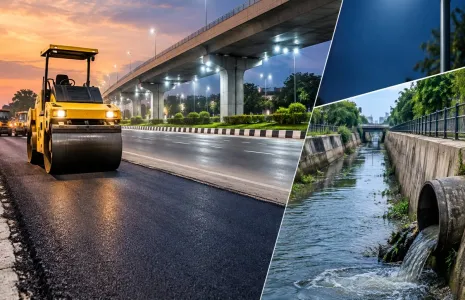
NHAI Initiates Plant Removal Beneath Punalur Bridge
ROADS & HIGHWAYS

NHAI Initiates Plant Removal Beneath Punalur Bridge

The National Highways Authority of India (NHAI) has commenced the removal of vegetation beneath the iconic Punalur Bridge in Kerala. This initiative aims to enhance the structural integrity and safety of the bridge, a vital link connecting different parts of the state. The Punalur Bridge, known for its strategic location over the Kallada River, plays a crucial role in the region's transportation network.

NHAI's decision to clear the vegetation beneath the bridge comes as part of its ongoing efforts to ensure the safety and longevity of critical infrastructure. The presence of plants and vegetation under bridges can potentially compromise their structural stability over time, posing risks to both vehicular traffic and pedestrians. By clearing this area, NHAI aims to prevent any potential risks and maintain the bridge's functionality without disruptions.

Located in the Kollam district, the Punalur Bridge serves as a key passage for both local commuters and interstate travelers. Its upkeep and maintenance are essential for facilitating smooth traffic flow across the river and ensuring the safety of all users. NHAI's proactive approach in removing vegetation underscores its commitment to infrastructure safety and maintenance across India's national highway network.

This initiative also highlights NHAI's adherence to environmental standards while executing infrastructure projects. The removal of plants beneath the Punalur Bridge is conducted with careful consideration for ecological balance and environmental impact, ensuring minimal disruption to the local flora and fauna. Such measures align with NHAI's broader mission to integrate sustainable practices into its infrastructure development strategies.

As NHAI progresses with the clearance process, local authorities and commuters are advised to stay informed about any temporary traffic arrangements or diversions that may arise. The initiative is expected to contribute significantly to the bridge's structural resilience and operational efficiency, benefiting the community by ensuring safer and more reliable transportation infrastructure in the region.

In conclusion, NHAI's initiative to remove plants beneath the Punalur Bridge represents a proactive step towards enhancing infrastructure safety and efficiency. By addressing potential risks associated with vegetation growth, NHAI reaffirms its commitment to maintaining robust transportation links crucial for Kerala's economic and social connectivity.

The National Highways Authority of India (NHAI) has commenced the removal of vegetation beneath the iconic Punalur Bridge in Kerala. This initiative aims to enhance the structural integrity and safety of the bridge, a vital link connecting different parts of the state. The Punalur Bridge, known for its strategic location over the Kallada River, plays a crucial role in the region's transportation network. NHAI's decision to clear the vegetation beneath the bridge comes as part of its ongoing efforts to ensure the safety and longevity of critical infrastructure. The presence of plants and vegetation under bridges can potentially compromise their structural stability over time, posing risks to both vehicular traffic and pedestrians. By clearing this area, NHAI aims to prevent any potential risks and maintain the bridge's functionality without disruptions. Located in the Kollam district, the Punalur Bridge serves as a key passage for both local commuters and interstate travelers. Its upkeep and maintenance are essential for facilitating smooth traffic flow across the river and ensuring the safety of all users. NHAI's proactive approach in removing vegetation underscores its commitment to infrastructure safety and maintenance across India's national highway network. This initiative also highlights NHAI's adherence to environmental standards while executing infrastructure projects. The removal of plants beneath the Punalur Bridge is conducted with careful consideration for ecological balance and environmental impact, ensuring minimal disruption to the local flora and fauna. Such measures align with NHAI's broader mission to integrate sustainable practices into its infrastructure development strategies. As NHAI progresses with the clearance process, local authorities and commuters are advised to stay informed about any temporary traffic arrangements or diversions that may arise. The initiative is expected to contribute significantly to the bridge's structural resilience and operational efficiency, benefiting the community by ensuring safer and more reliable transportation infrastructure in the region. In conclusion, NHAI's initiative to remove plants beneath the Punalur Bridge represents a proactive step towards enhancing infrastructure safety and efficiency. By addressing potential risks associated with vegetation growth, NHAI reaffirms its commitment to maintaining robust transportation links crucial for Kerala's economic and social connectivity.

Next Story
Resources

Jyoti Structures Launches Heat Safety Drive Across Sites

Jyoti Structures (JSL) has strengthened heat safety measures across its project sites and manufacturing facilities as temperatures rise across India. The company has implemented a Summer Safety Plan covering all transmission line projects to address risks related to heat stress, dehydration and worker fatigue.The initiative includes rescheduling work away from peak afternoon temperatures, provision of drinking water, ORS and lemon-salt solutions, and installation of rest shelters near work areas. Daily toolbox talks, worker health monitoring, first-aid preparedness, emergency transport arrange..

Next Story
Real Estate

MHADA Declares 82 Buildings Most Dangerous in Central and South Mumbai

The Maharashtra Housing and Area Development Authority (MHADA) has declared 82 buildings as most dangerous across Central and South Mumbai and has appealed to residents to vacate immediately. The list, prepared after structural assessments by the authority, identifies buildings judged to pose imminent risk to occupants and to passersby. Local civic bodies have been asked to coordinate evacuations and to make arrangements for temporary shelter and rehabilitation for displaced households. Officials said the authority prioritised buildings with visible structural distress, severe cracking, tiltin..

Next Story
Infrastructure Transport

Damage Reported At Halwara Airport Terminal After First Rains

Severe damage was reported at the terminal of Halwara Airport during the first major rain spell of the season, prompting immediate concern among aviation and local authorities. Images from the site showed water ingress and visible deterioration of the terminal interior, affecting passenger areas and ancillary services. The airport authority suspended certain operations temporarily to assess structural safety and ensure passenger wellbeing. Preliminary inspections have prioritised electrical systems and roof seals to prevent further water ingress. State aviation officials ordered a formal inqui..

Advertisement

Subscribe to Our Newsletter

Get daily newsletters around different themes from Construction world.

STAY CONNECTED

Advertisement

Advertisement

Advertisement

-->