Pune development body proposes several schemes in its draft plan
ROADS & HIGHWAYS

Pune development body proposes several schemes in its draft plan

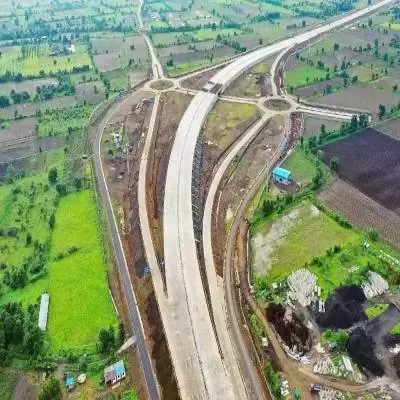
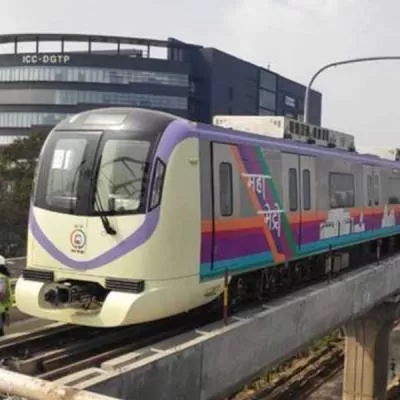
The Pune Metropolitan Region Development Authority (PMRDA), in the much-awaited first development plan (DP) for the third largest metropolitan region of the country, proposed 26 town planning schemes, 59 public housing projects along with a network of 10 metro rail routes, high-speed railway and crescent railway and two ring roads in its draft development plan.

Ajit Pawar, Deputy Chief Minister, told the media on Friday that the metropolitan region is spread over 6,914.26 square km and that the draft DP was prepared considering the future needs of the area. The development of projects proposed in the DP would be done in phases and would cost Rs 75,000 crore.

He also said that after Hyderabad and Bangalore, the PMRDA is the third-largest metropolitan region in the country and the largest in the state.

Chaired by Uddhav Thackeray, Chief Minister, the Metropolitan Planning Committee (MPC) sanctioned the publication of draft DP of the PMRDA on Thursday, which would be open for suggestions and objections from people.

Suhas Diwase, Metropolitan Commissioner, gave the presentation of the draft DP in the MPC in Mumbai. According to the draft DP, the metropolitan region will also have eight biodiversity parks, 16 public parks and 30 fire stations, along with few satellite townships to execute the concept of walk to work.

There will also be seven treatment centres for accident victims, 15 civic facilitation centres, 12 logistic centres, 13 multi-modal hubs and four regional centres.

The PMRDA proposed five mega educational centres, an agriculture processing research and development centre, eight rural strengthening centres, four agriculture produce marketing committees, five tourist destinations, two medical research centres, a sports university and two industrial research and training centres to encourage economic activities.

According to the 2011 census, the population of the PMRDA is 17.11 lakh, and it is expected to grow up to 53.7 lakh by 2041.

Diwase told the media that the sustainable development goals of the United Nations were considered while preparing the draft DP and the environmental protection and conservation have been prioritised and that it has been planned to be the most liveable habitat in the country, with a focus on making it convenient, prudent, resilient, efficient and self-sufficient.

Image Source


Also read: PMRDA plans development for 23 villages under Pune Municipal Corp

Also read: PMRDA to acquire land for Pune ring-road project

The Pune Metropolitan Region Development Authority (PMRDA), in the much-awaited first development plan (DP) for the third largest metropolitan region of the country, proposed 26 town planning schemes, 59 public housing projects along with a network of 10 metro rail routes, high-speed railway and crescent railway and two ring roads in its draft development plan. Ajit Pawar, Deputy Chief Minister, told the media on Friday that the metropolitan region is spread over 6,914.26 square km and that the draft DP was prepared considering the future needs of the area. The development of projects proposed in the DP would be done in phases and would cost Rs 75,000 crore. He also said that after Hyderabad and Bangalore, the PMRDA is the third-largest metropolitan region in the country and the largest in the state. Chaired by Uddhav Thackeray, Chief Minister, the Metropolitan Planning Committee (MPC) sanctioned the publication of draft DP of the PMRDA on Thursday, which would be open for suggestions and objections from people. Suhas Diwase, Metropolitan Commissioner, gave the presentation of the draft DP in the MPC in Mumbai. According to the draft DP, the metropolitan region will also have eight biodiversity parks, 16 public parks and 30 fire stations, along with few satellite townships to execute the concept of walk to work. There will also be seven treatment centres for accident victims, 15 civic facilitation centres, 12 logistic centres, 13 multi-modal hubs and four regional centres. The PMRDA proposed five mega educational centres, an agriculture processing research and development centre, eight rural strengthening centres, four agriculture produce marketing committees, five tourist destinations, two medical research centres, a sports university and two industrial research and training centres to encourage economic activities. According to the 2011 census, the population of the PMRDA is 17.11 lakh, and it is expected to grow up to 53.7 lakh by 2041. Diwase told the media that the sustainable development goals of the United Nations were considered while preparing the draft DP and the environmental protection and conservation have been prioritised and that it has been planned to be the most liveable habitat in the country, with a focus on making it convenient, prudent, resilient, efficient and self-sufficient. Image Source Also read: PMRDA plans development for 23 villages under Pune Municipal Corp Also read: PMRDA to acquire land for Pune ring-road project

Related Stories

Gold Stories

Next Story
Infrastructure Urban

KONE Opens India's First Digital Experience Centre in Pune

KONE, a global elevator and escalator manufacturer, has inaugurated its first Digital Experience Centre (DEC) in India, located in Pune. The facility aims to showcase how artificial intelligence (AI), connectivity and data-driven technologies can enhance customer experiences and improve building operations.The centre was inaugurated by Jussi Herlin, Executive Vice Chair, KONE Corporation; Philippe Delorme, President and CEO, KONE; and Nandan Nilekani, Co-founder and Chairman of the Board, Infosys.Designed as an interactive customer environment, the facility demonstrates digital solutions cover..

Next Story
Infrastructure Urban

CII GreenCo Launches Circularity Guidelines for Indian Industry

The Confederation of Indian Industry (CII) GreenCo Council has launched the CII GreenCo Circularity Guidelines – Pilot Version at the 17th CII GreenCo Waste & Resource Management Summit 2026 in Chennai. The initiative aims to strengthen resource efficiency, waste reduction and circular economy practices across Indian manufacturing and process industries.The guidelines introduce a structured framework with circularity indices covering raw materials, consumables, packaging and other resource inputs. These indicators will help industries assess existing practices, identify opportunities to ..

Next Story
Infrastructure Energy

Global Electronics Association Launches IPC-1783-CO2E Standard

The Global Electronics Association has introduced IPC-1783-CO2E, a new international standard aimed at improving consistency, transparency and comparability in product carbon footprint reporting across the electronics manufacturing industry.The standard, titled International Standard for Data Collection and Reporting of CO2 Equivalent (CO2e) Emissions for the Electronics Manufacturing Supply Chain, provides industry-specific guidance for collecting, estimating and reporting carbon emissions data.With increasing regulatory requirements and customer expectations, electronics manufacturers face c..

Advertisement

Subscribe to Our Newsletter

Get daily newsletters around different themes from Construction world.

STAY CONNECTED

Advertisement

SPECIAL OFFER
QR Code