Rajasthan Bans Construction Within 75 Metres of Highways
ROADS & HIGHWAYS

Rajasthan Bans Construction Within 75 Metres of Highways

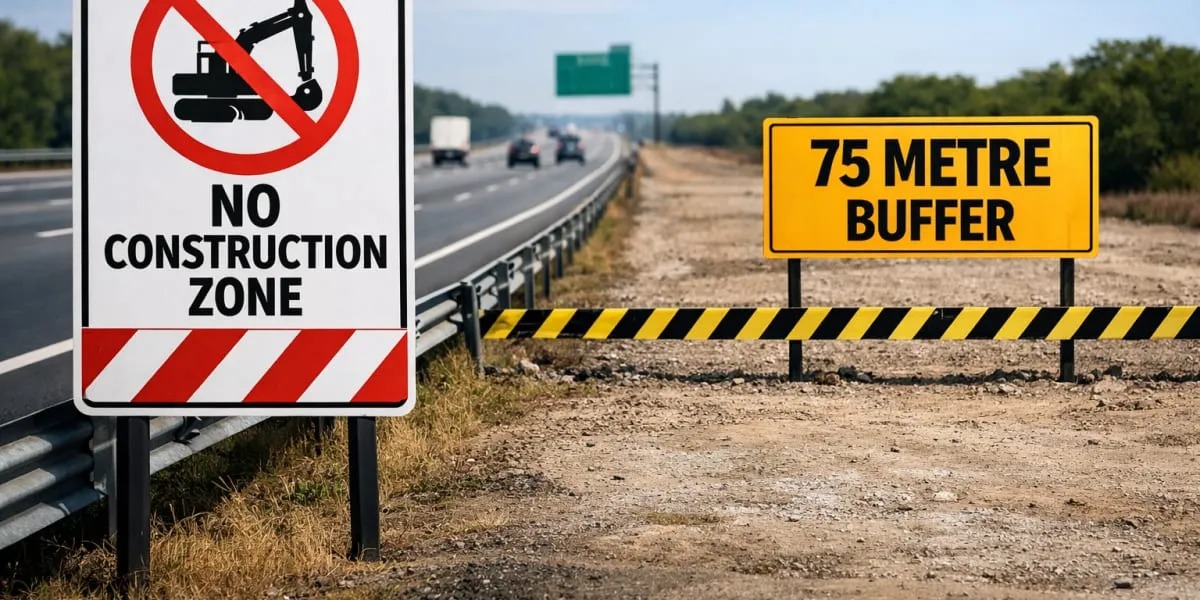
Rajasthan has issued new guidelines that prohibit construction within 75 metres of national and state highways across the state, a move intended to strengthen road safety and preserve the designated clear zone beside major thoroughfares. The guidelines define a no-construction buffer that covers commercial, residential and industrial development and require adherence to setback norms when planning land use near highway corridors. The policy is designed to prevent encroachments that compromise visibility, impede emergency access and complicate future highway widening.

The state public works department and local planning authorities have been directed to implement the measures and to update zoning maps to reflect the buffer zones, with municipal bodies required to coordinate approvals and building permits accordingly. Developers seeking permissions within transitional areas will be subject to revised scrutiny and must submit modified plans that demonstrate compliance, while landowners will be given information on permit requirements and timelines for regularisation where applicable. The administration has emphasised that routine maintenance of roadside infrastructure must proceed without creating new obstructions.

Enforcement mechanisms will include audits of existing structures, stricter clearance for new projects and administrative penalties for unauthorised construction, with district authorities tasked to carry out inspections and report non-compliance. Provisions for limited exemptions and hardship cases will be considered on merit and subject to clear conditions, and authorities will publish guidance on acceptable works within the buffer to avoid ambiguity. The guidelines are expected to include measures for signage, drainage protection and preservation of roadside vegetation.

Officials anticipate that the restrictions will support safer travel, provide space for future highway upgrades and reduce legal disputes over roadside development, while offering clearer rules for investors and residents. The state has planned a phased implementation and a review mechanism to assess impacts and refine procedures, and stakeholders have been encouraged to engage with local offices to understand requirements and transition arrangements.

Rajasthan has issued new guidelines that prohibit construction within 75 metres of national and state highways across the state, a move intended to strengthen road safety and preserve the designated clear zone beside major thoroughfares. The guidelines define a no-construction buffer that covers commercial, residential and industrial development and require adherence to setback norms when planning land use near highway corridors. The policy is designed to prevent encroachments that compromise visibility, impede emergency access and complicate future highway widening. The state public works department and local planning authorities have been directed to implement the measures and to update zoning maps to reflect the buffer zones, with municipal bodies required to coordinate approvals and building permits accordingly. Developers seeking permissions within transitional areas will be subject to revised scrutiny and must submit modified plans that demonstrate compliance, while landowners will be given information on permit requirements and timelines for regularisation where applicable. The administration has emphasised that routine maintenance of roadside infrastructure must proceed without creating new obstructions. Enforcement mechanisms will include audits of existing structures, stricter clearance for new projects and administrative penalties for unauthorised construction, with district authorities tasked to carry out inspections and report non-compliance. Provisions for limited exemptions and hardship cases will be considered on merit and subject to clear conditions, and authorities will publish guidance on acceptable works within the buffer to avoid ambiguity. The guidelines are expected to include measures for signage, drainage protection and preservation of roadside vegetation. Officials anticipate that the restrictions will support safer travel, provide space for future highway upgrades and reduce legal disputes over roadside development, while offering clearer rules for investors and residents. The state has planned a phased implementation and a review mechanism to assess impacts and refine procedures, and stakeholders have been encouraged to engage with local offices to understand requirements and transition arrangements.

Next Story
Infrastructure Urban

Lemon Tree Hotels Signs Resort In Lonavala Maharashtra

Lemon Tree Hotels Limited (LTHL) has signed a licence agreement for Lemon Tree Resort in Lonavala, Maharashtra, with the asset to be managed by Carnation Hotels Private Limited, a wholly owned subsidiary of LTHL. The resort will offer 50 well appointed rooms and will include a restaurant, banquet, meeting room, swimming pool, spa and fitness centre. The company described the addition as part of its strategy to expand branded resort offerings in key getaway destinations. Lonavala, located in the Sahyadri hills, is a popular leisure destination in western India known for scenic landscapes and a ..

Next Story
Infrastructure Urban

Kalai Chettinad Art And Architecture Festival At The Lotus Palace

The Lotus Palace Chettinad will host Kalai, the Chettinad Art and Architecture Festival, a four-day, three-night immersive celebration of the artistic legacy of Chettinad from three to six April 2026. The event has been organised by Apeejay Surrendra Park Hotels Limited (ASPHL) and will take place across restored heritage properties in Chettinad. It will be designed to offer guests a layered experience of place, structure and story that connects art, architecture and living traditions. The festival aims to present a confluence of global influences and local aesthetics. Kalai has been curated i..

Next Story
Infrastructure Energy

SJVN Reaches One bn Units At 1,000 MW Bikaner Solar Project

SJVN Limited (SJVN) has reached a milestone with its 1,000 megawatt (MW) Bikaner Solar Power Project by generating one bn units of electricity on 20 March 2026. The achievement underscores the company's role in supplying clean and sustainable energy to the national grid. The generation milestone was recorded within months of the project commencing operations and highlights rapid performance from the new facility. The Bikaner project, located in Bikaner district of Rajasthan, has been developed and implemented by SJVN Green Energy Limited (SGEL) under the Central Public Sector Undertaking Schem..

Advertisement

Subscribe to Our Newsletter

Get daily newsletters around different themes from Construction world.

STAY CONNECTED

Advertisement

Advertisement

Advertisement