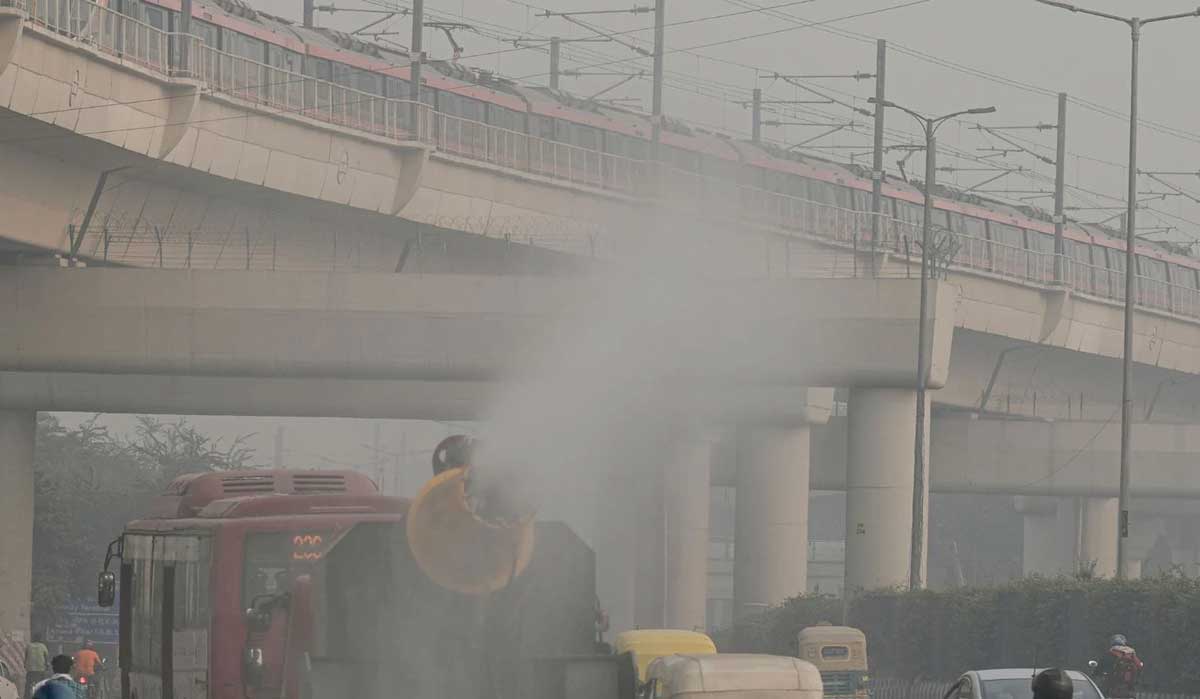
Revised GRAP in Delhi-NCR has brought construction activities to a stand-still
Read full article
CW Gold Benefits
- Weekly Industry Updates
- Industry Feature Stories
- Premium Newsletter Access
- Building Material Prices (weekly) + trends/analysis
- Best Stories from our sister publications - Indian Cement Review, Equipment India, Infrastructure Today
- Sector focused Research Reports
- Sector Wise Updates (infrastructure, cement, equipment & construction) + trend analysis
- Exclusive text & video interviews
- Digital Delivery
- Financial Data for publically listed companies + Analysis
- Preconceptual Projects in the pipeline PAN India
Related Stories




Gold Stories





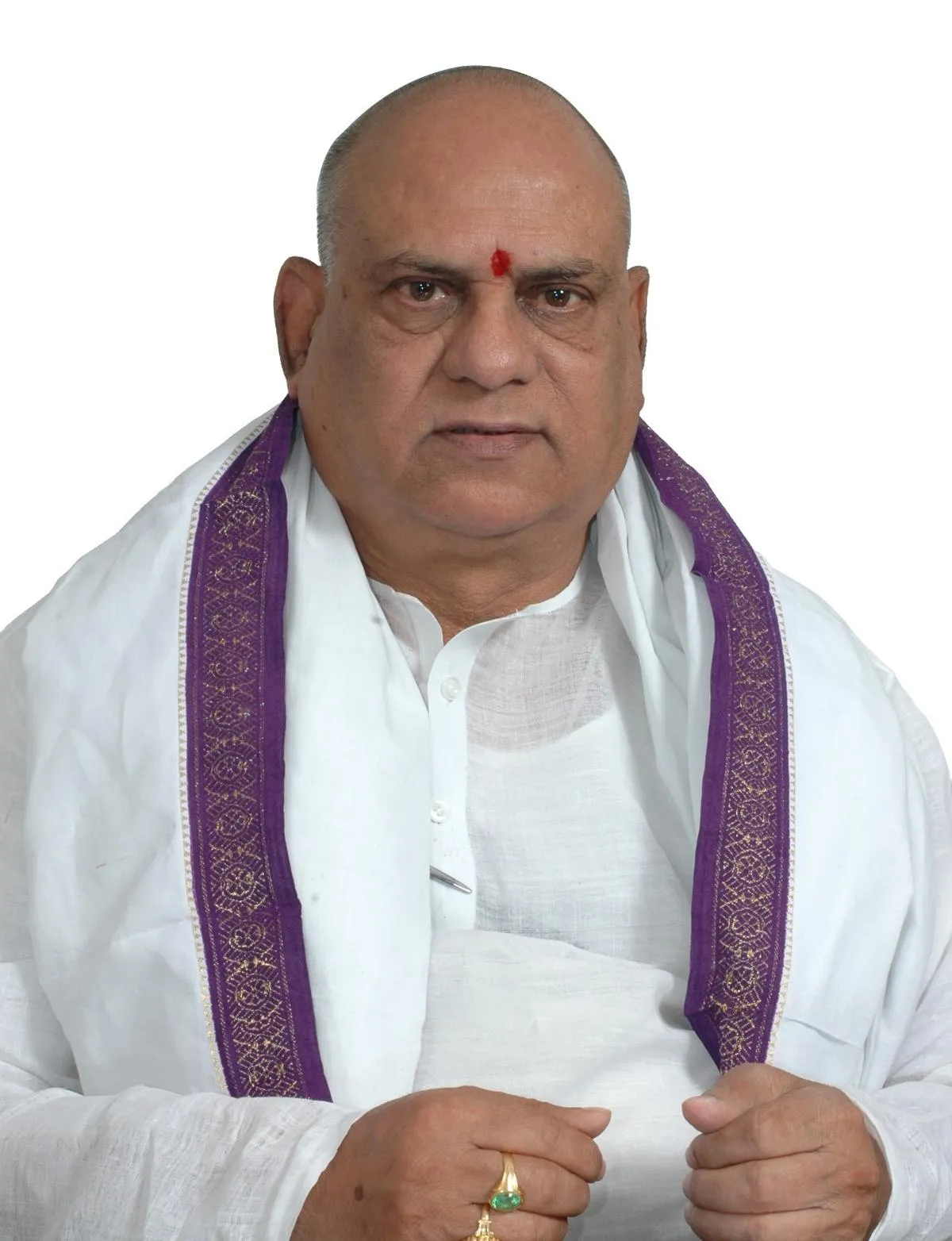
NCC Founder and Padma Shri Awardee AVS Raju Passes Away at 89
Dr Alluri Venkata Satyanarayana Raju, founder and Chairman Emeritus of NCC Limited and a Padma Shri awardee, passed away in Hyderabad on 13 October 2026. He was 89.Born on 18 April 1937 in Antarvedipalem village in Andhra Pradesh's erstwhile East Godavari district, Raju began his entrepreneurial journey in 1956. He established Nagarjuna Construction Company (NCC) Limited in 1978, which subsequently emerged as one of India's leading construction and infrastructure companies.Under his leadership, NCC became a public limited company in 1990 and expanded into one of India's prominent listed constr..

Embraer to Acquire 51 Per Cent Stake in Mahindra Aerospace Arm
Brazilian aerospace major Embraer will acquire a 51 per cent equity stake in Novavayu Aerospace, a step-down subsidiary of Mahindra and Mahindra, under an Investment Agreement notified by the automobile company in an exchange filing. The transaction will give Embraer control of the aerospace business. Following completion of the acquisition, Novavayu Aerospace will cease to be a wholly owned subsidiary and become an associate of Mahindra Defence Systems, which is a step-down wholly owned subsidiary of Mahindra and Mahindra. The agreement is expected to be completed on or before December 1. Mah..

RBI Opens Special Dollar Window for Three State-Run OMCs
The Reserve Bank of India (RBI) has opened a special facility to meet the entire daily US dollar requirements of three public sector oil marketing companies (OMCs), in a move aimed at easing pressure on the Indian rupee. The facility will take effect on October 12, 2026, and remain available until further notice. Indian Oil Corporation, Hindustan Petroleum Corporation and Bharat Petroleum Corporation are eligible to use the arrangement. Under the facility, the RBI will sell US dollars to the three companies through designated banks, allowing them to meet their oil-import payments without sourc..
Related Articles
Latest Updates