Road Ministry to Address 1,000 Black Spots on National Highways
ROADS & HIGHWAYS

Road Ministry to Address 1,000 Black Spots on National Highways

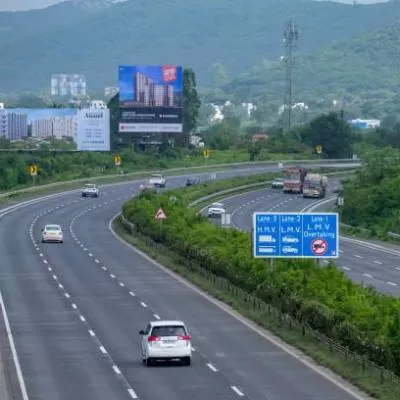
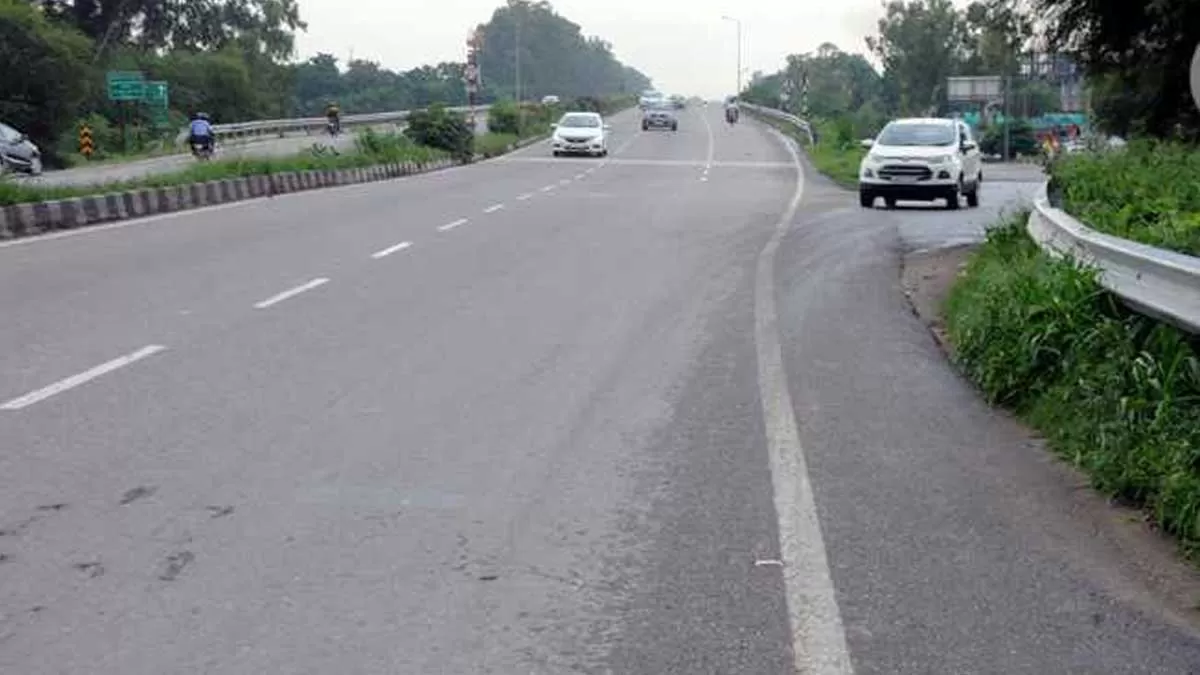
The Ministry of Road Transport and Highways (MoRTH) plans to construct 10,000 km of national highways in the 2025-26 financial year, as per the Detailed Demands For Grants released on Monday. This development is set to increase the four-lane highways within the NH network by 8%, based on government estimates.

While the target for FY26 is slightly lower than previous years, officials explained that it reflects the government’s ongoing focus on building wider, more efficient highways. Although fewer roads may be built, their enhanced carrying capacity through more lanes will significantly improve traffic flow.

The government has set a revised target of constructing 10,400 km of national highways for FY25. By December 2024, 5,853 km of these roads had been completed.

The national highway network spans a total of 1,46,195 km, with 2,474 km devoted to National High-Speed Corridors (HSC) and 45,947 km dedicated to four-lane or larger highways.

In FY24, MoRTH constructed 12,349 km of NHs at a rate of 33.83 km per day, the second highest since the record 13,327 km in FY21.

The Ministry also aims to build 1,100 km of national highways in North Eastern States and 750 km in tribal areas during the year. Additionally, the length of the Operational High-Speed Corridor is expected to reach 5,800 km in FY26.

MoRTH is looking to attract greater private investment in national highways via Hybrid Annuity Model (HAM) and Build, Operate, Transfer (BOT) models. The ministry expects private sector contractors to invest ₹35,000 crore in NH development under these public-private partnership projects during FY26, accounting for 30% of the total awarded contracts.

The Ministry of Road Transport and Highways (MoRTH) plans to construct 10,000 km of national highways in the 2025-26 financial year, as per the Detailed Demands For Grants released on Monday. This development is set to increase the four-lane highways within the NH network by 8%, based on government estimates.While the target for FY26 is slightly lower than previous years, officials explained that it reflects the government’s ongoing focus on building wider, more efficient highways. Although fewer roads may be built, their enhanced carrying capacity through more lanes will significantly improve traffic flow.The government has set a revised target of constructing 10,400 km of national highways for FY25. By December 2024, 5,853 km of these roads had been completed.The national highway network spans a total of 1,46,195 km, with 2,474 km devoted to National High-Speed Corridors (HSC) and 45,947 km dedicated to four-lane or larger highways.In FY24, MoRTH constructed 12,349 km of NHs at a rate of 33.83 km per day, the second highest since the record 13,327 km in FY21.The Ministry also aims to build 1,100 km of national highways in North Eastern States and 750 km in tribal areas during the year. Additionally, the length of the Operational High-Speed Corridor is expected to reach 5,800 km in FY26.MoRTH is looking to attract greater private investment in national highways via Hybrid Annuity Model (HAM) and Build, Operate, Transfer (BOT) models. The ministry expects private sector contractors to invest ₹35,000 crore in NH development under these public-private partnership projects during FY26, accounting for 30% of the total awarded contracts.

Next Story
Infrastructure Transport

India Becomes First to Produce Bio-Bitumen for Roads

India has become the first country in the world to commercially produce bio-bitumen for use in road construction, according to Road, Transport and Highways Minister Nitin Gadkari. Bitumen, a black and viscous hydrocarbon derived from crude oil, is a key binding material in road building, and the bio-based alternative is expected to significantly improve the sector’s environmental footprint.Addressing the CSIR Technology Transfer Ceremony in New Delhi, Mr Gadkari congratulated Council of Scientific and Industrial Research on achieving the milestone, noting that the initiative would help curb ..

Next Story
Infrastructure Urban

HILT Policy Seen Boosting Telangana Revenue Sharply

The Hyderabad Industrial Land Transformation (HILT) Policy is expected to generate around Rs 1.08 billion in revenue for the Telangana state exchequer, according to Deputy Chief Minister Bhatti Vikramarka Mallu. Speaking in the Telangana Legislative Assembly, he said the policy would be implemented within a six-month timeframe in a transparent manner, with uniform rules applicable to all stakeholders. Mr Vikramarka noted that without the HILT Policy, the state would have earned only about Rs 1.2 million per acre. Under the new framework, however, revenue is projected to rise sharply to Rs 70 ..

Next Story
Infrastructure Urban

India Post, MoRD Tie Up to Boost Rural Inclusion

The Department of Posts and the Ministry of Rural Development have signed a Memorandum of Understanding to accelerate rural transformation and expand financial, digital and logistics services for Self-Help Groups (SHGs) and rural households across India. The agreement was signed in the presence of Union Minister of Communications and Development of North Eastern Region Jyotiraditya M. Scindia and Union Minister of Rural Development and Agriculture and Farmers’ Welfare Shivraj Singh Chouhan. The collaboration aligns with the government’s “Dak Sewa, Jan Sewa” vision and seeks to repositi..

Advertisement

Subscribe to Our Newsletter

Get daily newsletters around different themes from Construction world.

STAY CONNECTED

Advertisement

Advertisement

Advertisement

Advertisement

Open In App