
Z-Morh tunnel project: Strategic importance for J&K
ROADS & HIGHWAYS

Z-Morh tunnel project: Strategic importance for J&K

The Z-Morh tunnel, a critical infrastructure project on the Srinagar-Sonamarg highway, witnessed a tragic militant attack on Sunday evening, resulting in the death of seven workers. This incident marks the first time a major infrastructure project in Jammu and Kashmir has been targeted by militants.

The tunnel, being constructed by APCO Infratech, links Gagangeer to Sonamarg in central Kashmir’s Ganderbal district. The attack took place at the construction site in the Gund area, with The Resistance Front (TRF), an affiliate of Lashkar-e-Taiba (LeT), claiming responsibility. Security forces, including police and the Army, have secured the area.

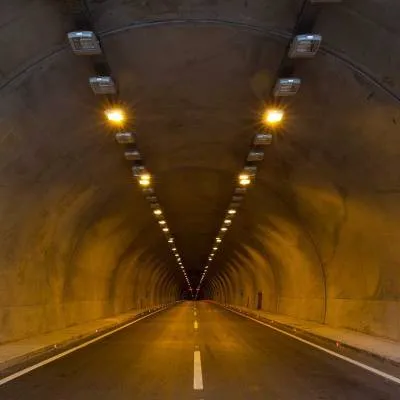
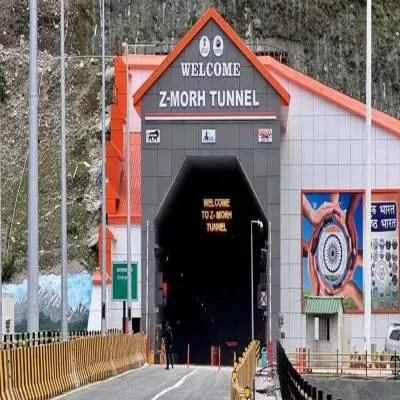
The Z-Morh tunnel is a 6.4-km-long roadway designed to connect the Sonamarg tourist resort with Kangan town in Ganderbal district. Situated near Gagangir village, the tunnel ensures all-weather access to Sonamarg along the Srinagar-Leh highway. Its name, “Z-Morh,” refers to the Z-shaped road section near the project site.

Located at over 8,500 feet above sea level, the region faces heavy snowfall and avalanches, making the road to Sonamarg impassable during most of the winter months. The tunnel will enable uninterrupted access to the area, supporting tourism and local transport year-round.

Originally planned by the Border Roads Organisation (BRO) in 2012, the project was initially awarded to Tunnelway Ltd. However, the National Highways & Infrastructure Development Corporation Limited (NHIDCL) later re-tendered the project, awarding it to APCO Infratech under a special purpose vehicle, APCO-Shri Amarnathji Tunnel Private Limited.

Although slated for completion by August 2023, delays shifted the soft opening to February 2024. However, the formal inauguration has been postponed due to the Model Code of Conduct (MCC) for the Jammu and Kashmir Assembly elections.

Beyond facilitating all-weather tourism at Sonamarg, the tunnel plays a crucial role in maintaining connectivity to Ladakh. This is essential for the movement of military personnel and supplies to border areas.

The Z-Morh tunnel is also pivotal for the success of the ongoing Zojila tunnel project, which will link Sonamarg with Drass in Ladakh at an altitude of approximately 12,000 feet. The Zojila tunnel, expected to be completed by December 2026, will further enhance year-round connectivity, making the Z-Morh tunnel a key component in the region’s strategic infrastructure network. (Business Standard)

The Z-Morh tunnel, a critical infrastructure project on the Srinagar-Sonamarg highway, witnessed a tragic militant attack on Sunday evening, resulting in the death of seven workers. This incident marks the first time a major infrastructure project in Jammu and Kashmir has been targeted by militants. The tunnel, being constructed by APCO Infratech, links Gagangeer to Sonamarg in central Kashmir’s Ganderbal district. The attack took place at the construction site in the Gund area, with The Resistance Front (TRF), an affiliate of Lashkar-e-Taiba (LeT), claiming responsibility. Security forces, including police and the Army, have secured the area. The Z-Morh tunnel is a 6.4-km-long roadway designed to connect the Sonamarg tourist resort with Kangan town in Ganderbal district. Situated near Gagangir village, the tunnel ensures all-weather access to Sonamarg along the Srinagar-Leh highway. Its name, “Z-Morh,” refers to the Z-shaped road section near the project site. Located at over 8,500 feet above sea level, the region faces heavy snowfall and avalanches, making the road to Sonamarg impassable during most of the winter months. The tunnel will enable uninterrupted access to the area, supporting tourism and local transport year-round. Originally planned by the Border Roads Organisation (BRO) in 2012, the project was initially awarded to Tunnelway Ltd. However, the National Highways & Infrastructure Development Corporation Limited (NHIDCL) later re-tendered the project, awarding it to APCO Infratech under a special purpose vehicle, APCO-Shri Amarnathji Tunnel Private Limited. Although slated for completion by August 2023, delays shifted the soft opening to February 2024. However, the formal inauguration has been postponed due to the Model Code of Conduct (MCC) for the Jammu and Kashmir Assembly elections. Beyond facilitating all-weather tourism at Sonamarg, the tunnel plays a crucial role in maintaining connectivity to Ladakh. This is essential for the movement of military personnel and supplies to border areas. The Z-Morh tunnel is also pivotal for the success of the ongoing Zojila tunnel project, which will link Sonamarg with Drass in Ladakh at an altitude of approximately 12,000 feet. The Zojila tunnel, expected to be completed by December 2026, will further enhance year-round connectivity, making the Z-Morh tunnel a key component in the region’s strategic infrastructure network. (Business Standard)

Next Story
Infrastructure Transport

India Becomes First to Produce Bio-Bitumen for Roads

India has become the first country in the world to commercially produce bio-bitumen for use in road construction, according to Road, Transport and Highways Minister Nitin Gadkari. Bitumen, a black and viscous hydrocarbon derived from crude oil, is a key binding material in road building, and the bio-based alternative is expected to significantly improve the sector’s environmental footprint.Addressing the CSIR Technology Transfer Ceremony in New Delhi, Mr Gadkari congratulated Council of Scientific and Industrial Research on achieving the milestone, noting that the initiative would help curb ..

Next Story
Infrastructure Urban

HILT Policy Seen Boosting Telangana Revenue Sharply

The Hyderabad Industrial Land Transformation (HILT) Policy is expected to generate around Rs 1.08 billion in revenue for the Telangana state exchequer, according to Deputy Chief Minister Bhatti Vikramarka Mallu. Speaking in the Telangana Legislative Assembly, he said the policy would be implemented within a six-month timeframe in a transparent manner, with uniform rules applicable to all stakeholders. Mr Vikramarka noted that without the HILT Policy, the state would have earned only about Rs 1.2 million per acre. Under the new framework, however, revenue is projected to rise sharply to Rs 70 ..

Next Story
Infrastructure Urban

India Post, MoRD Tie Up to Boost Rural Inclusion

The Department of Posts and the Ministry of Rural Development have signed a Memorandum of Understanding to accelerate rural transformation and expand financial, digital and logistics services for Self-Help Groups (SHGs) and rural households across India. The agreement was signed in the presence of Union Minister of Communications and Development of North Eastern Region Jyotiraditya M. Scindia and Union Minister of Rural Development and Agriculture and Farmers’ Welfare Shivraj Singh Chouhan. The collaboration aligns with the government’s “Dak Sewa, Jan Sewa” vision and seeks to repositi..

Advertisement

Subscribe to Our Newsletter

Get daily newsletters around different themes from Construction world.

STAY CONNECTED

Advertisement

Advertisement

Advertisement

Advertisement

Open In App