Maharashtra Cabinet Approves Rs 240 Bn Metro Projects Across Four Cities
RAILWAYS & METRO RAIL

Maharashtra Cabinet Approves Rs 240 Bn Metro Projects Across Four Cities

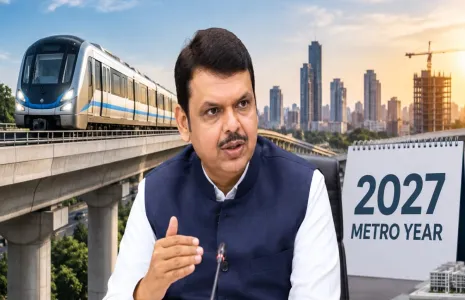
The Maharashtra Cabinet, chaired by Chief Minister Devendra Fadnavis, has approved three key decisions to boost metro connectivity across the state. The projects, with an investment exceeding Rs 240 billion, cover Mumbai, Pune, Thane, and Nagpur.

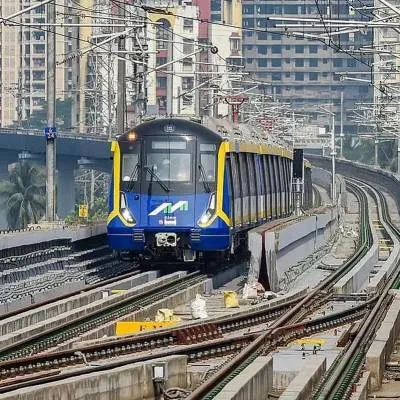
The Cabinet has sanctioned Mumbai Metro Line-11, an extension of Line-4 (Wadala–Thane–Kasarvadavali). The 17.51 km corridor will connect Anik Depot–Wadala–Gateway of India, with 70 per cent of the stretch underground. It will include 13 underground and one at-grade station.

The project, estimated at Rs 234.87 billion, will be executed by Mumbai Metro Rail Corporation (MMRCL). The state has also approved seeking Central Government support of Rs 31.37 billion in equity and Rs 9.16 billion in interest-free subordinate debt, while accepting responsibility for loan repayment.

The Cabinet also approved raising loans to fund key metro extensions, including:
  • Thane Ring Road Metro
  • Pimpri-Chinchwad–Nigdi and Swargate–Katraj corridors in Pune
  • Vanaz–Chandani Chowk and Ramwadi–Wagholi extensions of Pune Metro Line-2
  • Khadakwasla–Swargate–Hadapsar–Kharadi line and Nal Stop–Warje–Manikbagh spur under Pune Metro Line-4
  • Nagpur Metro Phase-2
The loans will be sourced from bilateral and multilateral agencies at concessional rates, with the state agreeing to bear repayment responsibilities.

Two New Stations, Shift in Katraj Alignment
Additionally, the Cabinet approved two new metro stations—Balajinagar and Bibwewadi—on Pune’s Swargate–Katraj corridor, along with shifting the Katraj station 421 metres southwards for better integration with the PMPML bus terminal. An expenditure of Rs 6.83 billion has been sanctioned, of which Pune Municipal Corporation will contribute Rs 2.27 billion, with the rest raised via loans.
The Pune Metro Phase-1 project, spanning 33.28 km across two corridors, is under execution by Maha-Metro, while Line-3 (Hinjewadi–Shivajinagar) is being developed under a PPP model by PMRDA.
Officials said the Cabinet decisions will accelerate metro development across Maharashtra’s major cities, reduce congestion, and strengthen sustainable transport infrastructure.

News source: The Free Press Journal

The Maharashtra Cabinet, chaired by Chief Minister Devendra Fadnavis, has approved three key decisions to boost metro connectivity across the state. The projects, with an investment exceeding Rs 240 billion, cover Mumbai, Pune, Thane, and Nagpur.The Cabinet has sanctioned Mumbai Metro Line-11, an extension of Line-4 (Wadala–Thane–Kasarvadavali). The 17.51 km corridor will connect Anik Depot–Wadala–Gateway of India, with 70 per cent of the stretch underground. It will include 13 underground and one at-grade station.The project, estimated at Rs 234.87 billion, will be executed by Mumbai Metro Rail Corporation (MMRCL). The state has also approved seeking Central Government support of Rs 31.37 billion in equity and Rs 9.16 billion in interest-free subordinate debt, while accepting responsibility for loan repayment.The Cabinet also approved raising loans to fund key metro extensions, including:Thane Ring Road MetroPimpri-Chinchwad–Nigdi and Swargate–Katraj corridors in PuneVanaz–Chandani Chowk and Ramwadi–Wagholi extensions of Pune Metro Line-2Khadakwasla–Swargate–Hadapsar–Kharadi line and Nal Stop–Warje–Manikbagh spur under Pune Metro Line-4Nagpur Metro Phase-2The loans will be sourced from bilateral and multilateral agencies at concessional rates, with the state agreeing to bear repayment responsibilities.Two New Stations, Shift in Katraj AlignmentAdditionally, the Cabinet approved two new metro stations—Balajinagar and Bibwewadi—on Pune’s Swargate–Katraj corridor, along with shifting the Katraj station 421 metres southwards for better integration with the PMPML bus terminal. An expenditure of Rs 6.83 billion has been sanctioned, of which Pune Municipal Corporation will contribute Rs 2.27 billion, with the rest raised via loans.The Pune Metro Phase-1 project, spanning 33.28 km across two corridors, is under execution by Maha-Metro, while Line-3 (Hinjewadi–Shivajinagar) is being developed under a PPP model by PMRDA.Officials said the Cabinet decisions will accelerate metro development across Maharashtra’s major cities, reduce congestion, and strengthen sustainable transport infrastructure.News source: The Free Press Journal

Next Story
Infrastructure Transport

India Becomes First to Produce Bio-Bitumen for Roads

India has become the first country in the world to commercially produce bio-bitumen for use in road construction, according to Road, Transport and Highways Minister Nitin Gadkari. Bitumen, a black and viscous hydrocarbon derived from crude oil, is a key binding material in road building, and the bio-based alternative is expected to significantly improve the sector’s environmental footprint.Addressing the CSIR Technology Transfer Ceremony in New Delhi, Mr Gadkari congratulated Council of Scientific and Industrial Research on achieving the milestone, noting that the initiative would help curb ..

Next Story
Infrastructure Urban

HILT Policy Seen Boosting Telangana Revenue Sharply

The Hyderabad Industrial Land Transformation (HILT) Policy is expected to generate around Rs 1.08 billion in revenue for the Telangana state exchequer, according to Deputy Chief Minister Bhatti Vikramarka Mallu. Speaking in the Telangana Legislative Assembly, he said the policy would be implemented within a six-month timeframe in a transparent manner, with uniform rules applicable to all stakeholders. Mr Vikramarka noted that without the HILT Policy, the state would have earned only about Rs 1.2 million per acre. Under the new framework, however, revenue is projected to rise sharply to Rs 70 ..

Next Story
Infrastructure Urban

India Post, MoRD Tie Up to Boost Rural Inclusion

The Department of Posts and the Ministry of Rural Development have signed a Memorandum of Understanding to accelerate rural transformation and expand financial, digital and logistics services for Self-Help Groups (SHGs) and rural households across India. The agreement was signed in the presence of Union Minister of Communications and Development of North Eastern Region Jyotiraditya M. Scindia and Union Minister of Rural Development and Agriculture and Farmers’ Welfare Shivraj Singh Chouhan. The collaboration aligns with the government’s “Dak Sewa, Jan Sewa” vision and seeks to repositi..

Advertisement

Subscribe to Our Newsletter

Get daily newsletters around different themes from Construction world.

STAY CONNECTED

Advertisement

Advertisement

Advertisement

Advertisement

Open In App