25-km viaduct construction completed for Mumbai-Ahmedabad bullet train
RAILWAYS & METRO RAIL

25-km viaduct construction completed for Mumbai-Ahmedabad bullet train

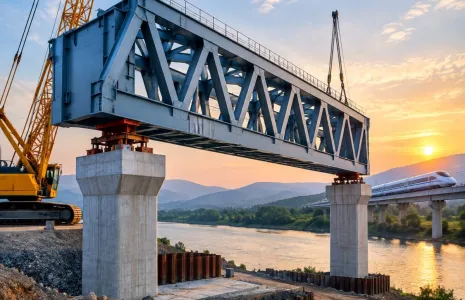
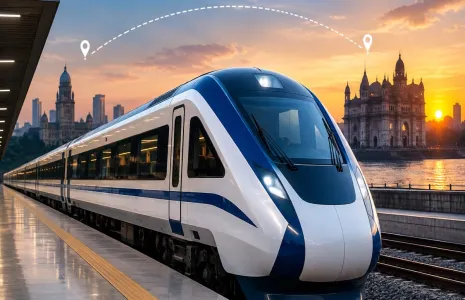
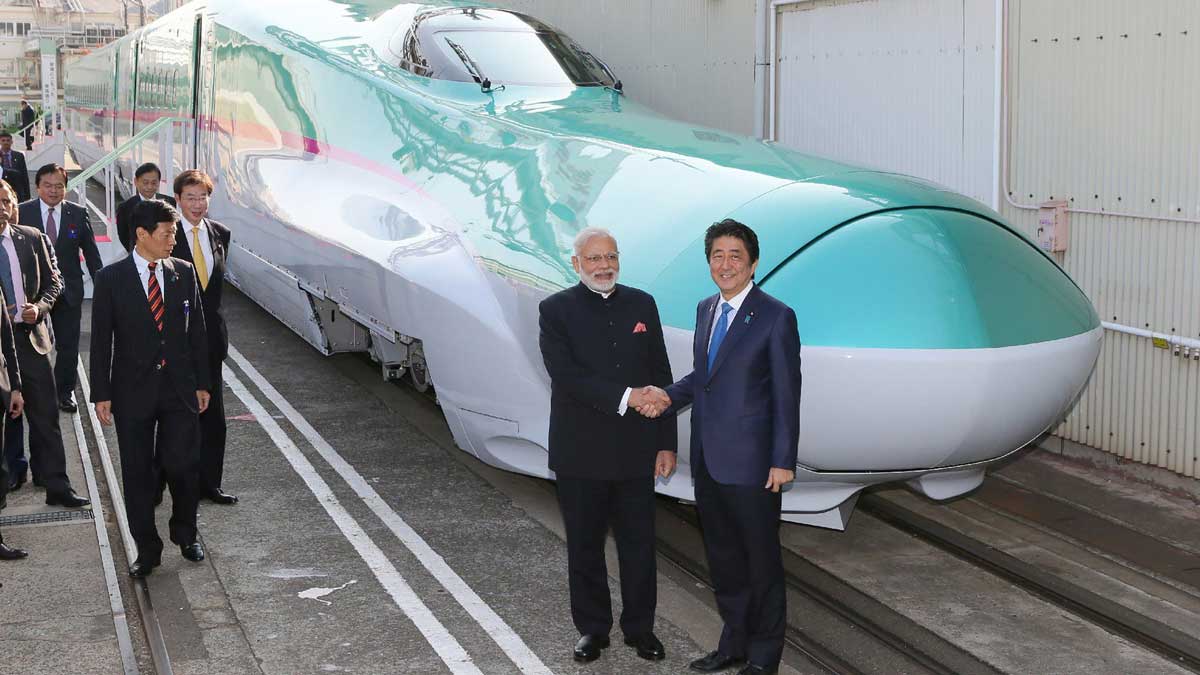
Over 25 km of the viaduct in Gujarat, including 5.7 km of the continuous viaduct at Vadodara and 19.58 km at several other locations, have been built as part of the Mumbai-Ahmedabad bullet train project. The actual track and systems are carried by the viaduct, an elevated, bridge-like structure made of concrete. Top government representatives from Japan and India will gather for a periodic stock-taking meeting to go over various aspects of the ongoing project.

All of the contracts for civil work, bridges, and track for the building of viaducts, bridges, stations, etc. for the entire 352 km portion of the corridor in Gujarat and Dadra and Nagar Haveli have been awarded. Over the past two years, the speed at which contracts have been awarded has increased following the floating of tenders, evaluation of bids, and drawn-out procedures. On October 28, 2020, the project's first civil contract was awarded. According to officials, eight stations between Vapi and Sabarmati are in various phases of construction.

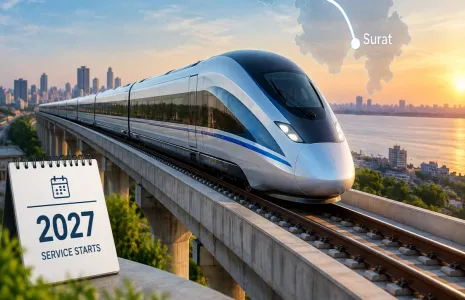
Construction has been begun along the entire alignment that passes through eight districts of Gujarat and Dadra and Nagar Haveli. According to official figures, 236.6 km of piles have been cast, 154.3 km of foundation, and 133.8 km of piers have been built. Additionally, across the 44.4 km patch, 1000 girders have been cast. Also ongoing are significant bridge projects on the Narmada, Tapti, Mahi, and Sabarmati rivers. The construction of the bullet train has accelerated recently after languishing in a state of limbo for years, including in Maharashtra, where nearly all the land has been purchased with active support from the state administration led by Eknath Shinde. The project is expected to be finished by 2027, according to officials.

Over 25 km of the viaduct in Gujarat, including 5.7 km of the continuous viaduct at Vadodara and 19.58 km at several other locations, have been built as part of the Mumbai-Ahmedabad bullet train project. The actual track and systems are carried by the viaduct, an elevated, bridge-like structure made of concrete. Top government representatives from Japan and India will gather for a periodic stock-taking meeting to go over various aspects of the ongoing project. All of the contracts for civil work, bridges, and track for the building of viaducts, bridges, stations, etc. for the entire 352 km portion of the corridor in Gujarat and Dadra and Nagar Haveli have been awarded. Over the past two years, the speed at which contracts have been awarded has increased following the floating of tenders, evaluation of bids, and drawn-out procedures. On October 28, 2020, the project's first civil contract was awarded. According to officials, eight stations between Vapi and Sabarmati are in various phases of construction. Construction has been begun along the entire alignment that passes through eight districts of Gujarat and Dadra and Nagar Haveli. According to official figures, 236.6 km of piles have been cast, 154.3 km of foundation, and 133.8 km of piers have been built. Additionally, across the 44.4 km patch, 1000 girders have been cast. Also ongoing are significant bridge projects on the Narmada, Tapti, Mahi, and Sabarmati rivers. The construction of the bullet train has accelerated recently after languishing in a state of limbo for years, including in Maharashtra, where nearly all the land has been purchased with active support from the state administration led by Eknath Shinde. The project is expected to be finished by 2027, according to officials.

Next Story
Infrastructure Urban

Teknovace, Remmers Forge Rs 3 Bn Deal for Global Coatings Hub

Teknovace has entered into a strategic global partnership with Germany-based Remmers Gruppe SE to build a large-scale, export-oriented wood coatings manufacturing platform in India. As part of the alliance, Remmers will make a strategic equity investment of Rs 3 billion to acquire a 50.01 per cent stake in Teknovace in two tranches, marking one of the largest foreign strategic investments in India’s wood coatings sector.The partnership comes at a time when India’s wood coatings market, valued at around $1.3 billion (Rs 100 billion), is growing at an estimated 11% annually, driven by demand..

Next Story
Infrastructure Urban

Jyoti Structures Commissions Galvanisation at Second Nashik Unit

Jyoti Structures has commissioned galvanisation operations at its second tower manufacturing unit in Nashik, strengthening its in-house capabilities across critical stages of power transmission infrastructure production. The listed Engineering, Procurement and Construction (EPC) company operates globally and has delivered projects for customers across more than 50 countries.The second Nashik unit, with an annual manufacturing capacity of 36,000 metric tonnes, has become operational following the completion of installation, testing and readiness of the new galvanising facilities. With this deve..

Next Story
Infrastructure Energy

Rosatom Connects First Kursk NPP-2 Unit to National Grid

Rosatom has launched the first power unit of the Kursk Nuclear Power Plant-2 (Kursk NPP-2) into Russia’s Unified Energy System, marking a key milestone in the country’s nuclear energy programme. The initial grid connection took place at the end of the year, bringing a new source of low-carbon electricity online for the Kursk region and the broader Central Energy System.The newly commissioned unit is the first implementation of the VVER-TOI reactor design, which incorporates advanced safety and performance features. With an installed capacity of 1,250 MW, it is the most powerful nuclear pow..

Advertisement

Subscribe to Our Newsletter

Get daily newsletters around different themes from Construction world.

STAY CONNECTED

Advertisement

Advertisement

Advertisement

Advertisement

Open In App