Bengaluru Yellow Line Metro Adds Fourth Train to Reduce Waits
RAILWAYS & METRO RAIL

Bengaluru Yellow Line Metro Adds Fourth Train to Reduce Waits

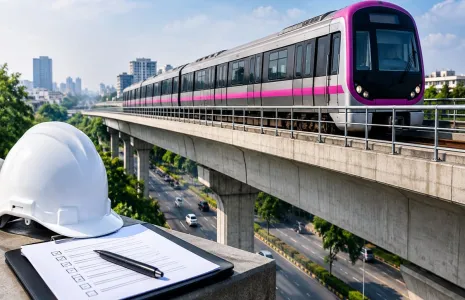
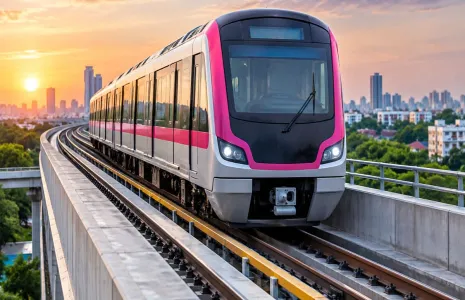
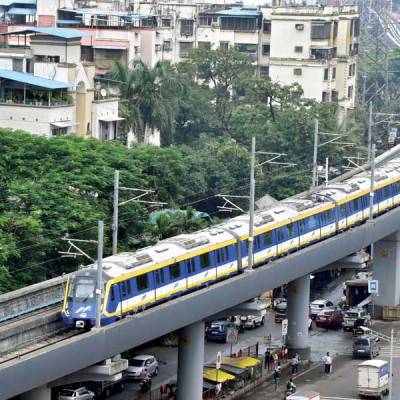
 Commuters on Bengaluru’s Yellow Line Metro can expect shorter intervals between trains this week as the Bangalore Metro Rail Corporation Limited (BMRCL) prepares to introduce a fourth train on the Electronics City stretch. Sources confirmed the new train will begin operations on 10 September, following completion of essential mainline testing.
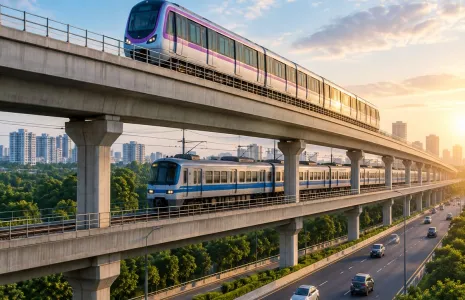
Currently, three trains serve the 19 km Yellow Line from R V Road to Bommasandra, resulting in a wait time of around 25 minutes. The fourth train is expected to reduce this interval to approximately 18–20 minutes, significantly improving convenience for daily travellers. The line, launched by Prime Minister Narendra Modi on 10 August, serves key technology corridors including Electronics City.
Further enhancements are planned: a fifth train is expected from Titagarh by 19 September, with a sixth anticipated by late October. These additions form part of BMRCL’s broader strategy to increase capacity on the Yellow Line, which currently carries around 80,000 passengers daily, including those transferring from other lines.
Bengaluru South MP Tejasvi Surya has called for the urgent airlifting of two sets of train bogies from China to accelerate fleet expansion. Manufactured by China’s CRRC Nanjing Puzhen Co., these bogies are part of a larger 2019 contract to deliver 216 metro coaches. In line with ‘Make in India’ policies, CRRC is collaborating with Titagarh Rail Systems Ltd to assemble part of the fleet domestically.

 Commuters on Bengaluru’s Yellow Line Metro can expect shorter intervals between trains this week as the Bangalore Metro Rail Corporation Limited (BMRCL) prepares to introduce a fourth train on the Electronics City stretch. Sources confirmed the new train will begin operations on 10 September, following completion of essential mainline testing.Currently, three trains serve the 19 km Yellow Line from R V Road to Bommasandra, resulting in a wait time of around 25 minutes. The fourth train is expected to reduce this interval to approximately 18–20 minutes, significantly improving convenience for daily travellers. The line, launched by Prime Minister Narendra Modi on 10 August, serves key technology corridors including Electronics City.Further enhancements are planned: a fifth train is expected from Titagarh by 19 September, with a sixth anticipated by late October. These additions form part of BMRCL’s broader strategy to increase capacity on the Yellow Line, which currently carries around 80,000 passengers daily, including those transferring from other lines.Bengaluru South MP Tejasvi Surya has called for the urgent airlifting of two sets of train bogies from China to accelerate fleet expansion. Manufactured by China’s CRRC Nanjing Puzhen Co., these bogies are part of a larger 2019 contract to deliver 216 metro coaches. In line with ‘Make in India’ policies, CRRC is collaborating with Titagarh Rail Systems Ltd to assemble part of the fleet domestically.

Related Stories

Gold Stories

Next Story
Infrastructure Energy

KPIL announces new business wins worth Rs 22.25 bn

Kalpataru Projects International (KPIL) has secured new orders and a letter of comfort worth approximately Rs 20.31 billion in its power transmission and distribution (T&D) business across India and international markets. Additionally, its Swedish subsidiary, Linjemontage i Grästorp AB, has received an order worth approximately Rs 1.94 billion (SEK 200 million), taking the combined order value to Rs 22.25 billion.Commenting on the order wins, Manish Mohnot, Managing Director and CEO, KPIL, said the new orders reflect customer confidence in the company's execution capabilities and technical ex..
Next Story
Infrastructure Transport

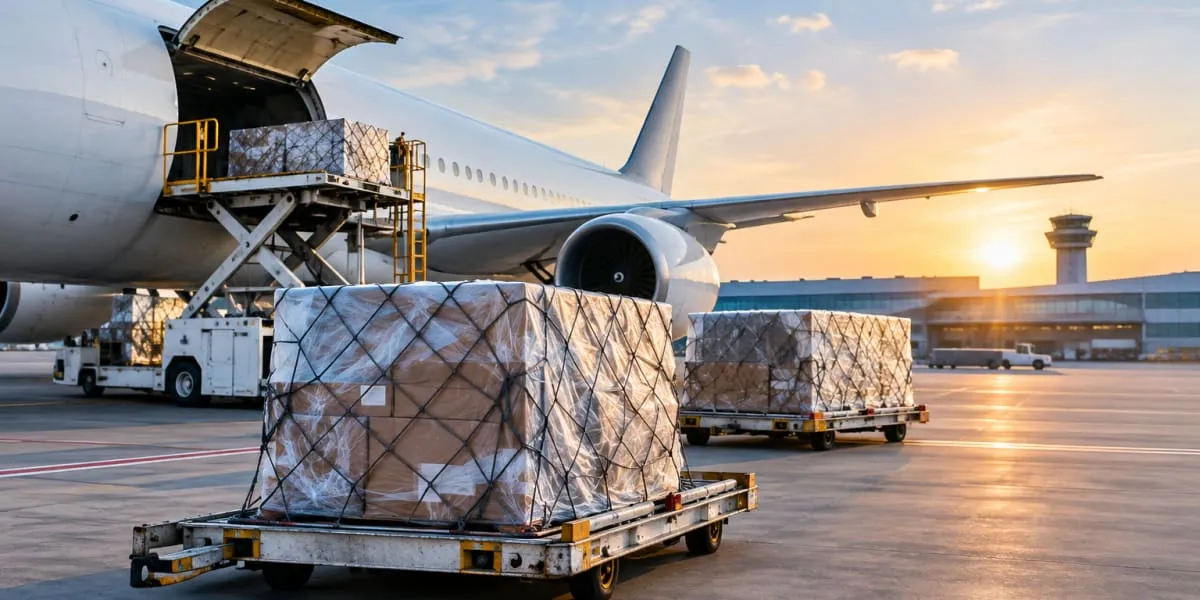
Tiruchi Airport Handles over 20 t of Domestic Cargo in a Month

Tiruchi International Airport has handled more than 20 t of inbound and outbound domestic cargo since the facility was launched in late August. Outbound shipments have exceeded inbound volumes, with private carriers transporting goods to Chennai, Delhi, Bengaluru and Mumbai. The domestic cargo service began after the Bureau of Civil Aviation Security (BCAS), an independent department under the Ministry of Civil Aviation, granted clearance. The facility was introduced to give local businesses a faster route for sending goods to major domestic hubs, reducing their reliance on cargo routed throug..
Next Story
Infrastructure Urban

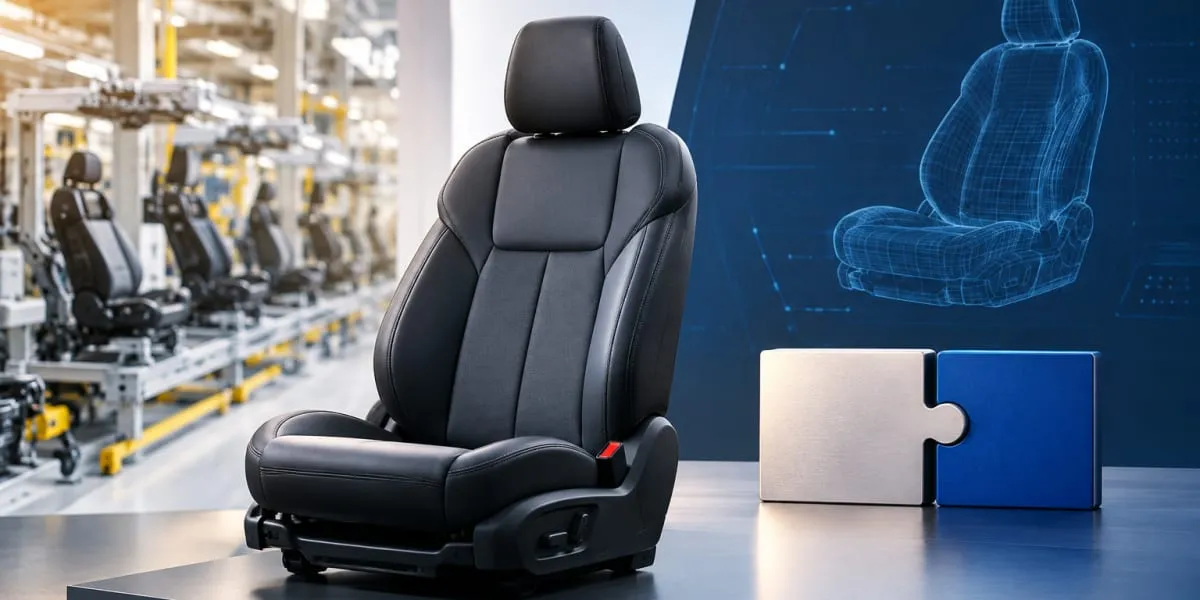
Gabriel India Forms Joint Venture with Forvia for Advanced Seating

Gabriel India, part of the US$2.6 bn Anand Group, has formed a joint venture with France-based Forvia to bring advanced seating systems and technologies to the Indian automotive market. The partnership expands Gabriel India’s participation in vehicle systems as automotive architectures become more sophisticated and customer requirements evolve. The joint venture, named Faurecia Anand Seating India, combines Forvia’s global seating technology expertise with Gabriel India’s manufacturing capabilities, customer relationships and understanding of the Indian automotive market. Forvia will hol..

Advertisement

Subscribe to Our Newsletter

Get daily newsletters around different themes from Construction world.

STAY CONNECTED

Advertisement

SPECIAL OFFER
QR Code