Bhopal Metro Faces High Operating Costs amid Low Ridership
RAILWAYS & METRO RAIL

Bhopal Metro Faces High Operating Costs amid Low Ridership

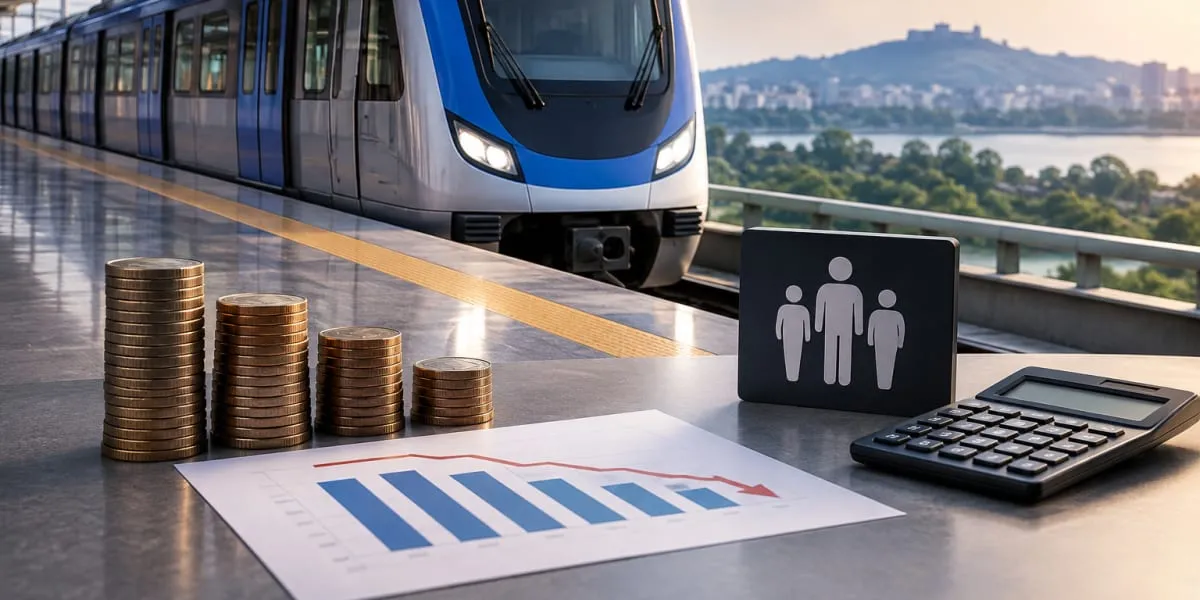
Bhopal Metro is spending an estimated Rs. 3.8-4.8 mn a week on operations and maintenance, while low passenger numbers keep fare income well below costs. The financial gap is placing pressure on the nearly 7 km priority corridor as the system waits for a wider network to attract regular commuters.

Madhya Pradesh Metro Rail Corporation (MPMRCL) Managing Director S Krishna Chaitanya has estimated annual operating and maintenance costs at Rs. 200-250 mn. That equates to about Rs. 0.55-0.68 mn a day, while estimated weekday ridership ranges from 150 to 500 passengers and weekend use reaches up to 1,500.

At an assumed average fare of Rs. 50, ticket receipts remain substantially below daily expenditure. The figures are estimates rather than audited financial data, and MPMRCL’s public relations officer did not provide updated passenger numbers. Services increased from nine trips a day to about 20 in July, but no current data is available to show whether the change produced sustained growth.

The priority corridor runs nearly 7 km between AIIMS and Subhash Nagar, with eight stations, and opened in December 2025. Its limited coverage restricts its usefulness for cross-city travel. During the initial operating period, ridership rose from 275 passengers on January 15 to nearly 1,000 on January 18, while 3,350 passengers used the system between January 13 and 20; these figures do not represent current usage.

With fares unable to cover costs at present passenger levels, MPMRCL is pursuing advertising, commercial leasing, semi-naming rights and events. A November 2025 tender offered advertising space on more than 700 pillars, while commercial sites covering about 620 square metres at Board Office Chauraha and 2,470 square metres at Subhash Nagar were offered for use. Celebration on Wheels allows coaches and selected station areas to be hired for private events, photography and filming, although early bookings were limited.

The system’s longer-term viability depends on network expansion, connectivity and service frequency. Wider coverage expected by 2028 could enlarge the catchment area, but non-fare initiatives alone are unlikely to close a substantial operating gap without sustained passenger growth. MPMRCL must therefore balance current service costs with the need to build demand before expansion.

Bhopal Metro is spending an estimated Rs. 3.8-4.8 mn a week on operations and maintenance, while low passenger numbers keep fare income well below costs. The financial gap is placing pressure on the nearly 7 km priority corridor as the system waits for a wider network to attract regular commuters. Madhya Pradesh Metro Rail Corporation (MPMRCL) Managing Director S Krishna Chaitanya has estimated annual operating and maintenance costs at Rs. 200-250 mn. That equates to about Rs. 0.55-0.68 mn a day, while estimated weekday ridership ranges from 150 to 500 passengers and weekend use reaches up to 1,500. At an assumed average fare of Rs. 50, ticket receipts remain substantially below daily expenditure. The figures are estimates rather than audited financial data, and MPMRCL’s public relations officer did not provide updated passenger numbers. Services increased from nine trips a day to about 20 in July, but no current data is available to show whether the change produced sustained growth. The priority corridor runs nearly 7 km between AIIMS and Subhash Nagar, with eight stations, and opened in December 2025. Its limited coverage restricts its usefulness for cross-city travel. During the initial operating period, ridership rose from 275 passengers on January 15 to nearly 1,000 on January 18, while 3,350 passengers used the system between January 13 and 20; these figures do not represent current usage. With fares unable to cover costs at present passenger levels, MPMRCL is pursuing advertising, commercial leasing, semi-naming rights and events. A November 2025 tender offered advertising space on more than 700 pillars, while commercial sites covering about 620 square metres at Board Office Chauraha and 2,470 square metres at Subhash Nagar were offered for use. Celebration on Wheels allows coaches and selected station areas to be hired for private events, photography and filming, although early bookings were limited. The system’s longer-term viability depends on network expansion, connectivity and service frequency. Wider coverage expected by 2028 could enlarge the catchment area, but non-fare initiatives alone are unlikely to close a substantial operating gap without sustained passenger growth. MPMRCL must therefore balance current service costs with the need to build demand before expansion.

Related Stories

Gold Stories

Next Story
Infrastructure Urban

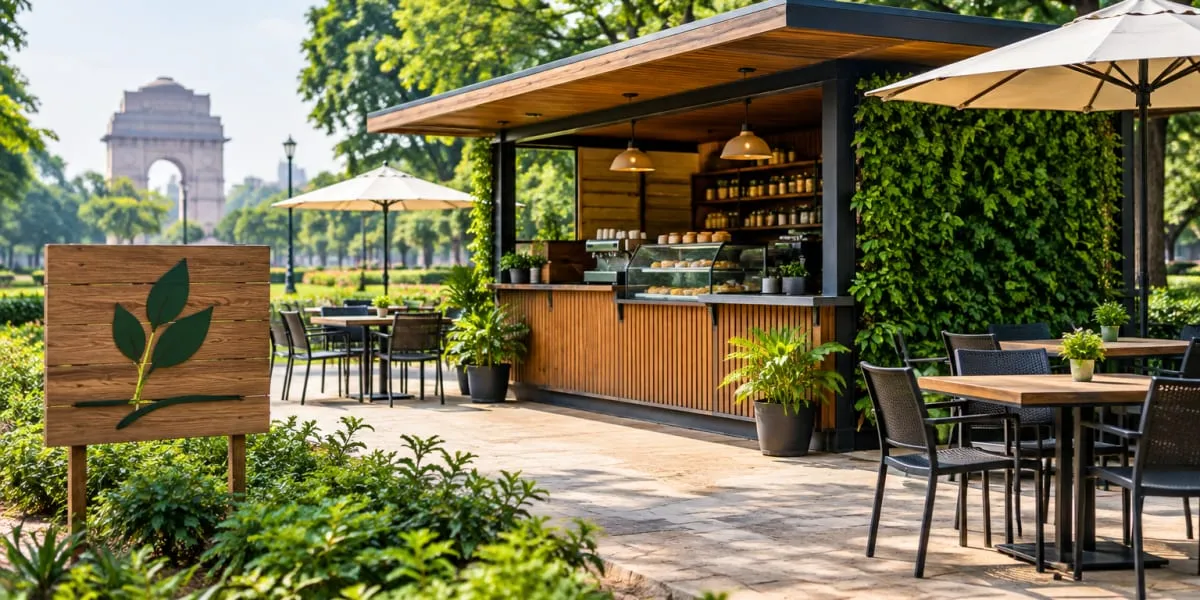
NDMC Approves Five Prakriti Cafés in Three Delhi Parks

The New Delhi Municipal Council (NDMC) approved the setting up of five Prakriti Cafés across three prominent parks in the capital during its council meeting on Tuesday. The locations include Lodhi Garden, Nehru Park and BRICS Garden on Shanti Path. Two cafés will be developed in Lodhi Garden, while two others will come up in Nehru Park. The remaining café is planned for BRICS Garden. The council granted in-principle approval to explore the project under the Build-Operate-Transfer (BOT) model. Under the proposed arrangement, the selected agency will develop the cafés at its own cost and man..

Next Story
Infrastructure Transport

Air India and Airbus to Build India's First Corporate SAF Programme

Air India and Airbus have partnered to develop a framework for India’s first voluntary corporate Sustainable Aviation Fuel (SAF) programme. The feasibility study will examine how businesses can reduce lifecycle emissions associated with air travel by voluntarily supporting the procurement and use of SAF. Jürgen Westermeier, President and Managing Director of Airbus India and South Asia, and P Balaji, Group Head of Governance, Risk and Compliance and Corporate Affairs at Air India, signed the Feasibility Study Agreement. The signing took place in the presence of Rammohan Naidu Kinjarapu, Min..
Next Story
Infrastructure Energy

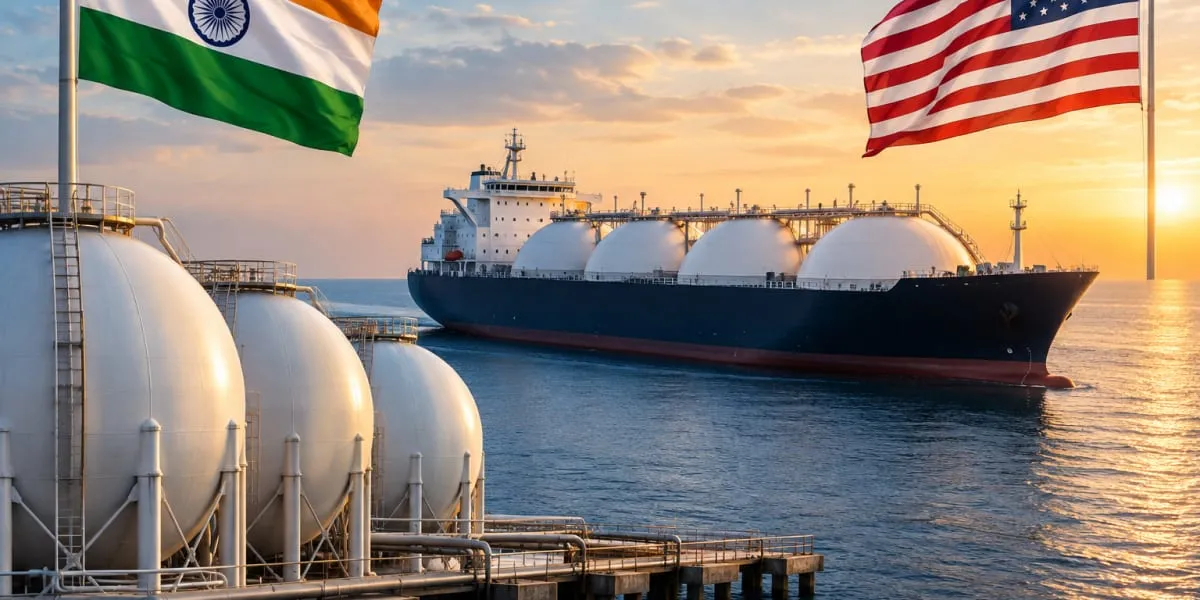
Indian Companies to Buy US LPG from Four Firms in 2027

Indian state-run oil companies have awarded a joint tender to Saudi Aramco, Chevron, TotalEnergies Trading SA (Totsa) and Vitol for the import of about 2.75 mn t of US liquefied petroleum gas (LPG) in 2027. The contracts are intended to diversify supplies and reduce India’s reliance on the Middle East. Indian Oil, Bharat Petroleum and Hindustan Petroleum floated the tender in September. They sought four very large gas carrier (VLGC) cargoes each month on a delivered basis and one cargo each month on a free-on-board basis from the US. A VLGC typically carries about 46,000 t of LPG, which cons..

Advertisement

Subscribe to Our Newsletter

Get daily newsletters around different themes from Construction world.

STAY CONNECTED

Advertisement

SPECIAL OFFER
QR Code