+
Chennai Metro Rail abandons plans to lease 42 driverless trains
RAILWAYS & METRO RAIL

Chennai Metro Rail abandons plans to lease 42 driverless trains

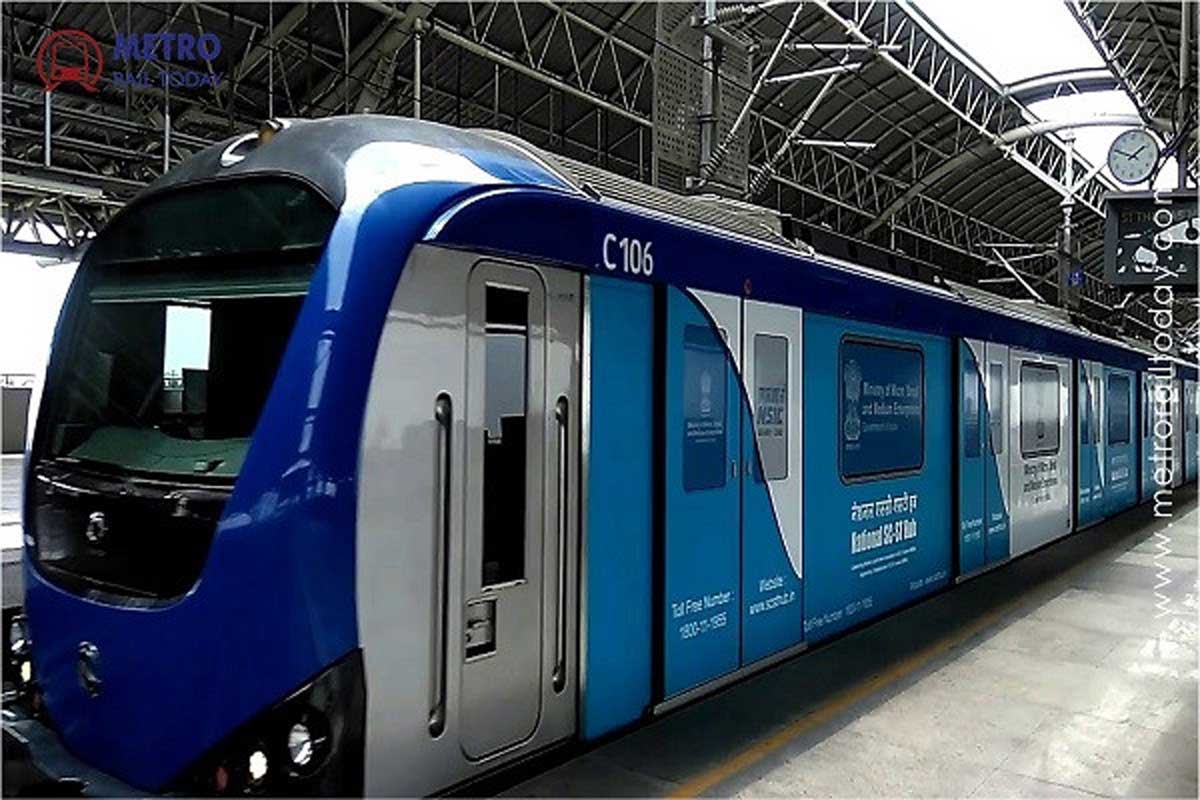
The authority would now have to spend additional money to purchase these train sets after an obstacle was found in Chennai Metro Rail Limited's proposal to lease up to 42 driverless trains. The initial strategy indicated a way to lower the project's cost from Rs 890 billion to Rs 618.43 billion by leasing the 42 metro trains rather than buying them. After the CMRL discovered that businesses do not lease metro trains because they cannot be used elsewhere after the lease period has ended, the plan has now been abandoned.

The CMRL plan calls for 138 three-car trains to operate on Chennai's 118.9 kilometre phase-2 metro network. In 2026, this phase is anticipated to be public. According to a CMRL official, after meeting with train manufacturers from around the world to learn why metro trains are not leased, they discovered that because metro trains are made specifically for a city or a metro line, businesses that lease them cannot roll them back and use them elsewhere in the event of a problem. After terminating the tender seeking expressions of interest in December 2021 because only one business answered and applied for it, CMRL initiated discussions with train manufacturers.

However, as long as the signalling software remains the same, long distance and suburban trains run by the railways can be leased and utilised elsewhere. "We may require close to $1 billion to purchase these trains. We've talked about it with the state government, and they might be able to cover the expense. Now, all that is left to do is issue tenders, an official reportedly told the Times of India.”

Phase-2 of the Chennai Metro will need 414 coaches or 138 three-car trains when operations start in 2025, according to the detailed project report (DPR). 762 coaches (254 three-car or 127 six-car trains) will be required in three decades. The insider added that the metro trains will initially have three carriages and that the objective is to have low capacity but high frequency trains.

The authority would now have to spend additional money to purchase these train sets after an obstacle was found in Chennai Metro Rail Limited's proposal to lease up to 42 driverless trains. The initial strategy indicated a way to lower the project's cost from Rs 890 billion to Rs 618.43 billion by leasing the 42 metro trains rather than buying them. After the CMRL discovered that businesses do not lease metro trains because they cannot be used elsewhere after the lease period has ended, the plan has now been abandoned. The CMRL plan calls for 138 three-car trains to operate on Chennai's 118.9 kilometre phase-2 metro network. In 2026, this phase is anticipated to be public. According to a CMRL official, after meeting with train manufacturers from around the world to learn why metro trains are not leased, they discovered that because metro trains are made specifically for a city or a metro line, businesses that lease them cannot roll them back and use them elsewhere in the event of a problem. After terminating the tender seeking expressions of interest in December 2021 because only one business answered and applied for it, CMRL initiated discussions with train manufacturers. However, as long as the signalling software remains the same, long distance and suburban trains run by the railways can be leased and utilised elsewhere. We may require close to $1 billion to purchase these trains. We've talked about it with the state government, and they might be able to cover the expense. Now, all that is left to do is issue tenders, an official reportedly told the Times of India.” Phase-2 of the Chennai Metro will need 414 coaches or 138 three-car trains when operations start in 2025, according to the detailed project report (DPR). 762 coaches (254 three-car or 127 six-car trains) will be required in three decades. The insider added that the metro trains will initially have three carriages and that the objective is to have low capacity but high frequency trains.

Next Story
Infrastructure Urban

India Expands Semiconductor Training To 500 Institutions

Under the Chips to Startups programme of the India Semiconductor Mission, the Union minister responsible for Railways, Information and Broadcasting, and Electronics and IT reported notable progress in talent development. He indicated that over the past four years substantial steps have been taken towards a 10-year target of training 85,000 engineers in semiconductor design. World-class EDA tools have been deployed in 315 academic institutions across the country to provide students with practical exposure to chip design. These EDA tools are supported by leading global firms and are accessible t..

Next Story
Infrastructure Urban

Delhi Institutions Support India Semiconductor Mission

The Government of India has prioritised talent development through training, upskilling and workforce development under the Chips to Startups initiative of the India Semiconductor Mission, with officials noting progress in four years towards a 10-year target of training 85,000 engineers in semiconductor design. Electronic design automation tools provided by Synopsys, Cadence, Siemens, Renesas, Ansys and AMD have been deployed in 315 academic institutions, enabling students to gain practical chip design experience. Chips have been fabricated and tested at the Semiconductor Laboratory, Mohali, a..

Next Story
Infrastructure Urban

NHA Announces Winners Of NHCX Hackathon At IIT Hyderabad

The National Health Authority (NHA) has concluded the NHCX Hackathon under the Ayushman Bharat Digital Mission (ABDM) to stimulate innovation around the National Health Claims Exchange (NHCX). The winning teams presented their solutions at the NHCX Innovation Meet held at IIT Hyderabad during a two-day event in March 2026 that also served as the hackathon grand finale. The hackathon itself ran from 22 to 28 February 2026 and aimed to accelerate paperless, transparent claims processing across India. The event was organised with a range of ecosystem partners, including the Insurance Regulatory a..

Advertisement

Subscribe to Our Newsletter

Get daily newsletters around different themes from Construction world.

STAY CONNECTED

Advertisement

Advertisement

Advertisement