Chennai to Vellore in 60 Minutes with Proposed RRTS
RAILWAYS & METRO RAIL

Chennai to Vellore in 60 Minutes with Proposed RRTS

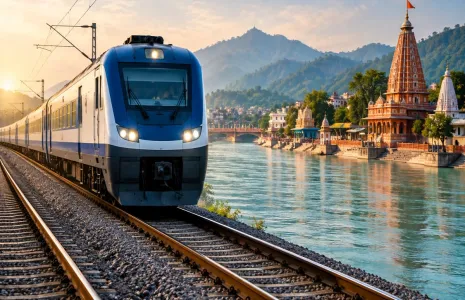
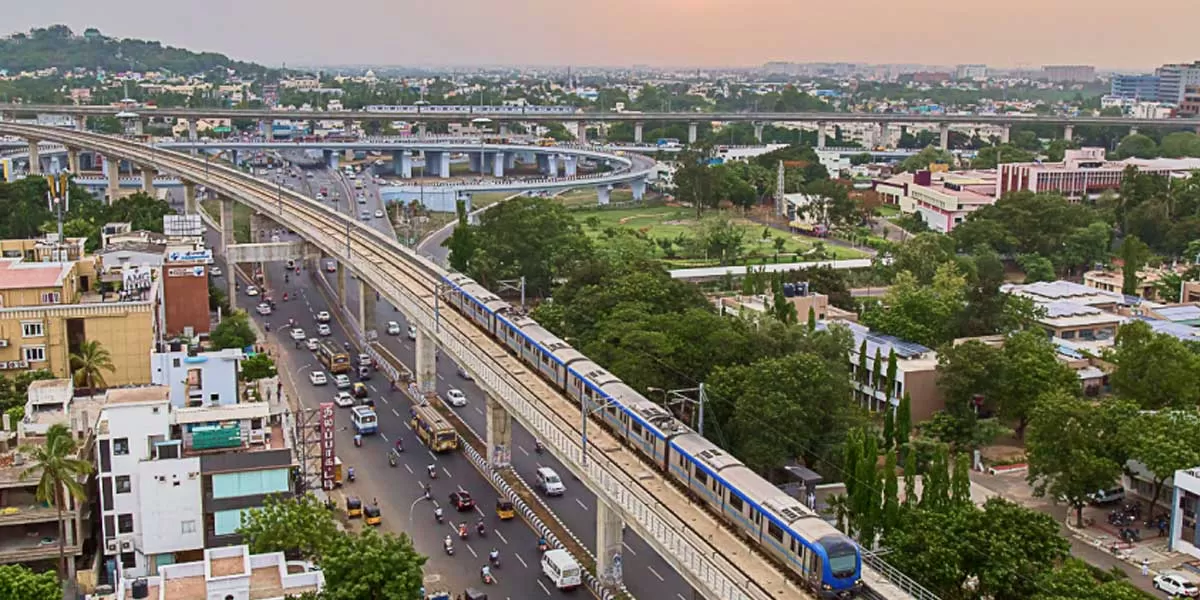
Chennai Metro Rail Limited (CMRL) has taken the first step towards revolutionising regional connectivity in Tamil Nadu by awarding contracts worth over Rs 2.2 crore to Balaji Railroad Systems Ltd (BARSYL) for preparing Detailed Feasibility Reports (DFRs) for three proposed Regional Rapid Transit System (RRTS) corridors.

Inspired by the Delhi-Meerut RRTS model, these corridors are designed to link major urban and industrial hubs with high-speed, efficient rail systems. The three proposed routes include:

1. Chennai–Kanchipuram–Vellore

2. Chennai–Chengalpattu–Tindivanam–Villupuram

3. Coimbatore–Tiruppur–Erode–Salem

The Chennai–Vellore corridor (140 km) is expected to cut travel time to under one hour, with the Chennai–Kanchipuram stretch reduced to just 20 minutes. This route will support economic integration, medical tourism, and daily commuting needs. The contract value for this segment is Rs 72.88 lakh.

The Chennai–Chengalpattu–Villupuram corridor (167 km), valued at Rs 74.58 lakh, is expected to significantly improve access to the interior districts from Chennai’s southern suburbs, enhancing trade and commuter convenience.

Meanwhile, the Coimbatore–Tiruppur–Erode–Salem route, also valued at Rs 74.78 lakh, aims to support passenger and freight movement across the western industrial belt.

CMRL used a single-stage, two-bid open e-tender system to finalise the consultancy, with BARSYL emerging as the lowest bidder for all three packages. Each study will be completed within a 180-day timeframe.

The corridors are expected to reduce travel time, encourage economic activity in smaller towns, and support environmentally friendly transport through electric trains. CMRL is also exploring ropeway systems in tourist hubs such as Mamallapuram, Ooty, and Kodaikanal as part of a larger effort to improve transport infrastructure across Tamil Nadu.


Chennai Metro Rail Limited (CMRL) has taken the first step towards revolutionising regional connectivity in Tamil Nadu by awarding contracts worth over Rs 2.2 crore to Balaji Railroad Systems Ltd (BARSYL) for preparing Detailed Feasibility Reports (DFRs) for three proposed Regional Rapid Transit System (RRTS) corridors.Inspired by the Delhi-Meerut RRTS model, these corridors are designed to link major urban and industrial hubs with high-speed, efficient rail systems. The three proposed routes include:1. Chennai–Kanchipuram–Vellore2. Chennai–Chengalpattu–Tindivanam–Villupuram3. Coimbatore–Tiruppur–Erode–SalemThe Chennai–Vellore corridor (140 km) is expected to cut travel time to under one hour, with the Chennai–Kanchipuram stretch reduced to just 20 minutes. This route will support economic integration, medical tourism, and daily commuting needs. The contract value for this segment is Rs 72.88 lakh.The Chennai–Chengalpattu–Villupuram corridor (167 km), valued at Rs 74.58 lakh, is expected to significantly improve access to the interior districts from Chennai’s southern suburbs, enhancing trade and commuter convenience.Meanwhile, the Coimbatore–Tiruppur–Erode–Salem route, also valued at Rs 74.78 lakh, aims to support passenger and freight movement across the western industrial belt.CMRL used a single-stage, two-bid open e-tender system to finalise the consultancy, with BARSYL emerging as the lowest bidder for all three packages. Each study will be completed within a 180-day timeframe.The corridors are expected to reduce travel time, encourage economic activity in smaller towns, and support environmentally friendly transport through electric trains. CMRL is also exploring ropeway systems in tourist hubs such as Mamallapuram, Ooty, and Kodaikanal as part of a larger effort to improve transport infrastructure across Tamil Nadu.

Next Story
Infrastructure Transport

MMRDA advances 250 m on Orange Gate–Marine Drive tunnel

The Mumbai Metropolitan Region Development Authority (MMRDA) has completed 250 m of underground tunnelling for the Orange Gate–Marine Drive Urban Road Tunnel using India’s largest slurry shield tunnel boring machine (TBM) deployed for an urban road project.The project involves twin tunnels extending over 7 km beneath critical transport corridors, including Central Railway, Western Railway and Metro Line 3. The work requires high-precision engineering to navigate densely developed urban infrastructure.Once completed, the tunnel is expected to reduce travel time between Orange Gate and Marin..

Next Story
Infrastructure Urban

Hindustan Zinc Pays Rs 188.46 Billion in FY26

Hindustan Zinc contributed Rs 188.46 billion to the public exchequer in FY 2025-26, according to its 9th Tax Transparency Report. The contribution, equivalent to 46 per cent of the company’s revenue, included direct and indirect taxes, government royalties, dividends to the Government of India, withholding taxes and other statutory levies.The company’s five-year cumulative contribution to the exchequer stood at Rs 915.72 billion. In FY26, Hindustan Zinc reported revenue of Rs 408.44 billion, EBITDA of Rs 221.62 billion and profit after tax of Rs 138.32 billion. It also achieved its highest..

Next Story
Infrastructure Urban

World of Concrete India 2026 Opens in Mumbai

Informa Markets in India will host the 12th edition of World of Concrete India 2026 from 3–5 June 2026 at the Bombay Exhibition Centre, Mumbai. The specialised B2B exhibition will bring together manufacturers, suppliers, contractors, developers, architects, consultants, infrastructure companies, project leaders and government stakeholders.The event is expected to feature over 350 brands and more than 18,000 trade professionals. It will cover concrete and cement, dry mortar, precast technologies, formwork, construction chemicals, industrial and commercial flooring, scaffolding, safety solutio..

Advertisement

Subscribe to Our Newsletter

Get daily newsletters around different themes from Construction world.

STAY CONNECTED

Advertisement

Advertisement

Advertisement

-->