DMRC sees surge in passengers, maintains operating hours despite growth
RAILWAYS & METRO RAIL

DMRC sees surge in passengers, maintains operating hours despite growth

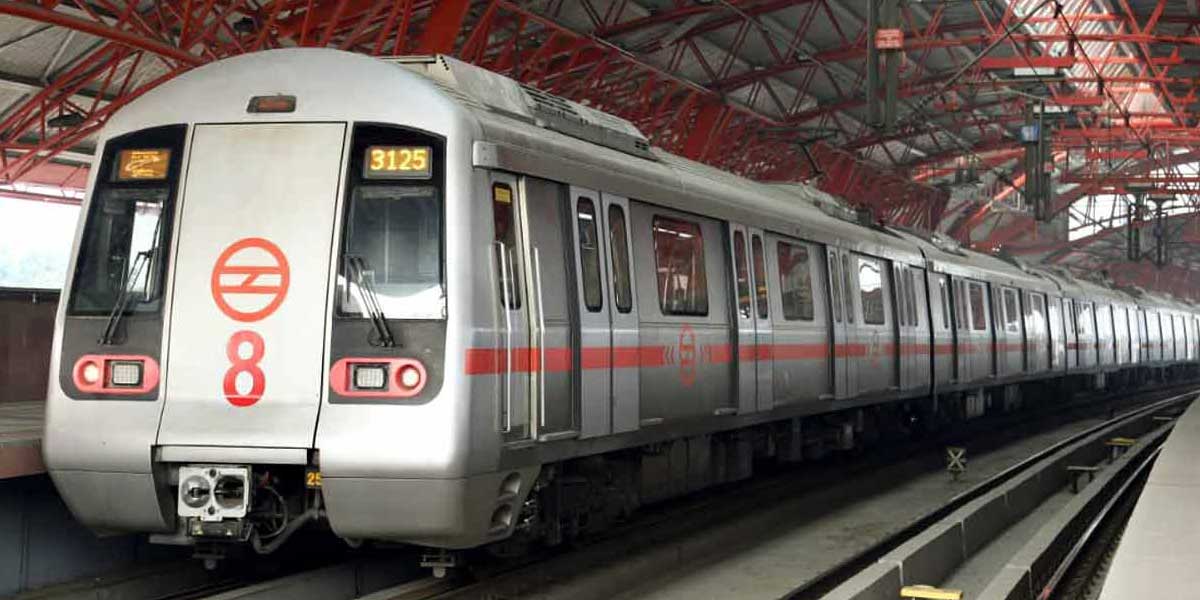
The Delhi Metro Rail Corporation (DMRC) recently announced a surge in passenger traffic compared to pre-COVID-19 levels. Despite this increase, the DMRC has no intentions of extending its metro operating hours beyond 5:30 am to 11:30 pm. When questioned about potential schedule changes, a DMRC representative explained, "Extending metro hours beyond 5:30 am and 11:30 pm aren?t feasible due to the necessary maintenance and attention required for each train at the depots."

Temporary Metro Arrival Delays

There were recent reports of temporary delays in train arrivals at interchange stations. However, the official clarified that these delays were short-lived and have since been resolved. Additionally, she mentioned that train headways at the busiest stations are already minimal, with trains arriving within seconds.

When asked about the cause of these delays, the official stated, "DMRC operates more than 360 trains, so these delays were likely due to minor technical issues lasting only a few minutes. There was also a sad incident of a passenger taking their life, which caused some delays." She emphasised that DMRC maintains over 99% punctuality in its metro timings and services.

DMRC's Consistent Growth in Passenger Journeys

DMRC shared data indicating a consistent increase in passenger journeys between March and August 2023, surpassing pre-COVID-19 levels. Each month witnessed over a 100% growth compared to the same period in 2019, with June experiencing the highest growth at 114.34%.

In August 2019, there were 52,46,607 passenger journeys, which surged to 59,04,397 in August 2023, reflecting a remarkable 112.54% growth. Other months in this period, such as March, April, May, and July, saw growth rates of 109.97%, 106.98%, 111.32%, and 108.11%, respectively, in comparison to 2019.

Introduction of DMRC Travel App and Future Plans

The introduction of the DMRC travel app has altered the way people purchase tickets, with many opting for the app to avoid station queues and crowds. When questioned about upcoming changes to DMRC services, the official hinted at additional developments beyond the travel app, promising further announcements to the public soon.

The Delhi Metro Rail Corporation (DMRC) recently announced a surge in passenger traffic compared to pre-COVID-19 levels. Despite this increase, the DMRC has no intentions of extending its metro operating hours beyond 5:30 am to 11:30 pm. When questioned about potential schedule changes, a DMRC representative explained, Extending metro hours beyond 5:30 am and 11:30 pm aren?t feasible due to the necessary maintenance and attention required for each train at the depots. Temporary Metro Arrival Delays There were recent reports of temporary delays in train arrivals at interchange stations. However, the official clarified that these delays were short-lived and have since been resolved. Additionally, she mentioned that train headways at the busiest stations are already minimal, with trains arriving within seconds. When asked about the cause of these delays, the official stated, DMRC operates more than 360 trains, so these delays were likely due to minor technical issues lasting only a few minutes. There was also a sad incident of a passenger taking their life, which caused some delays. She emphasised that DMRC maintains over 99% punctuality in its metro timings and services. DMRC's Consistent Growth in Passenger Journeys DMRC shared data indicating a consistent increase in passenger journeys between March and August 2023, surpassing pre-COVID-19 levels. Each month witnessed over a 100% growth compared to the same period in 2019, with June experiencing the highest growth at 114.34%. In August 2019, there were 52,46,607 passenger journeys, which surged to 59,04,397 in August 2023, reflecting a remarkable 112.54% growth. Other months in this period, such as March, April, May, and July, saw growth rates of 109.97%, 106.98%, 111.32%, and 108.11%, respectively, in comparison to 2019. Introduction of DMRC Travel App and Future Plans The introduction of the DMRC travel app has altered the way people purchase tickets, with many opting for the app to avoid station queues and crowds. When questioned about upcoming changes to DMRC services, the official hinted at additional developments beyond the travel app, promising further announcements to the public soon.

Related Stories

Gold Stories
Next Story
Infrastructure Urban

KONE Opens India's First Digital Experience Centre in Pune

KONE, a global elevator and escalator manufacturer, has inaugurated its first Digital Experience Centre (DEC) in India, located in Pune. The facility aims to showcase how artificial intelligence (AI), connectivity and data-driven technologies can enhance customer experiences and improve building operations.The centre was inaugurated by Jussi Herlin, Executive Vice Chair, KONE Corporation; Philippe Delorme, President and CEO, KONE; and Nandan Nilekani, Co-founder and Chairman of the Board, Infosys.Designed as an interactive customer environment, the facility demonstrates digital solutions cover..

Next Story
Infrastructure Urban

CII GreenCo Launches Circularity Guidelines for Indian Industry

The Confederation of Indian Industry (CII) GreenCo Council has launched the CII GreenCo Circularity Guidelines – Pilot Version at the 17th CII GreenCo Waste & Resource Management Summit 2026 in Chennai. The initiative aims to strengthen resource efficiency, waste reduction and circular economy practices across Indian manufacturing and process industries.The guidelines introduce a structured framework with circularity indices covering raw materials, consumables, packaging and other resource inputs. These indicators will help industries assess existing practices, identify opportunities to ..

Next Story
Infrastructure Energy

Global Electronics Association Launches IPC-1783-CO2E Standard

The Global Electronics Association has introduced IPC-1783-CO2E, a new international standard aimed at improving consistency, transparency and comparability in product carbon footprint reporting across the electronics manufacturing industry.The standard, titled International Standard for Data Collection and Reporting of CO2 Equivalent (CO2e) Emissions for the Electronics Manufacturing Supply Chain, provides industry-specific guidance for collecting, estimating and reporting carbon emissions data.With increasing regulatory requirements and customer expectations, electronics manufacturers face c..

Advertisement

Subscribe to Our Newsletter

Get daily newsletters around different themes from Construction world.

STAY CONNECTED

Advertisement

SPECIAL OFFER
QR Code