Georgian Railway Upgrade Boosts Belt and Road Connectivity
RAILWAYS & METRO RAIL

Georgian Railway Upgrade Boosts Belt and Road Connectivity

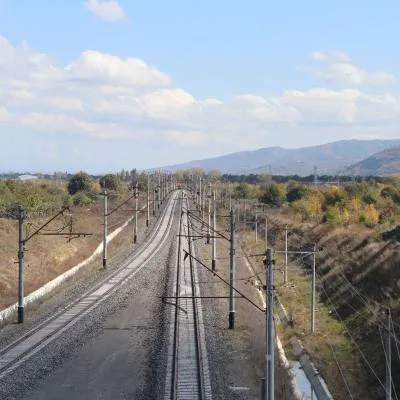
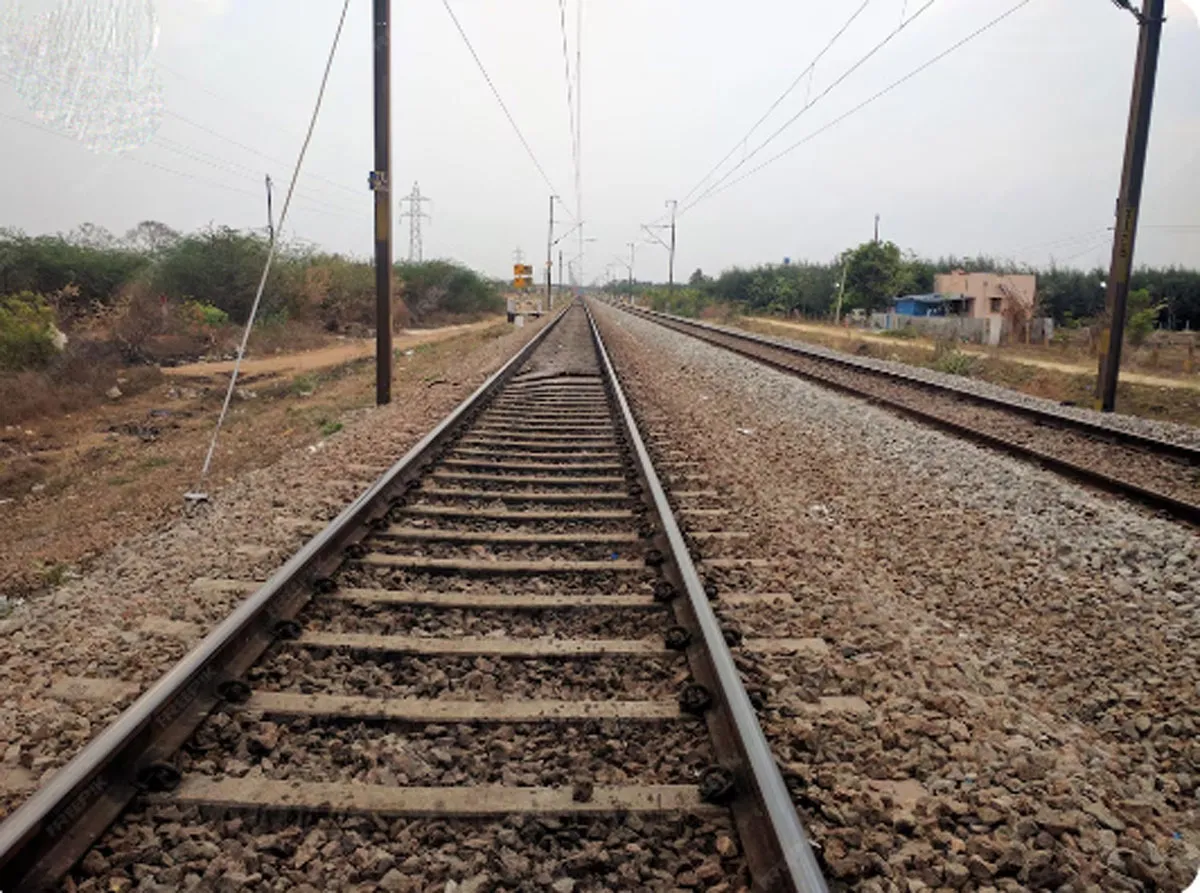
The Georgian Railway Modernisation Project was recently put into operation, marking a major milestone in China–Georgia infrastructure cooperation under the Belt and Road Initiative. Executed by China Railway 23rd Bureau Group, the project strengthens east–west rail connectivity and supports Georgia’s transport upgrade and economic development.

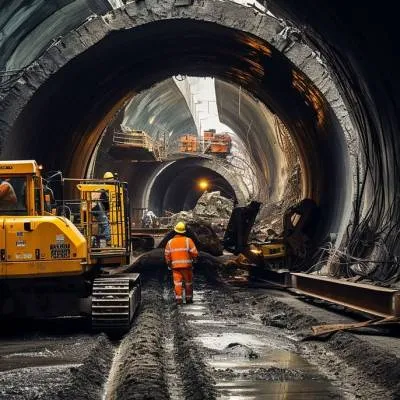
Located in central Georgia, the 43.9-km railway section runs between Zestaponi and Khashuri and serves as a critical national transport corridor. The scope included upgrading existing lines and constructing new sections, covering civil works, tunnels, bridges, power supply, communications and station facilities. Despite complex geological conditions, the project was delivered through lean construction practices, technological innovation and close cooperation with local partners.

The project provided employment to around 1,000 local workers during construction, along with technical training. As the largest newly built railway project commissioned in Georgia, it forms a key part of the Trans-Caspian International Transport Corridor. Rail travel efficiency between Tbilisi and the Black Sea ports is expected to rise by about 37 per cent, while annual freight capacity is set to double, supporting regional trade and logistics growth.

The Georgian Railway Modernisation Project was recently put into operation, marking a major milestone in China–Georgia infrastructure cooperation under the Belt and Road Initiative. Executed by China Railway 23rd Bureau Group, the project strengthens east–west rail connectivity and supports Georgia’s transport upgrade and economic development. Located in central Georgia, the 43.9-km railway section runs between Zestaponi and Khashuri and serves as a critical national transport corridor. The scope included upgrading existing lines and constructing new sections, covering civil works, tunnels, bridges, power supply, communications and station facilities. Despite complex geological conditions, the project was delivered through lean construction practices, technological innovation and close cooperation with local partners. The project provided employment to around 1,000 local workers during construction, along with technical training. As the largest newly built railway project commissioned in Georgia, it forms a key part of the Trans-Caspian International Transport Corridor. Rail travel efficiency between Tbilisi and the Black Sea ports is expected to rise by about 37 per cent, while annual freight capacity is set to double, supporting regional trade and logistics growth.

Next Story
Infrastructure Transport

Tunnelling Begins for Thane, Borivali twin tunnel project

Tunnelling work has commenced for the 11.84-km Thane–Borivali Twin Tunnel, set to be India’s longest urban road tunnel, marking a key milestone in Mumbai’s infrastructure development.As per a post shared by Mumbai Metropolitan Region Development Authority on social media platform X, the tunnel boring machine (TBM) ‘Nayak’—the country’s largest single-shield hard rock TBM for an urban tunnel—was launched by Devendra Fadnavis on Tuesday. The event was attended by Eknath Shinde and Sunetra Pawar, among other dignitaries. A second TBM, ‘Arjuna’, is expected to be launched so..

Next Story
Infrastructure Transport

Large Format Store Planned At M G Road Metro Station

M G Road station in Bengaluru is set to host the city’s first large-format commercial and experience space, with planning led by Bangalore Metro Rail Corporation Limited. BMRCL has invited proposals to develop and operate a central business district destination at the Purple?Pink Line interchange. The plan positions the station as a commercial hub designed to serve a broad commuter base across the city. The proposal is part of a broader effort to activate transit nodes commercially. Tender documents set a minimum monthly rental of Rs 0.944 million (mn), inclusive of GST, for the large-format..

Next Story
Infrastructure Energy

Government Cancels Auction Of Eleven Critical Mineral Blocks

The government has cancelled the auction of 11 critical and strategic mineral blocks after receiving a poor investor response and failing to attract a sufficient number of qualified bidders. The decision represents a setback to plans to ramp up domestic exploration and production of critical minerals amid global supply chain disruptions and rising demand for materials used in clean energy and advanced technologies. The mines ministry issued an annulment notice setting out the reasons for the cancellations. The annulment notice indicated that the auction process for five mineral blocks was canc..

Advertisement

Subscribe to Our Newsletter

Get daily newsletters around different themes from Construction world.

STAY CONNECTED

Advertisement

Advertisement

Advertisement