+
Haryana Clears 64 km Namo Bharat RRTS Linking NCR Cities
RAILWAYS & METRO RAIL

Haryana Clears 64 km Namo Bharat RRTS Linking NCR Cities

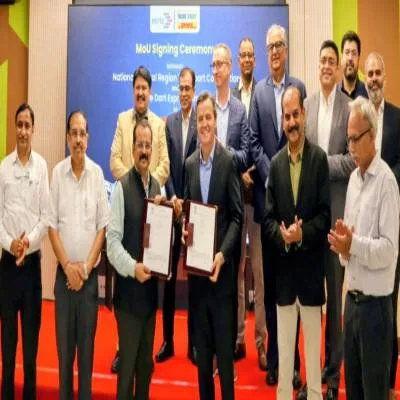
Haryana has cleared a 64 km stretch of the Namo Bharat Regional Rapid Transit System (RRTS) that will link multiple National Capital Region cities, marking a key step in regional transport integration. The decision by the state cabinet follows technical reviews and coordination with central agencies and transit authorities. Authorities said the clearance covers route alignment, preliminary design parameters and permits required to progress to detailed engineering.

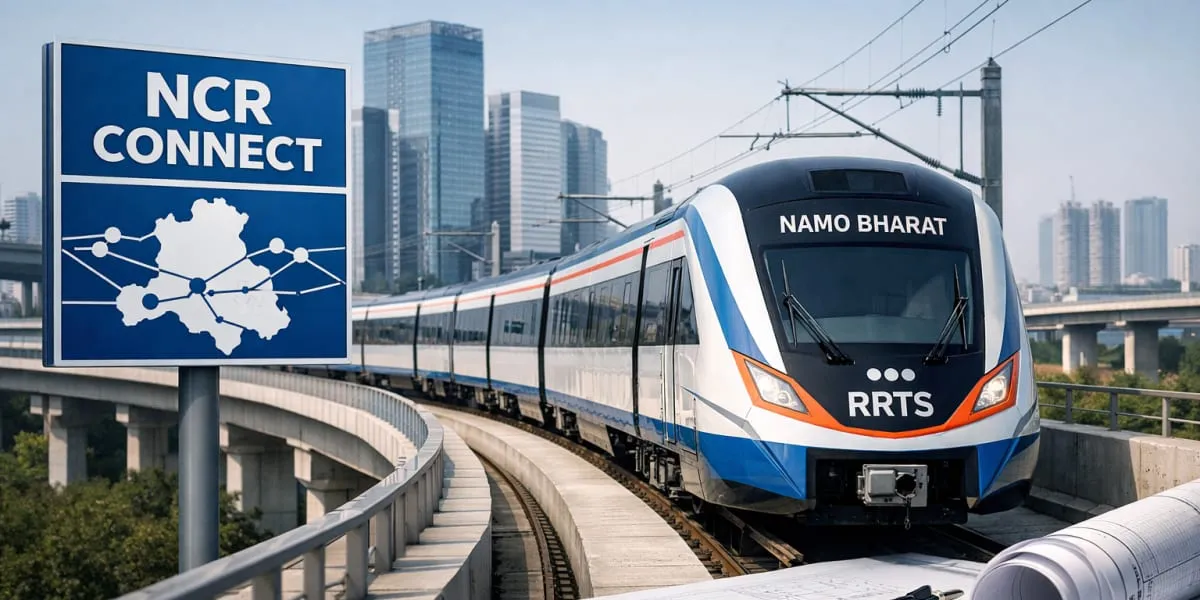
The RRTS is intended to offer faster, more reliable connectivity across the NCR and to relieve pressure on existing rail and road corridors. Planners expect the corridor to support high-capacity commuter services with frequent trains and seamless interchange with local metros and bus networks. The system brand name Namo Bharat will be applied to rolling stock and stations to maintain design consistency. The operator will implement unified ticketing and real time information systems to improve passenger experience and operational reliability.

Funding arrangements will involve state and central contributions alongside any required private participation for ancillary development, according to planning documents. Environmental clearances and land acquisition processes remain to be completed and will shape the construction schedule. Officials anticipate that work on civil structures and track alignment will proceed in phases over the coming years. Procurement procedures and tender schedules will be aligned with project milestones to ensure timely mobilisation of contractors and suppliers.

The project is projected to stimulate job creation during construction and to encourage transit-oriented development along the corridor, improving access to employment and services. Enhanced connectivity is also expected to broaden the commuter catchment for employment centres within the NCR and to reduce vehicular congestion. Continued coordination among urban local bodies, transport agencies and utility providers is reported to be critical for on-time delivery. Stakeholders will monitor progress through periodic reviews and public updates and safety and quality standards will guide works throughout.

Haryana has cleared a 64 km stretch of the Namo Bharat Regional Rapid Transit System (RRTS) that will link multiple National Capital Region cities, marking a key step in regional transport integration. The decision by the state cabinet follows technical reviews and coordination with central agencies and transit authorities. Authorities said the clearance covers route alignment, preliminary design parameters and permits required to progress to detailed engineering. The RRTS is intended to offer faster, more reliable connectivity across the NCR and to relieve pressure on existing rail and road corridors. Planners expect the corridor to support high-capacity commuter services with frequent trains and seamless interchange with local metros and bus networks. The system brand name Namo Bharat will be applied to rolling stock and stations to maintain design consistency. The operator will implement unified ticketing and real time information systems to improve passenger experience and operational reliability. Funding arrangements will involve state and central contributions alongside any required private participation for ancillary development, according to planning documents. Environmental clearances and land acquisition processes remain to be completed and will shape the construction schedule. Officials anticipate that work on civil structures and track alignment will proceed in phases over the coming years. Procurement procedures and tender schedules will be aligned with project milestones to ensure timely mobilisation of contractors and suppliers. The project is projected to stimulate job creation during construction and to encourage transit-oriented development along the corridor, improving access to employment and services. Enhanced connectivity is also expected to broaden the commuter catchment for employment centres within the NCR and to reduce vehicular congestion. Continued coordination among urban local bodies, transport agencies and utility providers is reported to be critical for on-time delivery. Stakeholders will monitor progress through periodic reviews and public updates and safety and quality standards will guide works throughout.

Next Story
Infrastructure Urban

Implementation Status of Jal Jeevan Mission

Since August 2019 the Government has implemented Jal Jeevan Mission to provide assured potable water through household tap connections in rural India. At the start of the mission only 32.3 million (mn) rural households, representing 16.7 per cent, were reported to have tap water connections. States and union territories have reported that 125.8 mn additional rural households have since been provided with tap connections. As a result, of about 193.6 mn rural households roughly 158.2 mn, or 81.71 per cent, are reported to have tap water supply at home.\n\nThe State, district and village level st..

Next Story
Infrastructure Urban

Jal Jeevan Mission Reaches Eighty One Per Cent Rural Coverage

The Government reported substantial progress under the Jal Jeevan Mission, launched in August 2019 to provide tap water to every rural household. At launch only 32.3 million (mn) rural households had tap connections and states and Union territories reported provision of 125.8 mn additional households by March 2026. Consequently, out of about 193.6 mn rural households around 158.2 mn, or 81.71 per cent, are reported to have tap water at home. The Finance Minister announced extension of the mission until 2028 in the 2025-26 budget speech. The Swachh Bharat Mission Grameen, launched in October 20..

Next Story
Infrastructure Urban

Empowering Local Governance for Sustainable Rural Water Supply

The Ministry of Jal Shakti has aligned the Jal Jeevan Mission (JJM) with the 73rd Amendment to strengthen village level planning and community ownership of water supply. Gram Panchayats, village water and sanitation committees and Pani Samitis are to plan, implement, manage and maintain piped water systems, with gram sabha processes formalising handover and oversight. Implementation support agencies including non government organisations, community based organisations and self help groups have been empanelled to train local committees and promote women participation. Under JJM, the department ..

Advertisement

Subscribe to Our Newsletter

Get daily newsletters around different themes from Construction world.

STAY CONNECTED

Advertisement

Advertisement

Advertisement