HG Infra emerges lowest bidder for DMRC project
RAILWAYS & METRO RAIL

HG Infra emerges lowest bidder for DMRC project

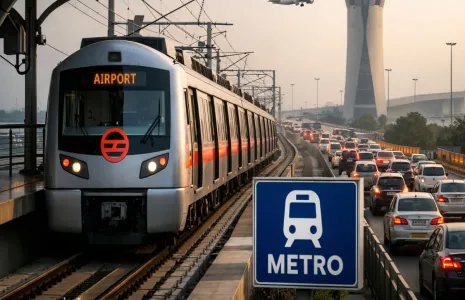
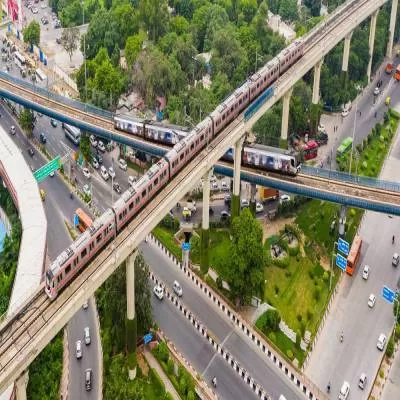
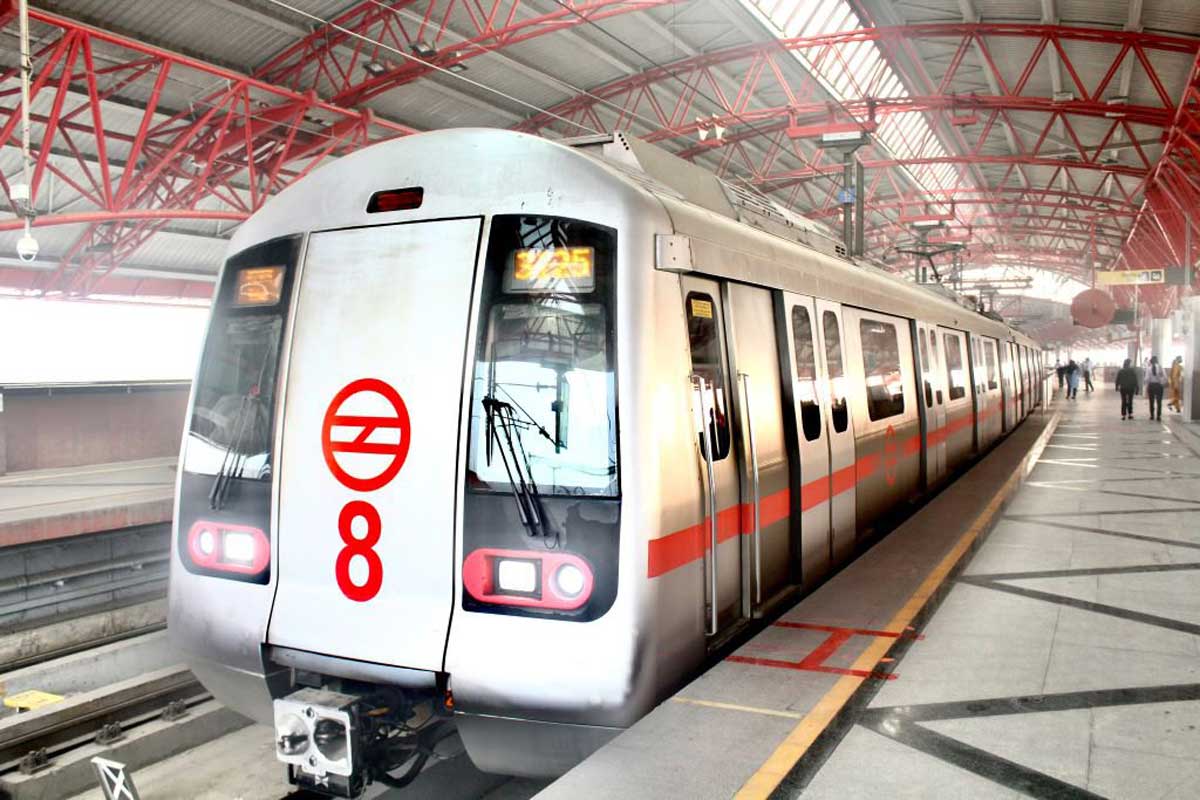
The Delhi Metro Rail Corporation has chosen HG Infra Engineering as the low bidder for a construction project for Rs 398.63 crore (DMRC). The project's scope includes the partial design and construction of an elevated viaduct as well as four elevated stations (Eshopur, Paschim Vihar, Peeragarhi, and Mangolpuri) on the Janakpuri West to RK Ashram Corridor of Phase IV of the Delhi MRTS, from P2 to PP88 and from P103 to Mangolpuri Station.

The project's projected cost by DMRC was Rs 398.63 crore, whereas the construction and infrastructure engineering firm's bid was Rs 412.11 crore. The project's construction is expected to be finished in 24 months.

HG Infra will construct a 6-lane Greenfield Karnal Ring Road starting from NH44 near Shamgarh village and ending at Karnal-Munak Road near Samalkha village under Bharatmala Pariyojana.

The company's total revenue for the first half of the current financial year was Rs 1,817.74 crore, an increase of 9.05 percent as compared to Rs 1,666.81 crore in the year-ago period. Profit after tax (PAT) stood at Rs 162.3 crore as compared to Rs 158.8 crore during the same period last year.

The Delhi Metro Rail Corporation has chosen HG Infra Engineering as the low bidder for a construction project for Rs 398.63 crore (DMRC). The project's scope includes the partial design and construction of an elevated viaduct as well as four elevated stations (Eshopur, Paschim Vihar, Peeragarhi, and Mangolpuri) on the Janakpuri West to RK Ashram Corridor of Phase IV of the Delhi MRTS, from P2 to PP88 and from P103 to Mangolpuri Station. The project's projected cost by DMRC was Rs 398.63 crore, whereas the construction and infrastructure engineering firm's bid was Rs 412.11 crore. The project's construction is expected to be finished in 24 months. HG Infra will construct a 6-lane Greenfield Karnal Ring Road starting from NH44 near Shamgarh village and ending at Karnal-Munak Road near Samalkha village under Bharatmala Pariyojana. The company's total revenue for the first half of the current financial year was Rs 1,817.74 crore, an increase of 9.05 percent as compared to Rs 1,666.81 crore in the year-ago period. Profit after tax (PAT) stood at Rs 162.3 crore as compared to Rs 158.8 crore during the same period last year.

Next Story
Infrastructure Urban

Implementation Status of Jal Jeevan Mission

Since August 2019 the Government has implemented Jal Jeevan Mission to provide assured potable water through household tap connections in rural India. At the start of the mission only 32.3 million (mn) rural households, representing 16.7 per cent, were reported to have tap water connections. States and union territories have reported that 125.8 mn additional rural households have since been provided with tap connections. As a result, of about 193.6 mn rural households roughly 158.2 mn, or 81.71 per cent, are reported to have tap water supply at home.\n\nThe State, district and village level st..

Next Story
Infrastructure Urban

Jal Jeevan Mission Reaches Eighty One Per Cent Rural Coverage

The Government reported substantial progress under the Jal Jeevan Mission, launched in August 2019 to provide tap water to every rural household. At launch only 32.3 million (mn) rural households had tap connections and states and Union territories reported provision of 125.8 mn additional households by March 2026. Consequently, out of about 193.6 mn rural households around 158.2 mn, or 81.71 per cent, are reported to have tap water at home. The Finance Minister announced extension of the mission until 2028 in the 2025-26 budget speech. The Swachh Bharat Mission Grameen, launched in October 20..

Next Story
Infrastructure Urban

Empowering Local Governance for Sustainable Rural Water Supply

The Ministry of Jal Shakti has aligned the Jal Jeevan Mission (JJM) with the 73rd Amendment to strengthen village level planning and community ownership of water supply. Gram Panchayats, village water and sanitation committees and Pani Samitis are to plan, implement, manage and maintain piped water systems, with gram sabha processes formalising handover and oversight. Implementation support agencies including non government organisations, community based organisations and self help groups have been empanelled to train local committees and promote women participation. Under JJM, the department ..

Advertisement

Subscribe to Our Newsletter

Get daily newsletters around different themes from Construction world.

STAY CONNECTED

Advertisement

Advertisement

Advertisement