Hyderabad Metro Plans 162 km Expansion and Airport Links
RAILWAYS & METRO RAIL

Hyderabad Metro Plans 162 km Expansion and Airport Links

15 years after construction began on the first phase of the Hyderabad Metro Rail, the project has reached a decisive moment as a Phase II proposal seeks Union government approval and a new funding structure. The plan envisages 162 km of additional lines, airport links and a revised financing model intended to support future urban growth, and Zarfaraz Ahmed, managing director of Hyderabad Metro Rail Limited (HMRL), indicated that the scheme is designed to meet current and future needs. The proposal is now pending central clearance before detailed implementation can begin.

Phase I spanned 69.2 km across three corridors and was launched in 2012 and became operational in 2017, linking Miyapur to LB Nagar, Jubilee Bus Station to Mahatma Gandhi Bus Station and Nagole to Raidurg. The initial phase was built at a cost of Rs 221.48 bn and was delivered under a public-private partnership led by Larsen & Toubro Limited. The original scheme was regarded as a landmark PPP but the network has since fallen in national rankings, prompting a fresh push for expansion and performance improvement.

The expansion proposal prioritises connections to both terminals at Hyderabad airport and includes plans for elevated and underground alignments where required, along with station and depot enhancements to increase capacity. HMRL officials anticipate that the additional lines and airport links will broaden the network catchment, improve intermodal transfers and attract greater ridership, while the new funding model is intended to accelerate construction and reduce fiscal strain. The company has signalled readiness to engage with central agencies and potential investors once formal approval is received.

Planners expect the scheme to strengthen urban mobility and support economic activity across the metropolitan region, though detailed cost apportionment and timelines remain subject to negotiation. Stakeholders will need to reconcile land use, traffic management and last-mile integration to ensure that projected benefits materialise in practice. Timely decision making at the Union level will be critical for HMRL to progress from planning to execution.

15 years after construction began on the first phase of the Hyderabad Metro Rail, the project has reached a decisive moment as a Phase II proposal seeks Union government approval and a new funding structure. The plan envisages 162 km of additional lines, airport links and a revised financing model intended to support future urban growth, and Zarfaraz Ahmed, managing director of Hyderabad Metro Rail Limited (HMRL), indicated that the scheme is designed to meet current and future needs. The proposal is now pending central clearance before detailed implementation can begin. Phase I spanned 69.2 km across three corridors and was launched in 2012 and became operational in 2017, linking Miyapur to LB Nagar, Jubilee Bus Station to Mahatma Gandhi Bus Station and Nagole to Raidurg. The initial phase was built at a cost of Rs 221.48 bn and was delivered under a public-private partnership led by Larsen & Toubro Limited. The original scheme was regarded as a landmark PPP but the network has since fallen in national rankings, prompting a fresh push for expansion and performance improvement. The expansion proposal prioritises connections to both terminals at Hyderabad airport and includes plans for elevated and underground alignments where required, along with station and depot enhancements to increase capacity. HMRL officials anticipate that the additional lines and airport links will broaden the network catchment, improve intermodal transfers and attract greater ridership, while the new funding model is intended to accelerate construction and reduce fiscal strain. The company has signalled readiness to engage with central agencies and potential investors once formal approval is received. Planners expect the scheme to strengthen urban mobility and support economic activity across the metropolitan region, though detailed cost apportionment and timelines remain subject to negotiation. Stakeholders will need to reconcile land use, traffic management and last-mile integration to ensure that projected benefits materialise in practice. Timely decision making at the Union level will be critical for HMRL to progress from planning to execution.

Next Story
Real Estate

Loomcraft Enters South India with Kerala Store Launch

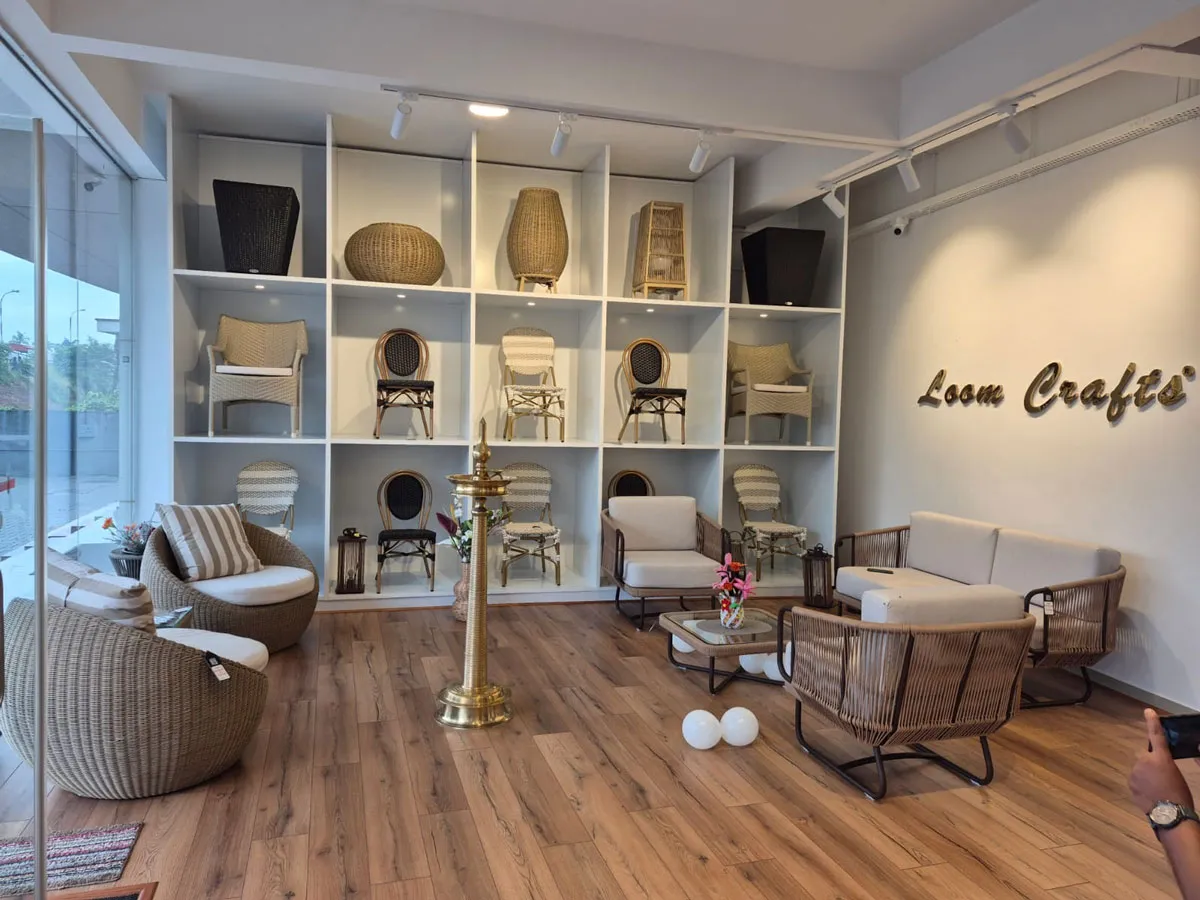
Loomcraft has launched its exclusive store in Kerala, marking its entry into South India and a key step in its nationwide expansion strategy. The move targets a region driven by tourism and premium real estate demand, where outdoor spaces play a central role in hospitality and residential experiences.Kerala’s growing base of luxury resorts, boutique hotels, villas and gated communities has created strong demand for specialised outdoor furniture. However, the region has remained underserved, with buyers relying on imports or generic products not suited to humid, coastal and monsoon-heavy cond..

Next Story
Building Material

Mild Steel Prices Seen Rising to Rs 61,000 Per Tonne

Mild steel prices in India, currently around Rs 58,000 per tonne, are expected to rise to nearly Rs 61,000 per tonne in April, indicating an increase of about Rs 3,000 per tonne. The anticipated rise reflects structural pressures driven by geopolitical tensions, energy constraints and limited raw material availability.Ongoing global conflict has disrupted energy markets, leading to LNG shortages that are affecting domestic steel production. Small and mid-sized manufacturers, particularly those dependent on gas-based processes, are witnessing production cuts due to constrained energy supply, re..
Next Story
Infrastructure Urban

Vedanta Expands Transgender Workforce to 75 Employees

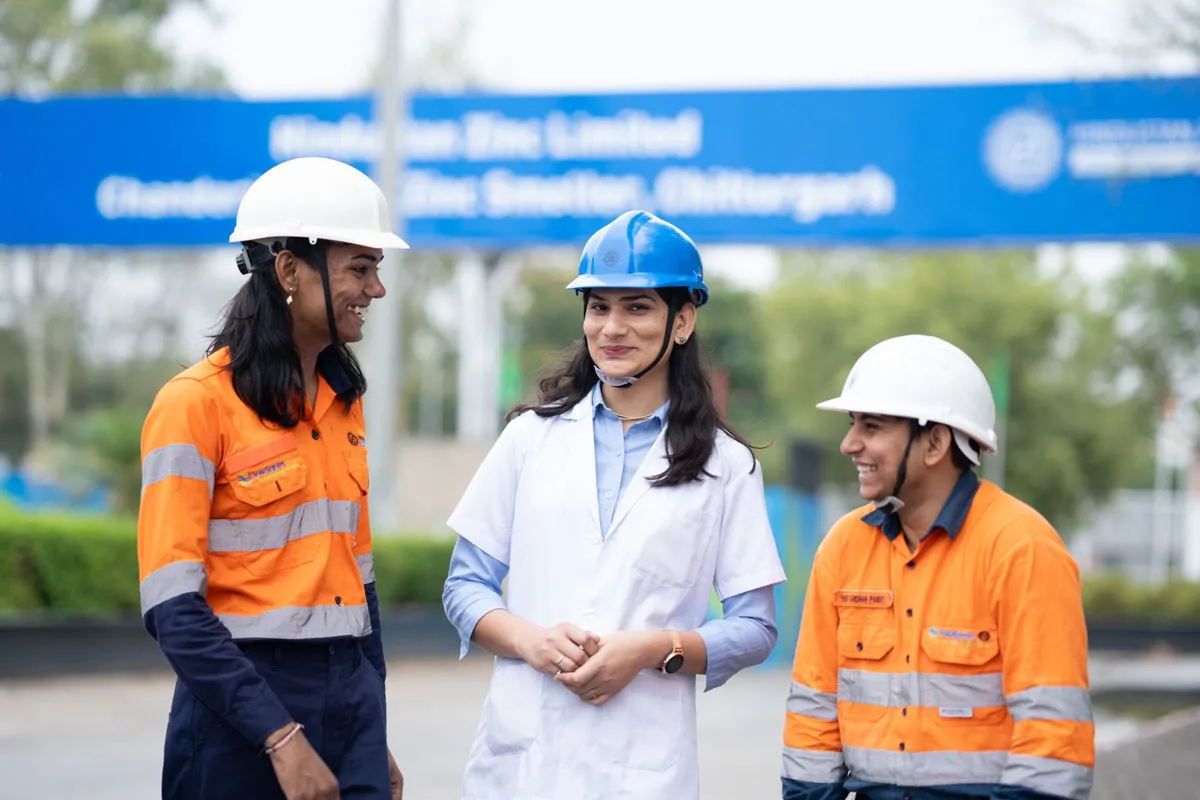
Vedanta has strengthened its commitment to workplace inclusion by employing 75 transgender individuals across its businesses, including Vedanta Aluminium, Hindustan Zinc, Sesa Goa, FACOR and Cairn Oil & Gas. The initiative reflects sustained hiring efforts since 2022 to build equitable opportunities across operations, corporate and technical roles.Transgender employees are engaged in functions such as operations, finance, logistics, HR, CSR, healthcare and security, with provisions for internal mobility to support career progression. The company has implemented structured policies, includi..

Advertisement

Subscribe to Our Newsletter

Get daily newsletters around different themes from Construction world.

STAY CONNECTED

Advertisement

Advertisement

Advertisement