Railway Push Boosts Connectivity in Jammu and Kashmir
RAILWAYS & METRO RAIL

Railway Push Boosts Connectivity in Jammu and Kashmir

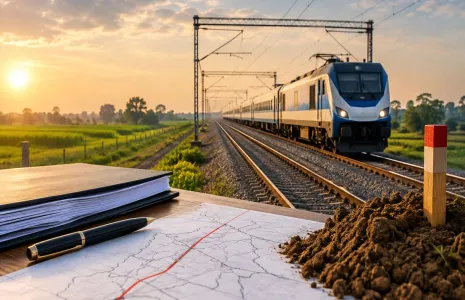
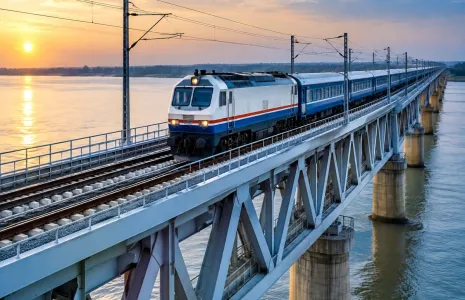
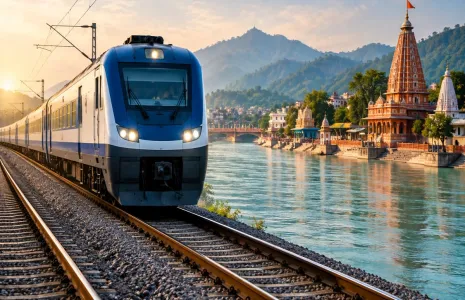
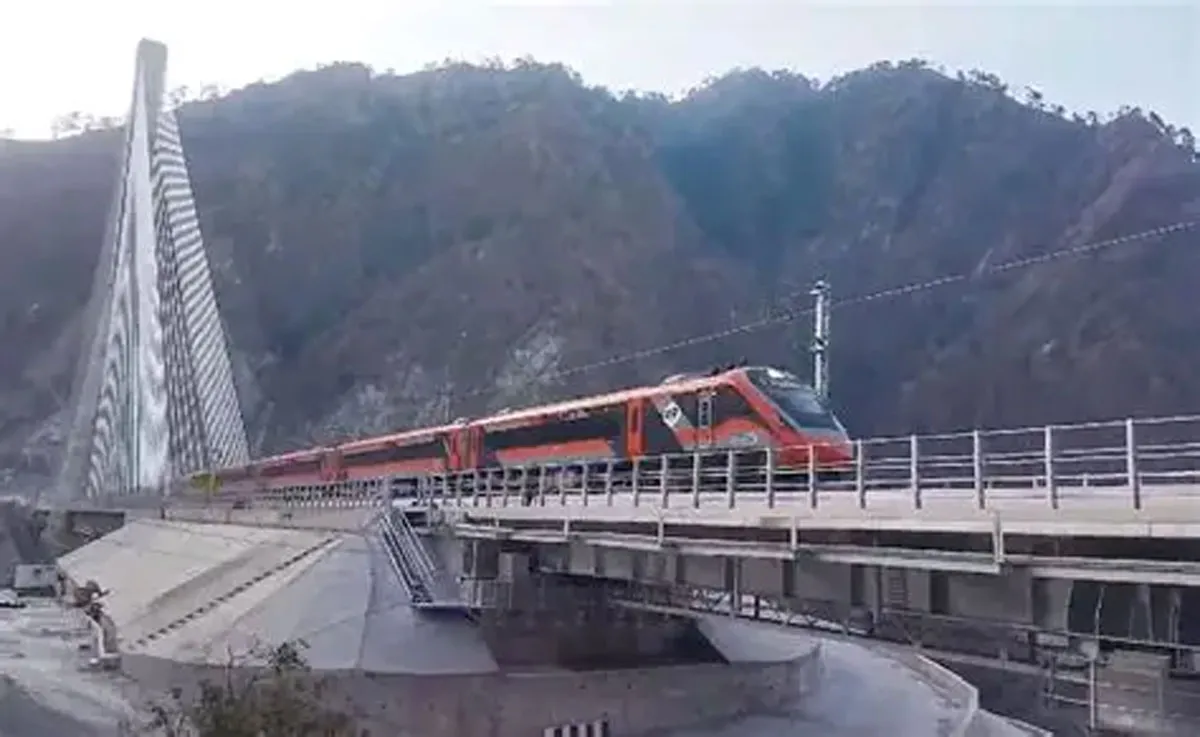
An accelerated push to expand railway infrastructure is reshaping connectivity in Jammu and Kashmir, with Indian Railways leading an extensive programme of new lines, stations and engineering works. Officials described the effort as aimed at linking remote areas to major trade and transport corridors and at reducing travel time for passengers and freight. The programme incorporates complex tunnelling and bridge construction to negotiate challenging terrain and to provide year round access. Administrative sources indicated that coordination with central and local agencies has been intensified to accelerate delivery.

Key projects include new rail links designed to integrate valley districts with the broader national network and to enhance logistics for essential supplies and perishable goods. Station upgrades are planned to improve passenger amenities and to handle increased freight volumes, while signalling and track modernisation work will support higher speeds and more reliable schedules. Environmental management and safety protocols have been emphasised during surveys and execution stages to reduce ecological impact and to protect communities along routes.

The expansion is expected to stimulate local economies by widening market access for agricultural and handicraft producers and by supporting growth in tourism and service sectors. Employment creation during construction phases was highlighted by officials as an immediate benefit, while longer term gains were projected in investment, industrial development and urban connections. Improved rail access is likely to lower transport costs and to enhance supply chain resilience in adverse weather or security constrained conditions.

Authorities have outlined phased completion targets and are prioritising sections that offer maximum social and economic returns in the short term. Funding and technical support from national infrastructure programmes has been aligned to meet these priorities, and ongoing monitoring mechanisms have been established to track progress and compliance. Challenges remain in terms of terrain, weather and land acquisition, but officials reported that strengthened project management and community engagement are being used to mitigate delays and to deliver sustainable connectivity.

An accelerated push to expand railway infrastructure is reshaping connectivity in Jammu and Kashmir, with Indian Railways leading an extensive programme of new lines, stations and engineering works. Officials described the effort as aimed at linking remote areas to major trade and transport corridors and at reducing travel time for passengers and freight. The programme incorporates complex tunnelling and bridge construction to negotiate challenging terrain and to provide year round access. Administrative sources indicated that coordination with central and local agencies has been intensified to accelerate delivery. Key projects include new rail links designed to integrate valley districts with the broader national network and to enhance logistics for essential supplies and perishable goods. Station upgrades are planned to improve passenger amenities and to handle increased freight volumes, while signalling and track modernisation work will support higher speeds and more reliable schedules. Environmental management and safety protocols have been emphasised during surveys and execution stages to reduce ecological impact and to protect communities along routes. The expansion is expected to stimulate local economies by widening market access for agricultural and handicraft producers and by supporting growth in tourism and service sectors. Employment creation during construction phases was highlighted by officials as an immediate benefit, while longer term gains were projected in investment, industrial development and urban connections. Improved rail access is likely to lower transport costs and to enhance supply chain resilience in adverse weather or security constrained conditions. Authorities have outlined phased completion targets and are prioritising sections that offer maximum social and economic returns in the short term. Funding and technical support from national infrastructure programmes has been aligned to meet these priorities, and ongoing monitoring mechanisms have been established to track progress and compliance. Challenges remain in terms of terrain, weather and land acquisition, but officials reported that strengthened project management and community engagement are being used to mitigate delays and to deliver sustainable connectivity.

Next Story
Infrastructure Urban

Lemon Tree Hotels Signs Resort In Lonavala Maharashtra

Lemon Tree Hotels Limited (LTHL) has signed a licence agreement for Lemon Tree Resort in Lonavala, Maharashtra, with the asset to be managed by Carnation Hotels Private Limited, a wholly owned subsidiary of LTHL. The resort will offer 50 well appointed rooms and will include a restaurant, banquet, meeting room, swimming pool, spa and fitness centre. The company described the addition as part of its strategy to expand branded resort offerings in key getaway destinations. Lonavala, located in the Sahyadri hills, is a popular leisure destination in western India known for scenic landscapes and a ..

Next Story
Infrastructure Urban

Kalai Chettinad Art And Architecture Festival At The Lotus Palace

The Lotus Palace Chettinad will host Kalai, the Chettinad Art and Architecture Festival, a four-day, three-night immersive celebration of the artistic legacy of Chettinad from three to six April 2026. The event has been organised by Apeejay Surrendra Park Hotels Limited (ASPHL) and will take place across restored heritage properties in Chettinad. It will be designed to offer guests a layered experience of place, structure and story that connects art, architecture and living traditions. The festival aims to present a confluence of global influences and local aesthetics. Kalai has been curated i..

Next Story
Infrastructure Energy

SJVN Reaches One bn Units At 1,000 MW Bikaner Solar Project

SJVN Limited (SJVN) has reached a milestone with its 1,000 megawatt (MW) Bikaner Solar Power Project by generating one bn units of electricity on 20 March 2026. The achievement underscores the company's role in supplying clean and sustainable energy to the national grid. The generation milestone was recorded within months of the project commencing operations and highlights rapid performance from the new facility. The Bikaner project, located in Bikaner district of Rajasthan, has been developed and implemented by SJVN Green Energy Limited (SGEL) under the Central Public Sector Undertaking Schem..

Advertisement

Subscribe to Our Newsletter

Get daily newsletters around different themes from Construction world.

STAY CONNECTED

Advertisement

Advertisement

Advertisement