Nagpur Station Redevelopment Deadline Extended To March 2027
RAILWAYS & METRO RAIL

Nagpur Station Redevelopment Deadline Extended To March 2027

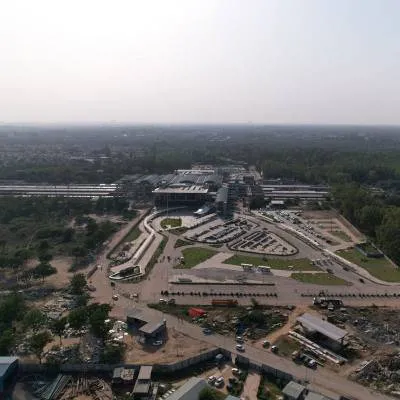
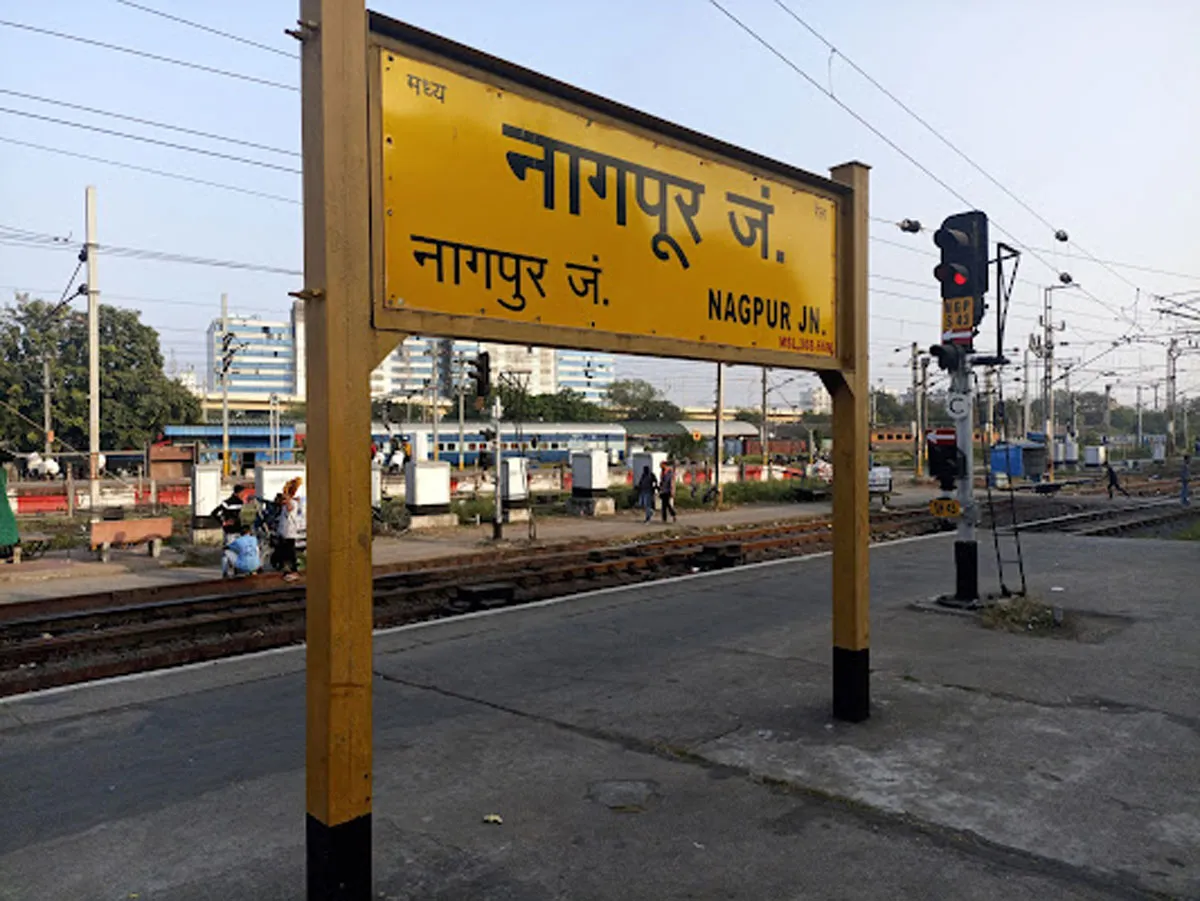
Nagpur Railway Station redevelopment has been rescheduled to March 2027 as officials opted for a cautious approach to minimise disruption at the busy terminus. The project had earlier been due for completion in December 2026 but work at a live station while preserving the heritage character of the building has slowed progress. The Divisional Railway Manager (DRM) said construction sequencing is being adjusted to maintain passenger services.

The DRM provided an update on Ajni Railway Station, stating its redevelopment timeline has been revised to October 2026 instead of the earlier target of completion by this summer. Ajni is being developed as a satellite station to Nagpur with four new platforms on the eastern side to handle trains diverted from the main terminus. The works include platform construction and passenger facilities.

Planning indicates trains towards Balharshah and Badnera are likely to originate or terminate at Ajni, which is expected to ease congestion and improve punctuality. Redevelopment at Nagpur includes extensive yard remodelling to enhance safety and create capacity for future passenger amenities. Yard works are being coordinated with platform upgrades and signalling improvements to increase throughput while retaining heritage features.

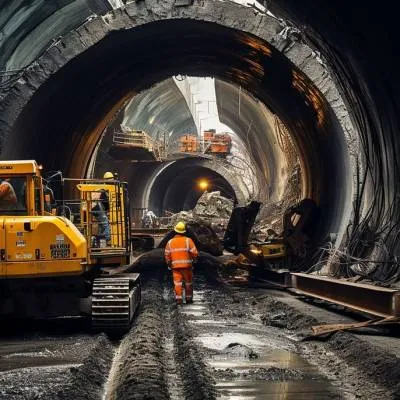
Development at Godhani Railway Station is progressing as planned and the station is being expanded to accommodate four platforms, including a home platform similar to Nagpur station, to strengthen suburban and regional connectivity. Track capacity expansion across the division has been completed to a large extent, but tunnelling at Darakho for the third and fourth lines on the Nagpur–Itarsi route has slowed owing to contractor delays.

The Nagpur-Sewagram third and fourth line project is nearing completion and has already improved operational flexibility at several locations. Railway Minister Ashwini Vaishnaw expressed confidence that the Nagpur–Nagbhir gauge conversion project will be completed by the end of 2026 and said work in the forest stretch near Warora has gathered momentum. Authorities are coordinating environmental clearances alongside construction to meet revised timelines and enhance connectivity in Vidarbha.

Nagpur Railway Station redevelopment has been rescheduled to March 2027 as officials opted for a cautious approach to minimise disruption at the busy terminus. The project had earlier been due for completion in December 2026 but work at a live station while preserving the heritage character of the building has slowed progress. The Divisional Railway Manager (DRM) said construction sequencing is being adjusted to maintain passenger services. The DRM provided an update on Ajni Railway Station, stating its redevelopment timeline has been revised to October 2026 instead of the earlier target of completion by this summer. Ajni is being developed as a satellite station to Nagpur with four new platforms on the eastern side to handle trains diverted from the main terminus. The works include platform construction and passenger facilities. Planning indicates trains towards Balharshah and Badnera are likely to originate or terminate at Ajni, which is expected to ease congestion and improve punctuality. Redevelopment at Nagpur includes extensive yard remodelling to enhance safety and create capacity for future passenger amenities. Yard works are being coordinated with platform upgrades and signalling improvements to increase throughput while retaining heritage features. Development at Godhani Railway Station is progressing as planned and the station is being expanded to accommodate four platforms, including a home platform similar to Nagpur station, to strengthen suburban and regional connectivity. Track capacity expansion across the division has been completed to a large extent, but tunnelling at Darakho for the third and fourth lines on the Nagpur–Itarsi route has slowed owing to contractor delays. The Nagpur-Sewagram third and fourth line project is nearing completion and has already improved operational flexibility at several locations. Railway Minister Ashwini Vaishnaw expressed confidence that the Nagpur–Nagbhir gauge conversion project will be completed by the end of 2026 and said work in the forest stretch near Warora has gathered momentum. Authorities are coordinating environmental clearances alongside construction to meet revised timelines and enhance connectivity in Vidarbha.

Related Stories

Gold Stories

Next Story
Infrastructure Urban

KONE Opens India's First Digital Experience Centre in Pune

KONE, a global elevator and escalator manufacturer, has inaugurated its first Digital Experience Centre (DEC) in India, located in Pune. The facility aims to showcase how artificial intelligence (AI), connectivity and data-driven technologies can enhance customer experiences and improve building operations.The centre was inaugurated by Jussi Herlin, Executive Vice Chair, KONE Corporation; Philippe Delorme, President and CEO, KONE; and Nandan Nilekani, Co-founder and Chairman of the Board, Infosys.Designed as an interactive customer environment, the facility demonstrates digital solutions cover..

Next Story
Infrastructure Urban

CII GreenCo Launches Circularity Guidelines for Indian Industry

The Confederation of Indian Industry (CII) GreenCo Council has launched the CII GreenCo Circularity Guidelines – Pilot Version at the 17th CII GreenCo Waste & Resource Management Summit 2026 in Chennai. The initiative aims to strengthen resource efficiency, waste reduction and circular economy practices across Indian manufacturing and process industries.The guidelines introduce a structured framework with circularity indices covering raw materials, consumables, packaging and other resource inputs. These indicators will help industries assess existing practices, identify opportunities to ..

Next Story
Infrastructure Energy

Global Electronics Association Launches IPC-1783-CO2E Standard

The Global Electronics Association has introduced IPC-1783-CO2E, a new international standard aimed at improving consistency, transparency and comparability in product carbon footprint reporting across the electronics manufacturing industry.The standard, titled International Standard for Data Collection and Reporting of CO2 Equivalent (CO2e) Emissions for the Electronics Manufacturing Supply Chain, provides industry-specific guidance for collecting, estimating and reporting carbon emissions data.With increasing regulatory requirements and customer expectations, electronics manufacturers face c..

Advertisement

Subscribe to Our Newsletter

Get daily newsletters around different themes from Construction world.

STAY CONNECTED

Advertisement

SPECIAL OFFER
QR Code