



Mumbai Luxury Apartment Sold At Worli’s Artesia
Real Estate

Mumbai Luxury Apartment Sold At Worli’s Artesia

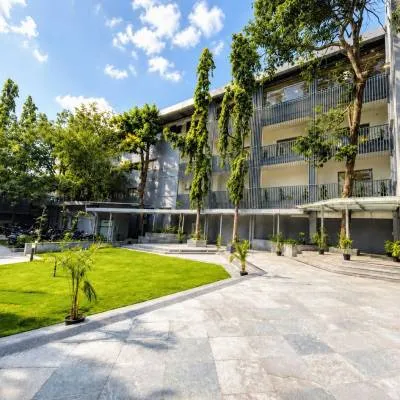
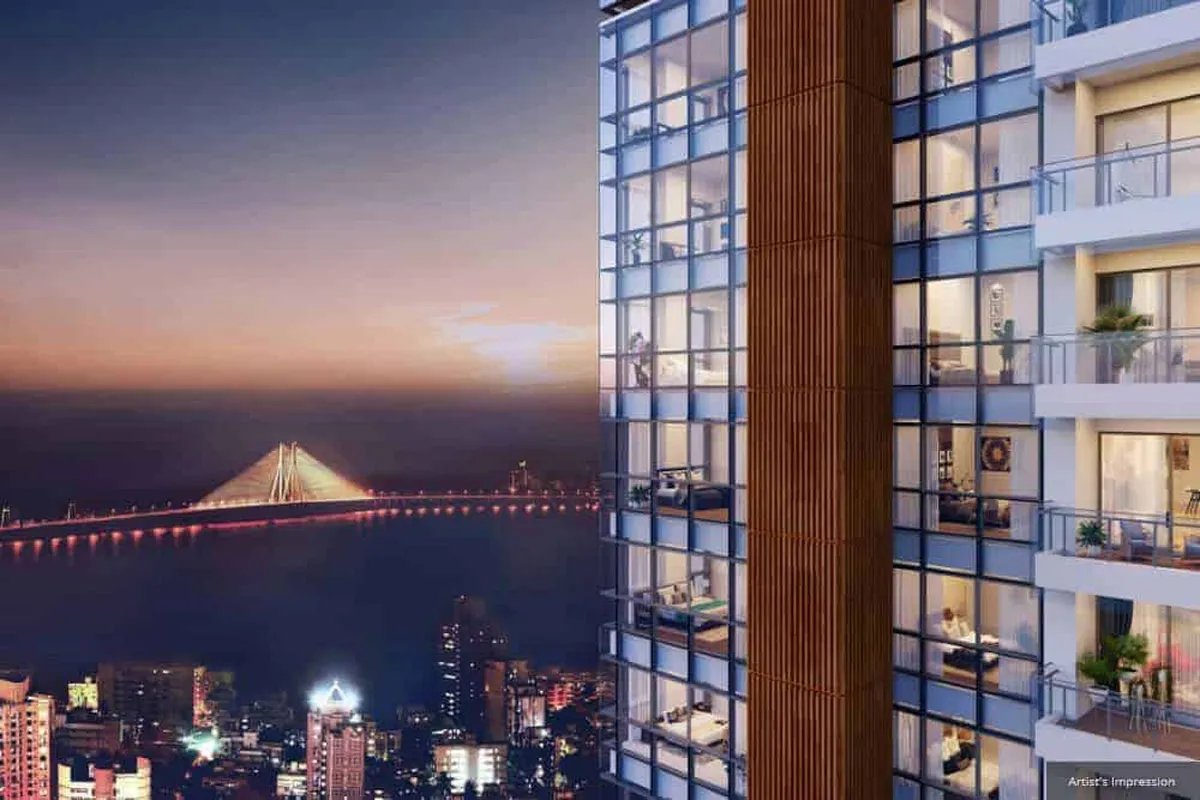
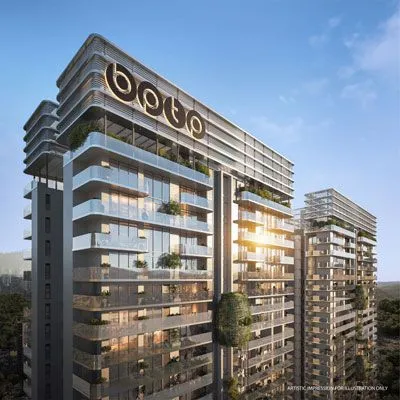
A luxury apartment at Worli's Artesia in Mumbai has been sold for Rs 1,235 million (mn), marking another high-value transaction in the city’s premium residential market. The deal, reported by local channels, underscores continued appetite for trophy properties in prime neighbourhoods. The apartment forms part of a high-end development that attracted attention for large-ticket sales. The transaction adds to a string of notable disposals that have characterised the top end of the market in recent months.

The sale highlights the persistent scarcity of premium inventory in south Mumbai and the willingness among wealthy buyers to pay a substantial premium for location and finishes. Developers and analysts often note that projects with limited units and amenities command valuations that set benchmarks for subsequent offerings. While exact buyer details were not disclosed, the size and price point align with profiles typically associated with high-net-worth individuals and institutional investors seeking residential assets. Market participants view such transactions as signals that luxury demand remains resilient despite broader economic fluctuations.

Pricing at this level is closely watched because it establishes reference points for both resale and new launch activity, influencing pricing strategies across comparable developments. Brokers and valuation specialists use such sales to recalibrate appraisals, particularly when supply is constrained and buyer preferences favour turnkey homes. The prominence of branded projects and signature addresses further intensifies competition among buyers, sustaining upward pressure on premium values. Consequentially, developers may prioritise deliveries and limited releases to capitalise on the market momentum.

Observers expect that continued visibility of large transactions will attract more attention to the luxury segment from domestic and international investors seeking capital appreciation and lifestyle properties. The flow of such deals can also have downstream effects on service providers, lenders and ancillary industries that support high-end residential ecosystems. Looking ahead, the way these sales are recorded and referenced will play a material role in shaping perceptions of value in Mumbai’s top-tier housing market. Stakeholders across the sector will remain attentive to similar disposals as indicators of pricing confidence.

A luxury apartment at Worli's Artesia in Mumbai has been sold for Rs 1,235 million (mn), marking another high-value transaction in the city’s premium residential market. The deal, reported by local channels, underscores continued appetite for trophy properties in prime neighbourhoods. The apartment forms part of a high-end development that attracted attention for large-ticket sales. The transaction adds to a string of notable disposals that have characterised the top end of the market in recent months. The sale highlights the persistent scarcity of premium inventory in south Mumbai and the willingness among wealthy buyers to pay a substantial premium for location and finishes. Developers and analysts often note that projects with limited units and amenities command valuations that set benchmarks for subsequent offerings. While exact buyer details were not disclosed, the size and price point align with profiles typically associated with high-net-worth individuals and institutional investors seeking residential assets. Market participants view such transactions as signals that luxury demand remains resilient despite broader economic fluctuations. Pricing at this level is closely watched because it establishes reference points for both resale and new launch activity, influencing pricing strategies across comparable developments. Brokers and valuation specialists use such sales to recalibrate appraisals, particularly when supply is constrained and buyer preferences favour turnkey homes. The prominence of branded projects and signature addresses further intensifies competition among buyers, sustaining upward pressure on premium values. Consequentially, developers may prioritise deliveries and limited releases to capitalise on the market momentum. Observers expect that continued visibility of large transactions will attract more attention to the luxury segment from domestic and international investors seeking capital appreciation and lifestyle properties. The flow of such deals can also have downstream effects on service providers, lenders and ancillary industries that support high-end residential ecosystems. Looking ahead, the way these sales are recorded and referenced will play a material role in shaping perceptions of value in Mumbai’s top-tier housing market. Stakeholders across the sector will remain attentive to similar disposals as indicators of pricing confidence.

Related Stories

Gold Stories
Next Story
Infrastructure Urban

KONE Opens India's First Digital Experience Centre in Pune

KONE, a global elevator and escalator manufacturer, has inaugurated its first Digital Experience Centre (DEC) in India, located in Pune. The facility aims to showcase how artificial intelligence (AI), connectivity and data-driven technologies can enhance customer experiences and improve building operations.The centre was inaugurated by Jussi Herlin, Executive Vice Chair, KONE Corporation; Philippe Delorme, President and CEO, KONE; and Nandan Nilekani, Co-founder and Chairman of the Board, Infosys.Designed as an interactive customer environment, the facility demonstrates digital solutions cover..

Next Story
Infrastructure Urban

CII GreenCo Launches Circularity Guidelines for Indian Industry

The Confederation of Indian Industry (CII) GreenCo Council has launched the CII GreenCo Circularity Guidelines – Pilot Version at the 17th CII GreenCo Waste & Resource Management Summit 2026 in Chennai. The initiative aims to strengthen resource efficiency, waste reduction and circular economy practices across Indian manufacturing and process industries.The guidelines introduce a structured framework with circularity indices covering raw materials, consumables, packaging and other resource inputs. These indicators will help industries assess existing practices, identify opportunities to ..

Next Story
Infrastructure Energy

Global Electronics Association Launches IPC-1783-CO2E Standard

The Global Electronics Association has introduced IPC-1783-CO2E, a new international standard aimed at improving consistency, transparency and comparability in product carbon footprint reporting across the electronics manufacturing industry.The standard, titled International Standard for Data Collection and Reporting of CO2 Equivalent (CO2e) Emissions for the Electronics Manufacturing Supply Chain, provides industry-specific guidance for collecting, estimating and reporting carbon emissions data.With increasing regulatory requirements and customer expectations, electronics manufacturers face c..

Advertisement

Subscribe to Our Newsletter

Get daily newsletters around different themes from Construction world.

STAY CONNECTED

Advertisement

SPECIAL OFFER
QR Code