Indian Railways Approves Rs 8,953 mn Metro Power And Bridge Projects
RAILWAYS & METRO RAIL

Indian Railways Approves Rs 8,953 mn Metro Power And Bridge Projects
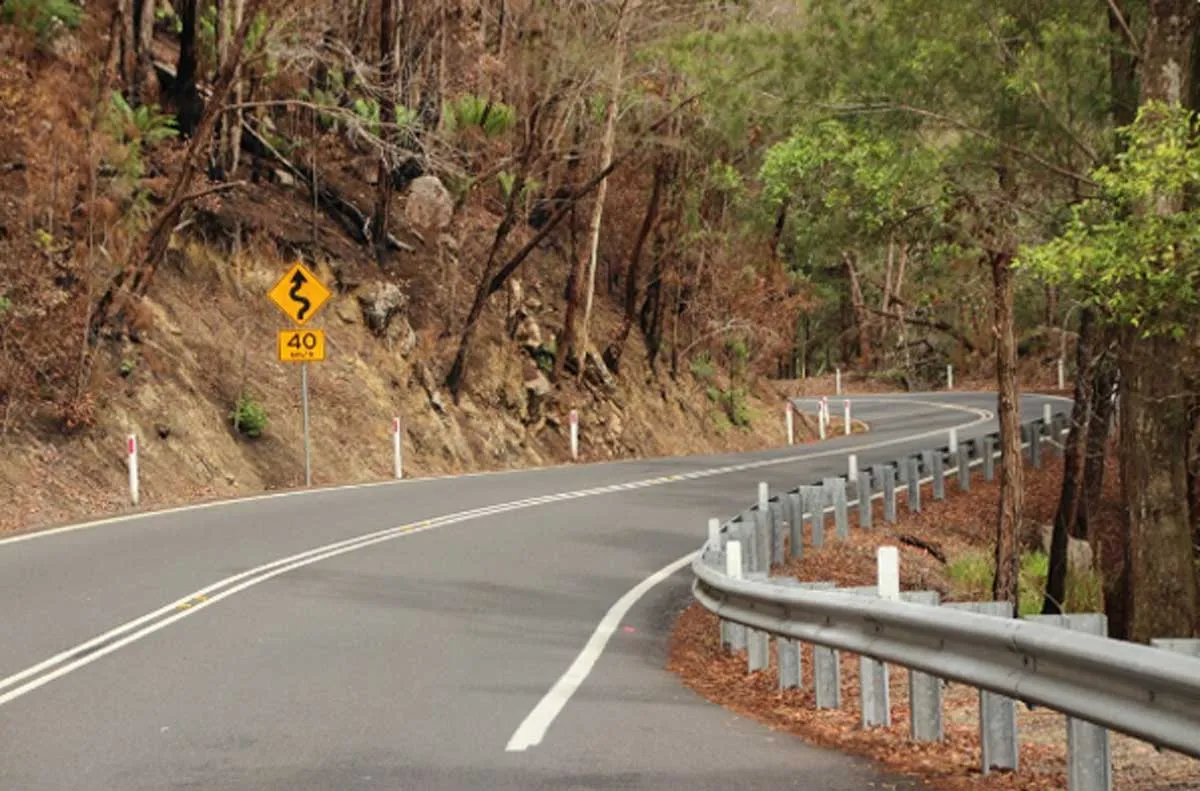
Indian Railways has approved projects worth Rs 8,953 mn to upgrade power systems and rebuild bridge infrastructure, covering metro traction works in Kolkata and reconstruction on a key Damodar river link. The approvals are intended to strengthen safety and expand capacity across passenger and freight corridors, and to improve reliability of power supply and track structures.

Works totalling Rs 6,717.2 mn have been sanctioned for strengthening the North-South Corridor of Kolkata Metro Railway with seven new Traction Substations costing Rs 2,910.6 mn. The programme also covers augmentation and upgradation of Auxiliary Substation and Traction Substation systems from Esplanade to Kavi Subhash and enhancement of the existing eleven kV system to thirty three kV at a cost of Rs 3,806.6 mn. The upgrades are designed to enable operations at a two point five minute headway compared with the original five minute design and to address equipment capacity limits and spare parts shortages.

A separate project of Rs 2,235.8 mn has been approved for reconstruction of Bridge Number 520 UP and 520 DN between the Madhukunda and Damodar section, including substructure works, yard remodelling and approach track improvements under the South Eastern Railway. The existing Damodar bridge, with the up line built in 1965 and the down line dating to 1903, shows structural distress and requires foundation and substructure reconstruction. The section links Asansol and Tatanagar, forms part of a dedicated freight corridor feeder and coal corridor, and carries a high traffic density of 67 GMT.

The redevelopment is expected to support major industries in the Durgapur-Asansol belt, including the IISCO plant, the ACC plant and nearby thermal power units by improving rail connectivity and reducing logistics constraints. The combined investments are presented as part of a broader modernisation effort to enhance operational efficiency, passenger experience and freight reliability. Indian Railways will continue to invest in robust infrastructure to meet growing transportation demand while ensuring safety and future readiness.

Indian Railways has approved projects worth Rs 8,953 mn to upgrade power systems and rebuild bridge infrastructure, covering metro traction works in Kolkata and reconstruction on a key Damodar river link. The approvals are intended to strengthen safety and expand capacity across passenger and freight corridors, and to improve reliability of power supply and track structures. Works totalling Rs 6,717.2 mn have been sanctioned for strengthening the North-South Corridor of Kolkata Metro Railway with seven new Traction Substations costing Rs 2,910.6 mn. The programme also covers augmentation and upgradation of Auxiliary Substation and Traction Substation systems from Esplanade to Kavi Subhash and enhancement of the existing eleven kV system to thirty three kV at a cost of Rs 3,806.6 mn. The upgrades are designed to enable operations at a two point five minute headway compared with the original five minute design and to address equipment capacity limits and spare parts shortages. A separate project of Rs 2,235.8 mn has been approved for reconstruction of Bridge Number 520 UP and 520 DN between the Madhukunda and Damodar section, including substructure works, yard remodelling and approach track improvements under the South Eastern Railway. The existing Damodar bridge, with the up line built in 1965 and the down line dating to 1903, shows structural distress and requires foundation and substructure reconstruction. The section links Asansol and Tatanagar, forms part of a dedicated freight corridor feeder and coal corridor, and carries a high traffic density of 67 GMT. The redevelopment is expected to support major industries in the Durgapur-Asansol belt, including the IISCO plant, the ACC plant and nearby thermal power units by improving rail connectivity and reducing logistics constraints. The combined investments are presented as part of a broader modernisation effort to enhance operational efficiency, passenger experience and freight reliability. Indian Railways will continue to invest in robust infrastructure to meet growing transportation demand while ensuring safety and future readiness.

Next Story
Infrastructure Transport

Pune To Build Nine Km Link Road Between Highways

The Pune Municipal Corporation (PMC) has decided to appoint an expert to plan the development of a nine km long, 60 metre wide road from Khadi Machine chowk to Wadki chowk as an extension to the Katraj-Kondhwa road to link the Mumbai-Satara and Pune-Solapur national highways. The scheme is intended to divert heavy vehicle traffic away from the city and improve access between the two arterial routes. The project has been prioritised by the PMC and forms part of a larger set of schemes in which 19 roads have been identified for development at a combined cost of Rs 9.82 billion (bn) to address c..
Next Story
Infrastructure Transport

Barabanki Bahraich Six Lane Highway Approved in Uttar Pradesh

The Uttar Pradesh government has approved construction of a new six-lane highway linking Barabanki and Bahraich as part of National Highway 927, and the cabinet has cleared the project. The alignment will pass through Mustafabad and Kaiserganj and extend for about 101.5 km, creating a key corridor for local and long-distance movement. The National Highways Authority of India will oversee the work and has signalled the scheme is intended to strengthen regional connectivity and cross-border access to Nepal. The project carries an estimated total cost of Rs 69,690 million, equivalent to Rs 69.69..
Next Story
Infrastructure Transport

Toll At Kharegaon Likely As Highway Upgrade Nears Completion

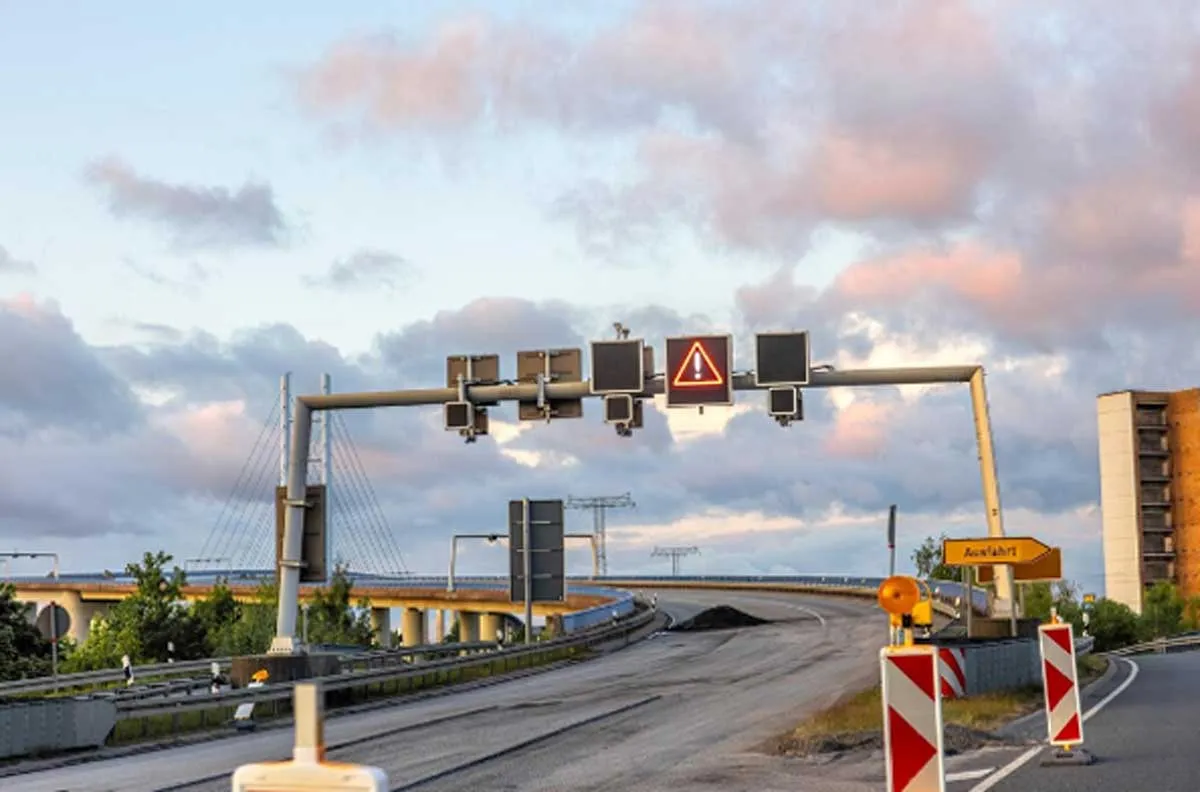
A section of the highway at Kharegaon has undergone an upgrade and is approaching completion, and authorities have indicated plans for a toll to be introduced once works finish. The project has focused on strengthening the carriageway, improving drainage and upgrading intersections to enhance safety and capacity. Officials have said the toll will be used to recover construction costs and fund ongoing maintenance. The upgrade included resurfacing of the pavement, widening of certain stretches and installation of modern signage and lighting to reduce accident risk. Contractors completed most ma..

Advertisement

Subscribe to Our Newsletter

Get daily newsletters around different themes from Construction world.

STAY CONNECTED

Advertisement

Advertisement

Advertisement