JNPT to Get Full Rail Link to WDFC by March 2026
RAILWAYS & METRO RAIL

JNPT to Get Full Rail Link to WDFC by March 2026

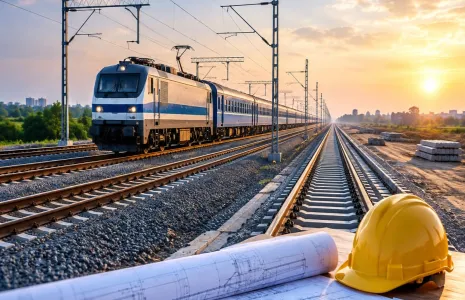
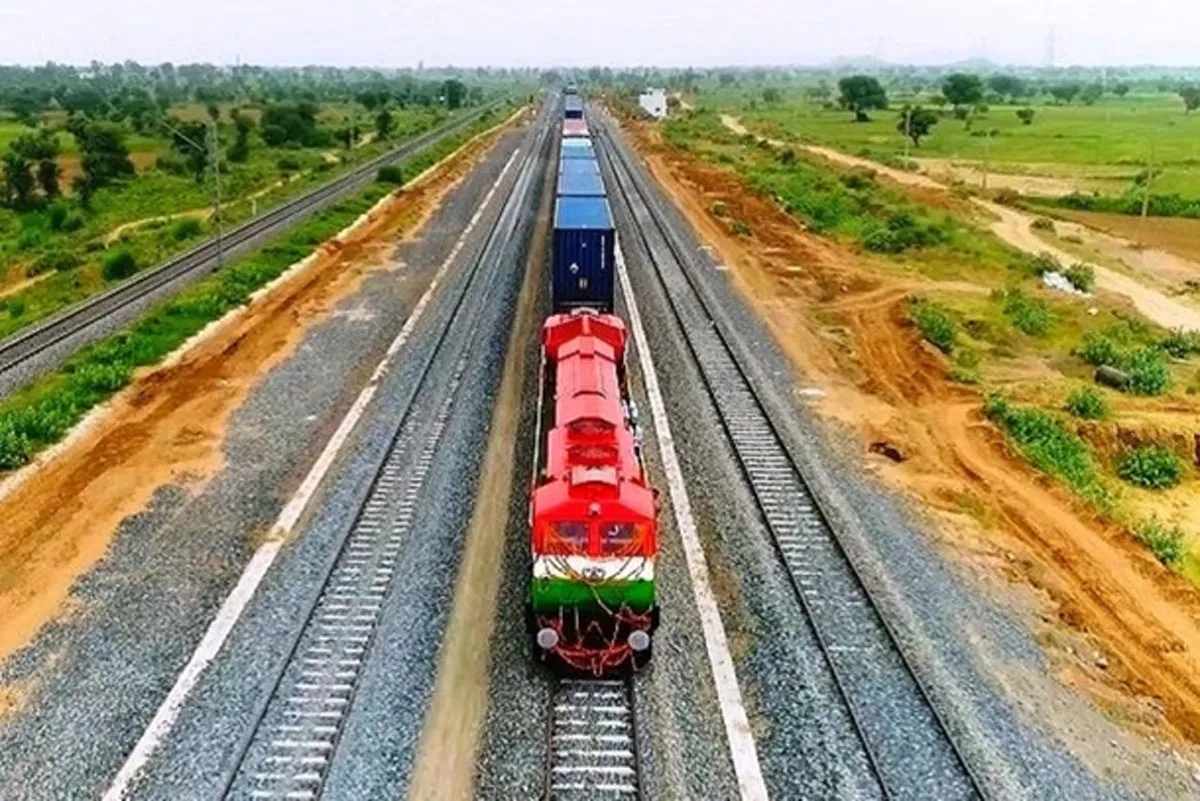
India’s largest container gateway, Jawaharlal Nehru Port Authority, is on track to achieve full rail connectivity to the Western Dedicated Freight Corridor (WDFC) by 31 March 2026, significantly strengthening cargo evacuation from the port.

The 1,506 km WDFC, stretching from JNPT to Dadri in Uttar Pradesh, has reached an advanced stage of execution, with overall physical progress of around 93 per cent. Officials said work on the final and most critical section between JNPT and Vaitarna is now in its closing phase.

A recent high-level coordination meeting between the Dedicated Freight Corridor Corporation of India Limited and the Jawaharlal Nehru Port Authority reviewed construction progress, signalling systems and associated infrastructure on the 102 km stretch. Successful electric locomotive trials on adjoining sections have further strengthened confidence in meeting the commissioning deadline within the current financial year.

Once fully operational, the corridor is expected to substantially enhance JNPT’s evacuation capacity, enabling the port to handle up to 100 freight trains a day, compared with the current average of about 27. This is expected to reduce reliance on road transport, ease congestion around Mumbai and deliver environmental benefits through lower emissions.

JNPT handles nearly 52 per cent of containerised cargo at India’s major ports, but railways currently account for only about 17–18 per cent of this volume. With the introduction of high-capacity and longer freight trains on the WDFC, rail’s share is projected to rise to 25–30 per cent.

At the national level, the Eastern Dedicated Freight Corridor has already been fully commissioned, while the Western corridor is expected to be completed during FY 2025–26. In parallel, detailed project reports have also been prepared for three additional freight corridors covering the East Coast, East–West and North–South routes.

India’s largest container gateway, Jawaharlal Nehru Port Authority, is on track to achieve full rail connectivity to the Western Dedicated Freight Corridor (WDFC) by 31 March 2026, significantly strengthening cargo evacuation from the port. The 1,506 km WDFC, stretching from JNPT to Dadri in Uttar Pradesh, has reached an advanced stage of execution, with overall physical progress of around 93 per cent. Officials said work on the final and most critical section between JNPT and Vaitarna is now in its closing phase. A recent high-level coordination meeting between the Dedicated Freight Corridor Corporation of India Limited and the Jawaharlal Nehru Port Authority reviewed construction progress, signalling systems and associated infrastructure on the 102 km stretch. Successful electric locomotive trials on adjoining sections have further strengthened confidence in meeting the commissioning deadline within the current financial year. Once fully operational, the corridor is expected to substantially enhance JNPT’s evacuation capacity, enabling the port to handle up to 100 freight trains a day, compared with the current average of about 27. This is expected to reduce reliance on road transport, ease congestion around Mumbai and deliver environmental benefits through lower emissions. JNPT handles nearly 52 per cent of containerised cargo at India’s major ports, but railways currently account for only about 17–18 per cent of this volume. With the introduction of high-capacity and longer freight trains on the WDFC, rail’s share is projected to rise to 25–30 per cent. At the national level, the Eastern Dedicated Freight Corridor has already been fully commissioned, while the Western corridor is expected to be completed during FY 2025–26. In parallel, detailed project reports have also been prepared for three additional freight corridors covering the East Coast, East–West and North–South routes.

Next Story
Infrastructure Transport

MMRDA advances 250 m on Orange Gate–Marine Drive tunnel

The Mumbai Metropolitan Region Development Authority (MMRDA) has completed 250 m of underground tunnelling for the Orange Gate–Marine Drive Urban Road Tunnel using India’s largest slurry shield tunnel boring machine (TBM) deployed for an urban road project.The project involves twin tunnels extending over 7 km beneath critical transport corridors, including Central Railway, Western Railway and Metro Line 3. The work requires high-precision engineering to navigate densely developed urban infrastructure.Once completed, the tunnel is expected to reduce travel time between Orange Gate and Marin..

Next Story
Infrastructure Urban

Hindustan Zinc Pays Rs 188.46 Billion in FY26

Hindustan Zinc contributed Rs 188.46 billion to the public exchequer in FY 2025-26, according to its 9th Tax Transparency Report. The contribution, equivalent to 46 per cent of the company’s revenue, included direct and indirect taxes, government royalties, dividends to the Government of India, withholding taxes and other statutory levies.The company’s five-year cumulative contribution to the exchequer stood at Rs 915.72 billion. In FY26, Hindustan Zinc reported revenue of Rs 408.44 billion, EBITDA of Rs 221.62 billion and profit after tax of Rs 138.32 billion. It also achieved its highest..

Next Story
Infrastructure Urban

World of Concrete India 2026 Opens in Mumbai

Informa Markets in India will host the 12th edition of World of Concrete India 2026 from 3–5 June 2026 at the Bombay Exhibition Centre, Mumbai. The specialised B2B exhibition will bring together manufacturers, suppliers, contractors, developers, architects, consultants, infrastructure companies, project leaders and government stakeholders.The event is expected to feature over 350 brands and more than 18,000 trade professionals. It will cover concrete and cement, dry mortar, precast technologies, formwork, construction chemicals, industrial and commercial flooring, scaffolding, safety solutio..

Advertisement

Subscribe to Our Newsletter

Get daily newsletters around different themes from Construction world.

STAY CONNECTED

Advertisement

Advertisement

Advertisement