Joka Metro Project to Drain, Then Restore Manohardas Tarag
RAILWAYS & METRO RAIL

Joka Metro Project to Drain, Then Restore Manohardas Tarag

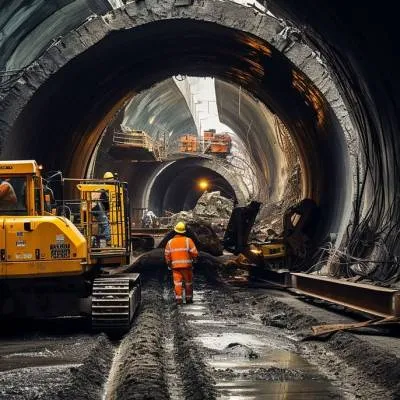
The Manohardas Tarag waterbody in Kolkata will be temporarily drained to facilitate the construction of the Joka Metro, according to recent announcements by the authorities. This measure is deemed necessary to advance the long-awaited metro project aimed at improving urban transportation in the city. The decision to drain the waterbody has sparked concerns among environmentalists and local residents, who worry about potential ecological impacts.

Officials have assured the public that the drainage is a temporary step and that the waterbody will be fully restored once the construction phase is complete. The restoration plan includes not only refilling the waterbody but also enhancing its ecological health and maintaining its role in the local environment. Measures will be taken to ensure minimal disruption to the aquatic ecosystem during the construction period.

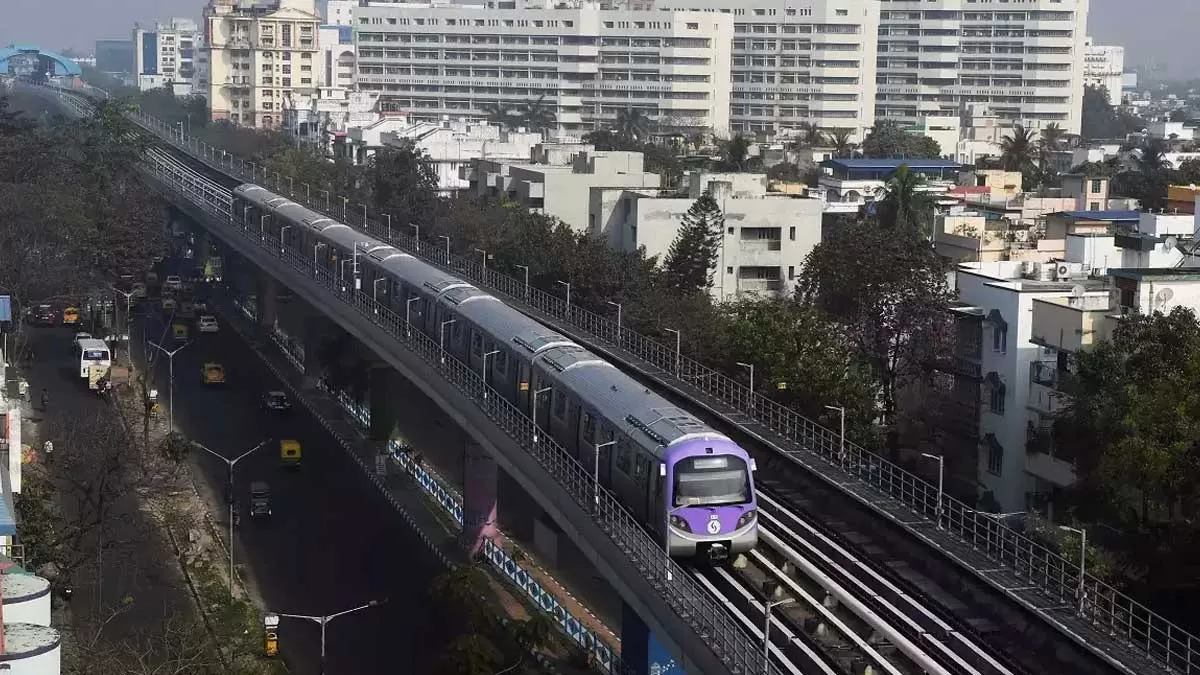
The Joka Metro project is a critical component of Kolkata's urban infrastructure development, intended to ease traffic congestion and provide efficient public transportation options. The project has faced several delays over the years, making this recent progress a significant milestone.

Local authorities have committed to working closely with environmental experts to monitor the impact of the drainage and ensure that restoration efforts meet ecological standards. Community engagement and transparency have been emphasised as key elements in managing the project's environmental footprint.

The temporary drainage of Manohardas Tarag is seen as a necessary compromise to advance the Joka Metro project, with strong commitments to restoring and potentially enhancing the waterbody post-construction. This approach aims to balance infrastructure development with environmental preservation, addressing both urban transportation needs and ecological concerns.

The Manohardas Tarag waterbody in Kolkata will be temporarily drained to facilitate the construction of the Joka Metro, according to recent announcements by the authorities. This measure is deemed necessary to advance the long-awaited metro project aimed at improving urban transportation in the city. The decision to drain the waterbody has sparked concerns among environmentalists and local residents, who worry about potential ecological impacts. Officials have assured the public that the drainage is a temporary step and that the waterbody will be fully restored once the construction phase is complete. The restoration plan includes not only refilling the waterbody but also enhancing its ecological health and maintaining its role in the local environment. Measures will be taken to ensure minimal disruption to the aquatic ecosystem during the construction period. The Joka Metro project is a critical component of Kolkata's urban infrastructure development, intended to ease traffic congestion and provide efficient public transportation options. The project has faced several delays over the years, making this recent progress a significant milestone. Local authorities have committed to working closely with environmental experts to monitor the impact of the drainage and ensure that restoration efforts meet ecological standards. Community engagement and transparency have been emphasised as key elements in managing the project's environmental footprint. The temporary drainage of Manohardas Tarag is seen as a necessary compromise to advance the Joka Metro project, with strong commitments to restoring and potentially enhancing the waterbody post-construction. This approach aims to balance infrastructure development with environmental preservation, addressing both urban transportation needs and ecological concerns.

Next Story
Equipment

Schwing Stetter India Unveils New Innovations at Excon 2025

Schwing Stetter India unveiled more than 20 new machines at Excon 2025, marking one of its most significant showcases and introducing several India-first technologies to the construction equipment sector. The company launched the country’s first 56-metre boom pump designed and manufactured in India, the first fully electric truck mixer, the first CNG mixer variant and the first hybrid boom pump. Executives said the launch portfolio was engineered to support India’s move toward faster, greener and more vertically oriented infrastructure through advanced engineering, clean-energy solutions a..

Next Story
Infrastructure Energy

SEPC Resolves Hindustan Copper Dispute, Wins Rs 725 Mn Order

Engineering, procurement and construction firm SEPC Ltd has recently settled a dispute with Hindustan Copper Ltd (HCL) and secured a mining infrastructure order valued at Rs 725 million from the state-owned company. SEPC informed the stock exchanges that it has executed a settlement deed with HCL, bringing closure to all inter-se claims and counterclaims arising from arbitration proceedings. As part of the settlement, SEPC will receive Rs 304.5 million as full and final payment, marking the resolution of all pending disputes between the two entities. The company also stated that Hindustan Co..

Next Story
Infrastructure Energy

20% Ethanol Blending Cuts India’s CO2 Emissions by 73.6 Mn Tonnes

Union Road Transport and Highways Minister Nitin Gadkari recently said that India has reduced carbon dioxide emissions by 73.6 million metric tonnes due to the adoption of 20 per cent ethanol blending in petrol. He made the statement while replying to supplementary questions during the Question Hour in the Lok Sabha. Describing ethanol as a green fuel, the minister said it plays a key role in reducing pollution while also supporting higher incomes for farmers. He underlined that ethanol blending contributes both to environmental sustainability and rural economic growth. Nitin Gadkari also po..

Advertisement

Subscribe to Our Newsletter

Get daily newsletters around different themes from Construction world.

STAY CONNECTED

Advertisement

Advertisement

Advertisement

Advertisement

Open In App